
Fujifilm FinePix S20 Pro
Review Date: 29th June 2004
|
Image Quality
All of the sample images in this Review were taken using the default 6M 2832 x 2128 mode, which gives an average image size of between 1.5Mb and 3Mb.
Noise
There are 4 ISO settings available on the Fujfilm FinePix S20 Pro which you can select at any time if the camera is in manual mode. Note that the file quality setting automatically defaults to 1M when ISO 1600 is selected; ISO 1600 isn't available at the higher quality settings. Here are some 100% crops which show the noise levels for each ISO setting:
ISO 200 (100% crop) |
ISO 400 (100% crop) |
 |
 |
ISO 800 (100% crop) |
ISO 1600 (100% crop) |
 |
 |
The noise levels look fine at ISO 200, with some noise starting to appear at ISO 400. ISO 800 exhibits some red and blue artifacts.
Sharpening
Here are two 100% crops which have been Saved as Web - Quality 40 in Photoshop. The right-hand image has had some sharpening applied in Photoshop. As you can see, the out-of-the camera images at the default setting of "Normal" are on the soft side and will benefit from some sharpening during post-processing.
Original 100% Crop |
Sharpened 100% Crop |
 |
 |
 |
 |
File Quality
The Fujfilm FinePix S20 Pro has 4 different JPEG quality settings. Here are some 100% crops which show the various file quality settings.
2,832 x 2,128 |
2,048 x 1,536 |
 |
 |
1,600 x 1,200 |
1,280 x 960 |
 |
 |
Chromatic Aberrations
The Fujfilm FinePix S20 Pro did not handle chromatic aberrations too well during the review period, with heavy purple fringing appearing in both high-contrast and not so high contrast situations. In the first example shown below the sun was positioned well outside the frame to the left of the subject. There seems to be two kinds of fringing - green on the left of the chimney pot and purple on the right. In the second example the sun was just outside the top of the frame and I would expect some purple fringing to be apparent - even so, there was more than I would have liked to see.
 |
 |
Fuji's 4th Generation SuperCCD SR vs Other Digital Cameras
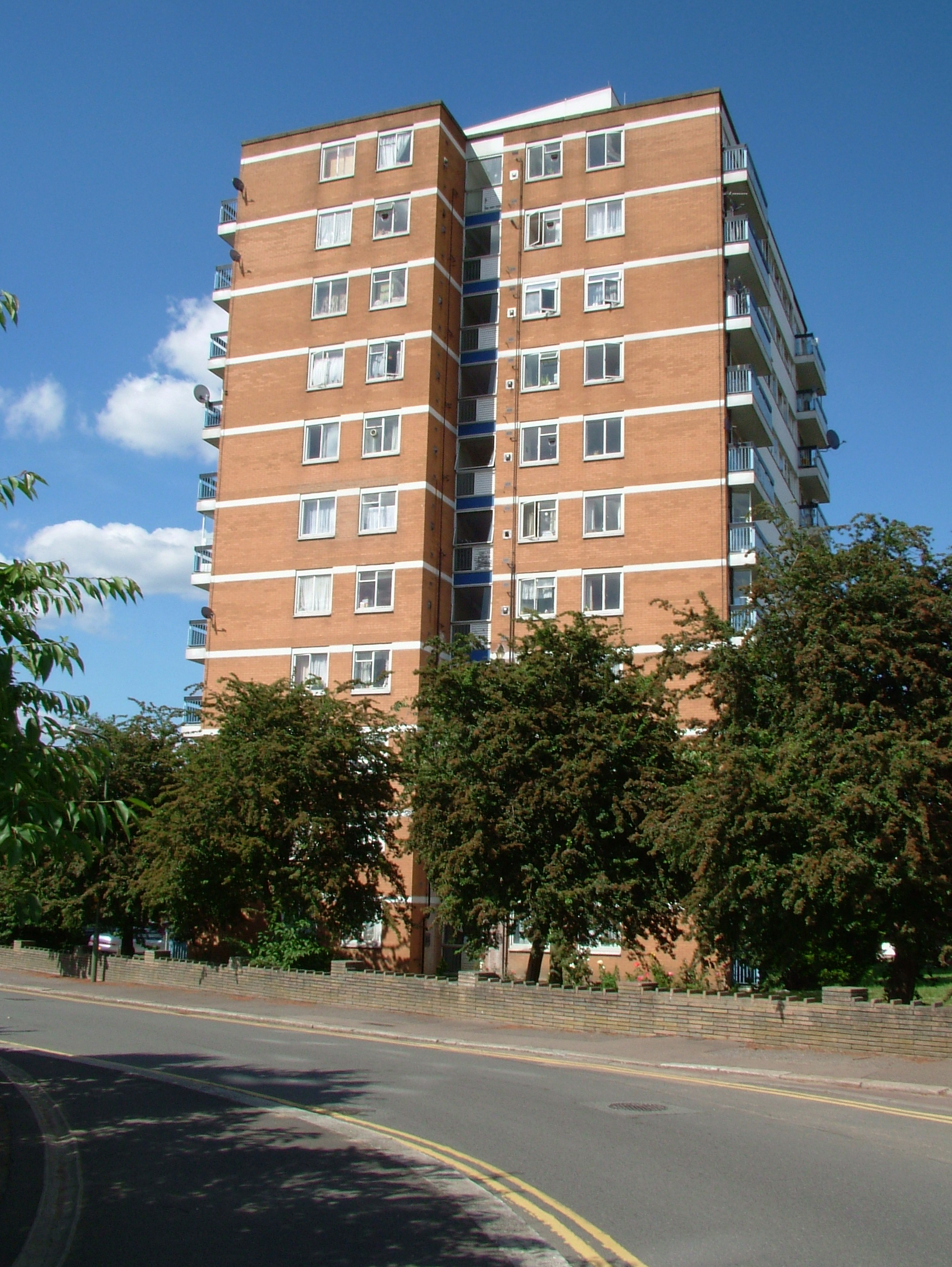
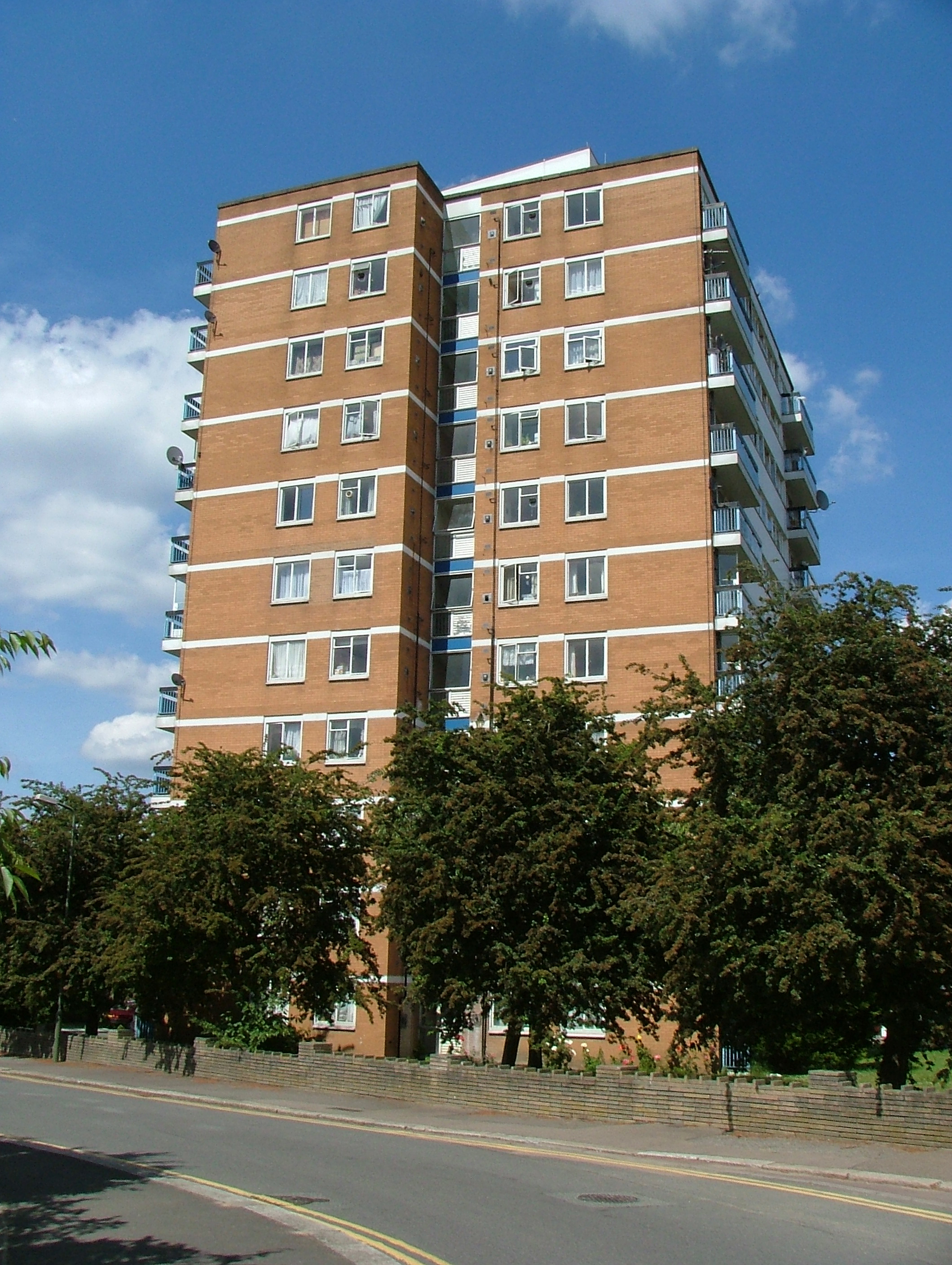
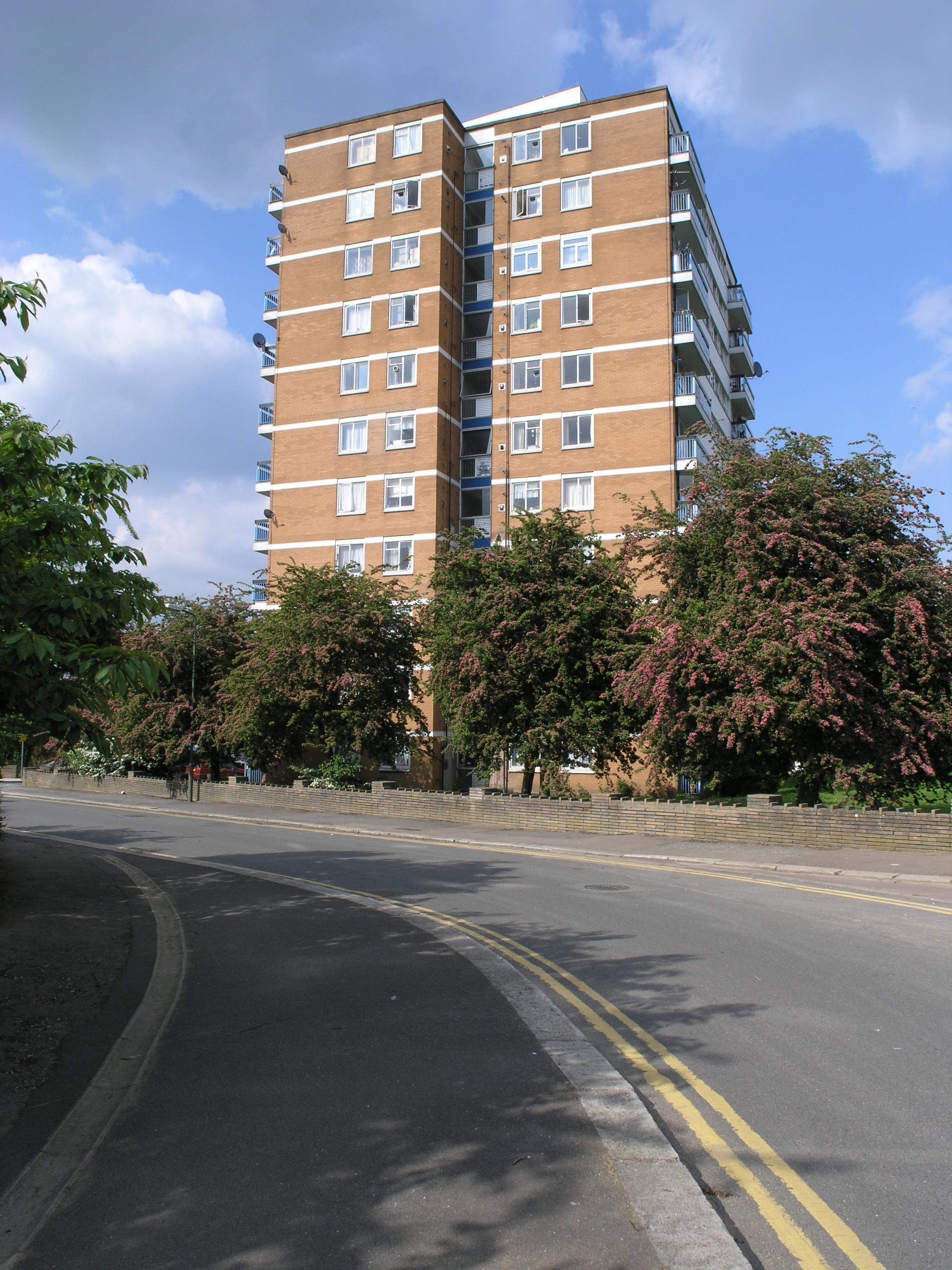
The Fujfilm FinePix S20 Pro features Fuji's new 4th Generation SuperCCD SR, which Fuji claims "an innovative, state of the art digital sensor, which vastly improves tonal depth and overall picture quality". I had the Fujfilm FinePix S20 Pro and the FinePix S5000 together at the time of this review. Here is the same subject taken with several different digital cameras (click on them to open the original file):
Fuji S20 Pro |
Fuji S5000 |
Olympus C-8080 |
Olympus 410 Digital |
 |
 |
 |
 |
 |
 |
 |
 |
Looking at all of these sample images, I'm not convinced that I could pick out the Fuji S20 Pro images as the ones with the greatest dynamic range, especially not the four-fold increase when compared to other digital cameras that Fuji claims. I guess it's impossible to make any definite conclusions without taking exactly the same shot with the same in-camera settings at the same time with a variety of different cameras, but how many photographers have that luxury?! Fuji claims that "enthusiasts and more casual users will easily be able to spot the difference between the images produced by this model and photos from conventional digital cameras" - I'm not so sure that they could.
Overall Image Quality
The Fujfilm FinePix S20 Pro's new Super CCD HR sensor has delivered a slightly disappointing set of images. The bright sunny conditions of the review period have ensured that the sample photos have great colour, with deep blues in the sky. Unfortunately the same bright conditions have caused chromatic aberrations to appear, both where you would normally expect them and where you wouldn't. The 6M 2832 x 2128 pixel images can be printed up to A3 in size, although you will need to sharpen them first in Photoshop or set the sharpness option in-camera to "Hard". Noise is well controlled at the slowest ISO setting of 200, but starts to appear at ISO 400 and is very visible at ISO 800. I'm still not convinced about the 4th Generation CCD SR sensor, which doesn't seem to offer any great advantages over other digital cameras in terms of dynamic range. So overall only an average performance from the Fujfilm FinePix S20 Pro.
|