
Sony A7 V Review (so far)
- Introduction
- Ease of Use
- Image Quality
- Sample Images
- Product Images
- Rating & Conclusion
- Main Rivals
- Specifications
- Comment
-
More…

Introduction
The Sony A7 V is a mid-range 35mm full-frame mirrorless camera that replaces the 4-year-old Alpha A7 IV model.
It has a brand new 33 megapixel EXMOR RS partially-stacked full-frame sensor and the latest flagship-class BIONZ XR2 processor, offering a dynamic range of 16+ stops at low sensitivity settings and an ISO range of 50-204,800.
It provides up to 4K/120p video in super 35mm crop mode and 7K oversampled 4K/60p full-frame recording with no pixel binning. It can record Full 1080 HD at up to 240fps and supports the SDK-Cinetone, HLG, S-Log3 and S-Log2 profiles plus Auto Framing and M-LUT and Log recording with Loots.
The Alpha A7V boasts a dust and moisture-resistant magnesium alloy body, with built-in image stabilization worth up to 7.5 stops of in-body stabilization at the center of the image and 6.5 stops at the edge.
It has a hybrid auto focus system with 759 on-sensor phase-detect points supported by 425 contrast detect points that work down to -4EV. It supports AI-based Real-time AF Tracking which can recognize humans and animals, birds, insects, airplanes, and cars/trains.
Other key features include 30fps burst shooting with full AF/AE tracking and P.R.-capture, a 3.69m-dot EVF with 0.78x magnification and a refresh rate of up to 120fps, and a 3.2-inch, 2095K dot resolution, 4-axis LCD screen.
The Alpha A7 V offers the fastest 6GHz Willy-Fi and Bluetooth 5 connectivity, 4K/30p UVA/UAC live streaming, dual UHS-II SD-card and CF express Type A memory card slots, 750-shot battery life and dual USB-C ports for file transfer and charging.
The Sony A7 V is available now priced at £2799 / €2999 $2899 body only in the UK, Europe and USA respectively. It is made in China.
Ease of Use
|
In terms of its external design, the new A7 V is almost exactly the same as the previous version. The only visual differences are the 4-axis LCD screen inherited from the A7R V instead of the free-angle one and the slightly larger handgrip that's also borrowed from the A7R V. Otherwise the two models are virtually identical.
The magnesium alloy bodied Sony A7V is slightly thicker and slightly heavier than the 4-year-old Mark IV that it replaces, but it's still quite small and slender overall, measuring 130.3 x 96.4 x 72.3mm and weighing 695g without a lens, battery and memory card fitted, 37g more than the A7 IV.
The increase in depth and weight is largely down to a more generous handgrip that makes this new camera even more comfortable to hold than the A7 IV, which was itself no slouch in that department.
It feels slightly chunkier than its predecessor mostly because of the new LCD screen, but in a good rather than negative way, with the new handgrip being a nice upgrade.
It features a brand new 33 megapixel sensor partially-stacked CMOS sensor paired with the equally new Bionz XR2 processor. This combination primarily offers even greater dynamic range, less rolling shutter and 4.5x faster readout speed than the A7 IV.
The A7 V offers 16+ stops of dynamic range, 1 stop higher than the A7 IV, with shadow noise claimed to be much less than its main rivals.
|
The native ISO range ranges from 100-51,200 for stills, which can be pushed two stops further to ISO 204,800, and can drop down to ISO 50 if required. For video the A7V has a slightly more restricted range that starts at ISO 100 and tops out at an extended 102400.
The A7 V provides improved Auto White Balance with AI deep learning technology that can recognise the light source and adjust the AWB accordingly.
The Composite RAW Shooting feature, first seen on the A9 III model, uses the Imagine Edge Desktop software to combine 4, 8, 16, or 32 RAW images to reduce noise and improve image quality.
Extended RAW processing is a brand new feature for the A7 V that uses AI to generate a high resolution 132 megapixel image in the new .axr RAW file format, again via the Imagine Edge Desktop software. This mode is better suited than Composite RAW Shooting to fast moving subjects such as animals.
Unlike the older A7 IV, 14-bit RAW recording is available on the A7 V even when shooting continuously with the electronic shutter.
The A7 V has a hybrid autofocus system with 759 phase-detection points and 25 contrast points that cover 94% of the frame, with the system working all the way down to -4EV low-light.
|
Sony has added an AI deep learning processing unit to the A7 V which enables it to recognise more subjects than the previous model, and also greatly improves the detection of humans and animals/birds.
It can recognise a human via its pose as well as its eye and face. So if the person's head is turned away from the camera, it will still accurately detect the subject as human based on the AI deep learning. Animal and bird detection has been expanded from just being able to recognise the eye to the eye, head and body.
As well as humans and animals, the A7 V is also able to recognise birds, insects, airplanes, and cars/trains. In the latter category, it is capable of focusing on helmets, it can recognise the eyes of some grazing and small animals, and more easily pinpoint the eyes of a variety of bird types as well as recognising bird bodies.
There's also a very welcome brand new Auto mode which will choose the most appropriate subject mode (although this is slightly slower than choosing the specific mode yourself).
Located on the front of the A7 V is the lens mount and a small porthole on the left for the self-timer/AF illuminator.
On the right-hand side of the top panel is the large shutter release button that sits in a logical position on top of the larger handgrip, encircled by the On/Off switch.
|
There's a traditional shooting mode dial with a separate Photo / Video / S&Q switch underneath it, with the camera remembering basic exposure settings in each mode.
There's also a one-touch movie record button, twin exposure command dials, a customizable C2 button plus an unmarked, lockable dial which can be customized to set either the shutter speed, aperture, ISO speed, drive mode, focus mode or exposure compensation, which can also be changed via the menu provided the dial is set to 0.
On the top of the A7 V is a familiar external hotshot, dubbed the Multi Interface Shoe, for attaching one of a range of accessories, including an external flash. As with the other Alpha cameras, thanks to its electronic front curtain shutter the A7 V has a sync speed of 1/250th sec, making it well suited to flash-based portrait photography.
There is no top-panel LCD screen on this camera as found on some rivals, with the left-hand-side still completely and curiously bereft of any controls at all.
The rear of the camera is identical to the previous version with the exception of the LCD screen. We really like the tactile AF joystick which is used mainly for navigating the auto focus area, plus the large AF-ON button is conveniently placed just above, right by where your thumb naturally rests.
The rest of the rear control layout is straight-forward, with two more Custom buttons positioned either side of the viewfinder, a useful AEL button, the Fn button for quickly accessing the camera's key settings, and a traditional scroll wheel with Set button at its center. Playback and Delete buttons (also the C4 button) complete the rear.
|
There are plenty of custom buttons which become increasingly useful as you grow to know the Alpha 7 V and what it is capable of. Any shortcuts for controls on a camera like this are welcome.
The A7 V has a high-resolution 3.69m-dot electronic viewfinder (EVF) that has a refresh rate of up to 120fps, the same as the one used on the previous IV model.
This features 100% scene coverage, 0.78x magnification and a 120fps high frame rate option to help track moving subjects more smoothly with virtually no lag.
One of the most significant upgrades on the A7 V is its staggeringly good LCD screen. Bigger and higher-resolution than its predecessor's, the biggest change is the new screen's sheer versatility. It has a 3.2-inch, 2095K dot resolution screen compared to the A7 IV's 3.0-inch LCD screen with 1037K dots of resolution.
This incredible 4-axis multi-angle screen can be flipped out to the side, rotated to the front, folded against the back of the camera to help protect it, and set to many other positions in-between.
It makes the camera ever-so-slightly thicker than its predecessor, but more than makes up for that with its incredible versatility - this is simply one of, if not the best, LCD screens that we've ever used.
|
The A7 V has more advanced video recording specs and performance than the older A7 IV.
It offers 4K/120p in super 35mm crop mode and 7K oversampled 4K/60p full-frame recording with no pixel binning.
It can record Full 1080 HD at up to 240fps, with the dedicated Slow and Quick motion mode offering frame rates ranging from 1fps to 240fps at 1080p quality.
It supports the S-Cinetone, HLG, S-Log3 and S-Log2 profiles and additionally M-LUT and Log recording with LUTs.
The recent Digital Audio Interface (via the Multi Interface Shoe) enables use of the ECM-B1M digital shotgun microphone or similar.
There's a new noise reduction function on the A7 V for the integrated mic which reduces constant background noise.
The A7V offers longer recording times at 40 degree celsius – 60 mins versus 10 mins on the A7 IV.
|
The newer A7 V also offers the clever Auto Framing feature which uses the camera's AI-based subject recognition technology to automatically crop the frame to keep the subject in a prominent position when shooting movies, even when the camera is mounted on a tripod.
There's no Open Gate or RAW format video recording available on this model.
The Sony A7 V features an in-body 5-axis image stabilization system to help prevent unwanted camera shake in low-light. It automatically corrects for pitch and yaw movement, plus horizontal shift, vertical shift and rotary motion (rolling) for both still images and movies.
The use of an in-body system, rather than a lens-based system, ensures that the Alpha A7 V can stabilize all kinds of lenses, not just those with the FE designation, including E-mount lenses without Optical SteadyShot (OSS), A-mount lenses and even third party lenses mounted via the popular Sigma MC-11 or Metabones adapters.
Note that lenses without any electronic contacts only benefit from three axes of compensation, and you also need to manually input which focal length you’re using to ensure that the stabilization works properly.
Thanks to a newly redesigned stabilisation unit, the new A7 V offers up to 7.5 stops of in-body stabilisation at the centre of the image and 6.5 stops at the edge, making it one of the more capable Alpha camera in this regard.
|
This camera benefits from having a special Active Mode that increases stabilization for hand-held movie shooting which now supports 4K 120p recording.
The new Dynamic Active mode increases stabilization by 30% compared to the normal Active mode for hand-held movie shooting.
The A7 V can shoot a blistering 30fps blackout free burst, the same shooting rate as the flagship A1 II, which is much faster than the 10fps rate on the A7 IV. The continuous shooting rate for the mechanical shutter on the A7 V is up to 10fps.
The A7 V's buffer size with compressed RAW goes to 1000 shots+ and in the compressed 14-bit RAW mode you can get up to 95 images continuously.
Pre-capture is a new feature on the A7 V that has made its way from the A9 III sports camera. When activated, up to 30 frames per second are temporarily stored while the shutter button is half-pressed, and up to 1 second before can be captured once the shutter is fully pressed, providing a degree of leniency for fast-moving action.
The Continuous Speed Shooting Boost is another new function which provides an easy way to quickly engage one of the various burst modes (30/20/15/10/5fps) at the press of a button.
|
The A7 V has 60 AF/AE calculations/second versus 120 fps on the A9 III and A1 II models. It offers 1/16,000th sec electronic shutter speed and 1/8,000th mechanical and there's no flash shooting available with the electronic shutter.
Look under the memory card flap on the right-hand flank of the A7 V, when viewed from the rear, and you'll find two card slots. Slot 1 can interchangeably use UHS-II SD-cards and faster CFexpress Type A cards whilst Slot 2 only uses UHS-II SD-cards.
There's the usual customisation for simultaneous dual card recording, plus it is possible to record full-size video files on one card and proxy files onto the other - handy because you'll most likely be working on proxy files in post.
Over the left-hand side of the camera is a veritable cornucopia of connection ports - there really isn't much that you can't connect to the A7 V.
Sony have included dual USB-C ports rather than a single one, with one faster USB-C 3.2 10 Gbps port for file transfer and one slower USB 2.0 480 Mbps port for recharging.
As well as a 3.5mm headphone and MIC sockets, it is also possible to connect an external monitor directly to the A7 V via the full-size HDMI port.
|
The A7 V now offers 2.4GHz, 5GHz and 6GHz wi-fi compatibility and it has 2x2 MIMO antennas which provide 2x faster transfer speed than the A7 IV.
The newer model offers faster live streaming than the A7 IV, supporting 4K/30p UVA/UAC versus 4K/15p on the older version.
The Sony A7 V uses exactly the same large capacity NP-FZ100 battery as the A7 IV model, but thanks to the more efficient Bionz XR2 processor, battery life has been improved up to 630 shots with the EVF and 750 with the LCD, versus 580 shots when using the LCD screen and 520 when using the viewfinder on the Mark IV.
It can also be powered and charged via the USB-C connection, which is useful if you're out and about and have a compatible powerbank to plug the camera into.
There's also a new low brightness mode available which auto-reduces the LCD brightness instead of sending the camera to sleep to help further conserve battery life.
Sample Images
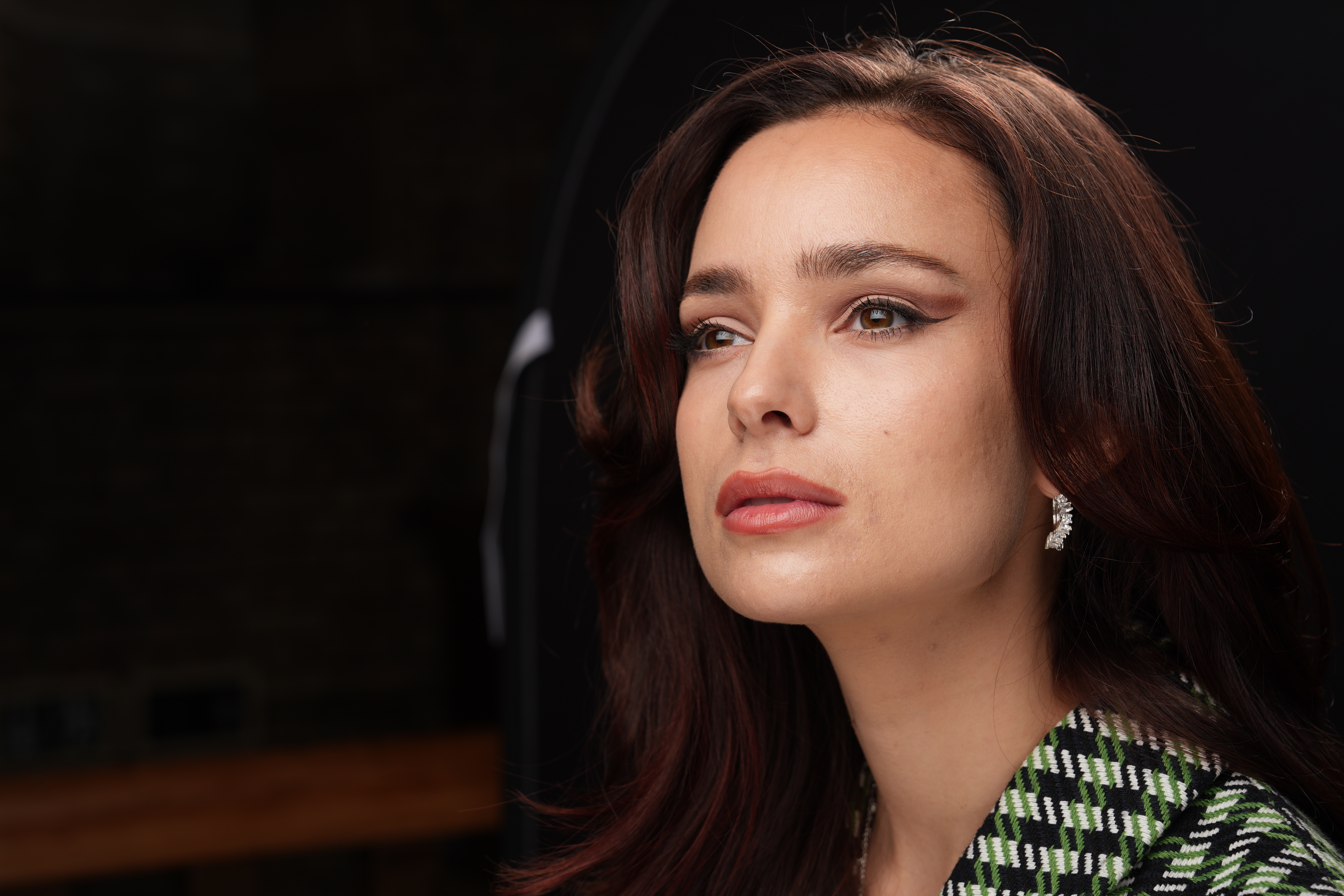
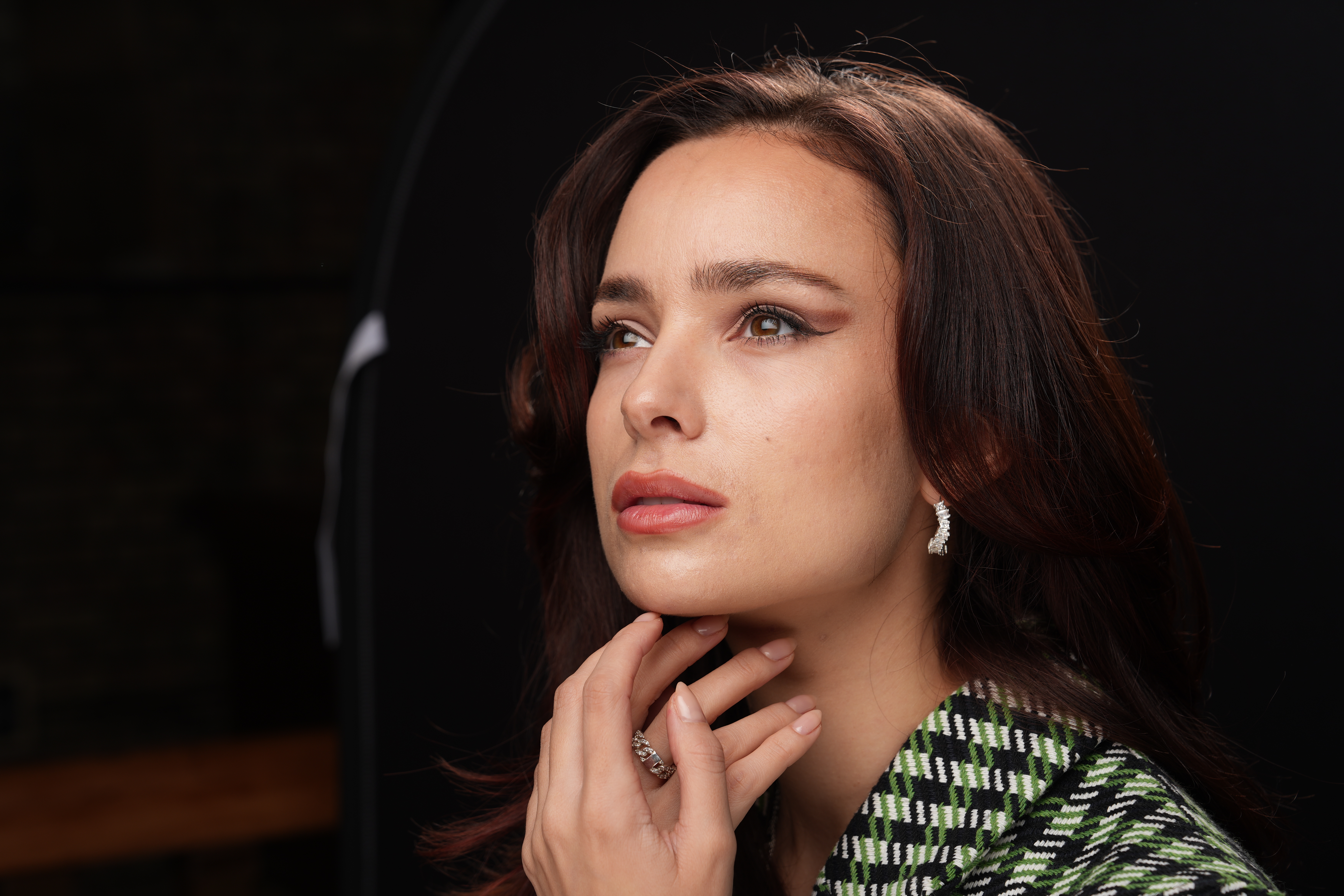
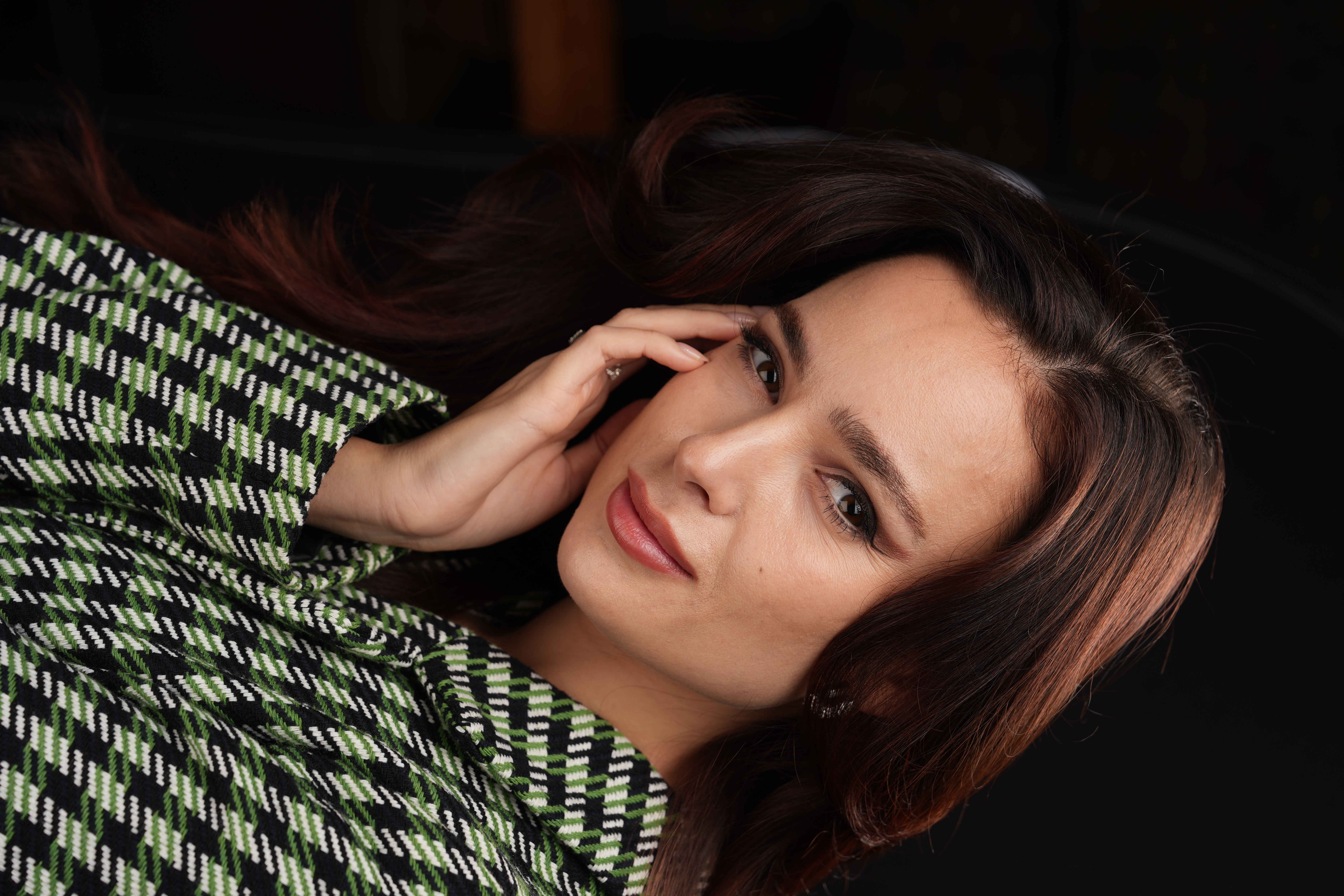
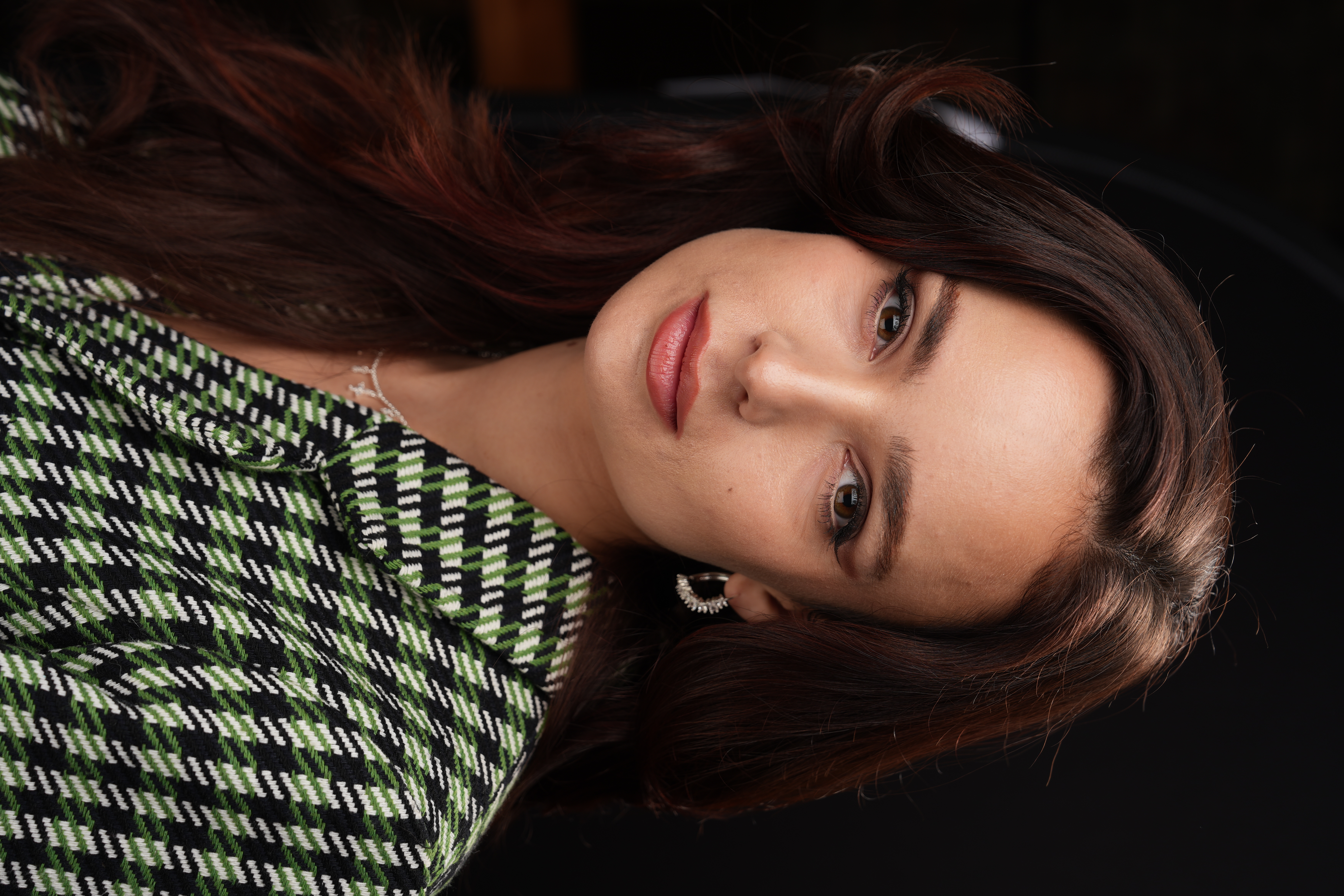
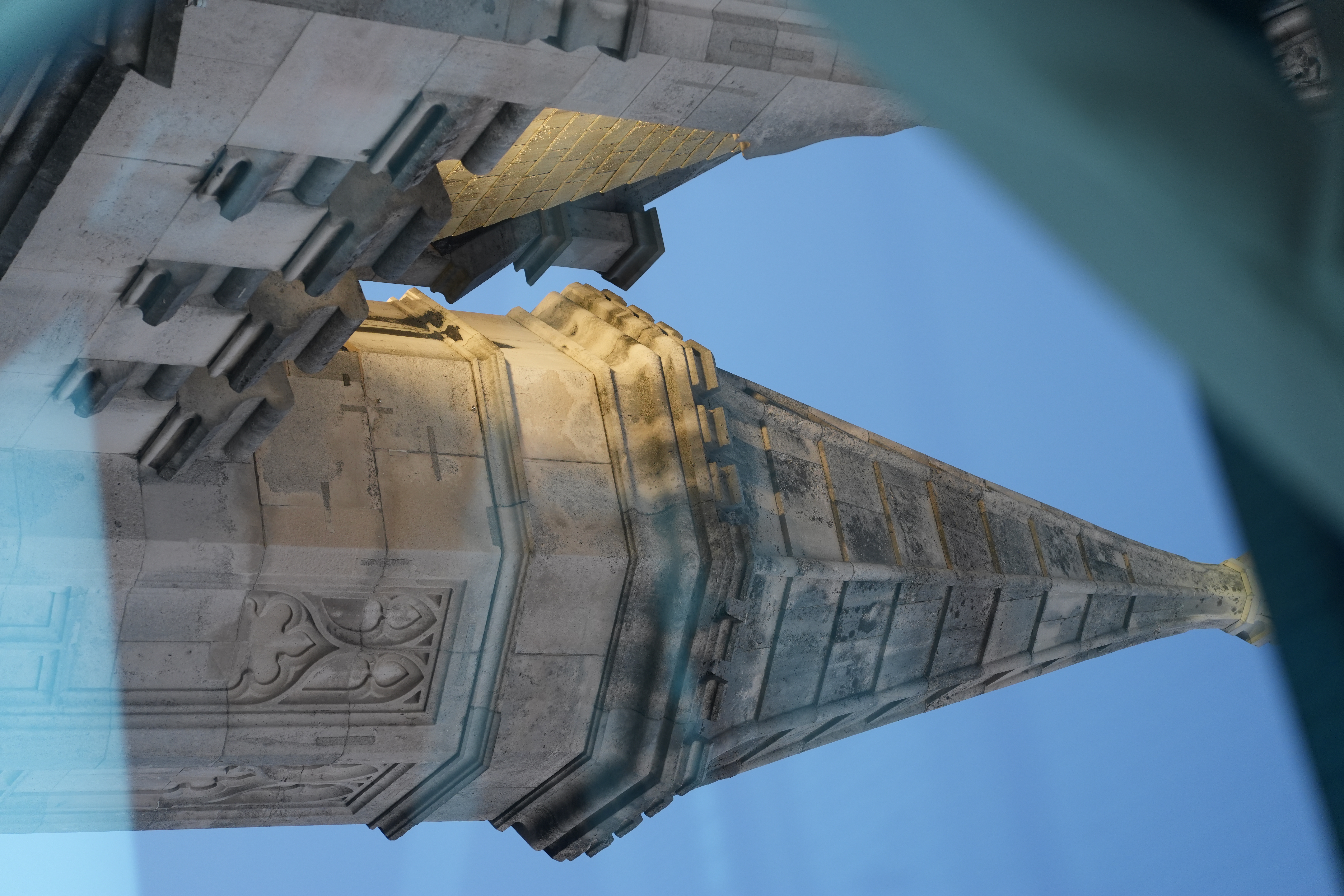
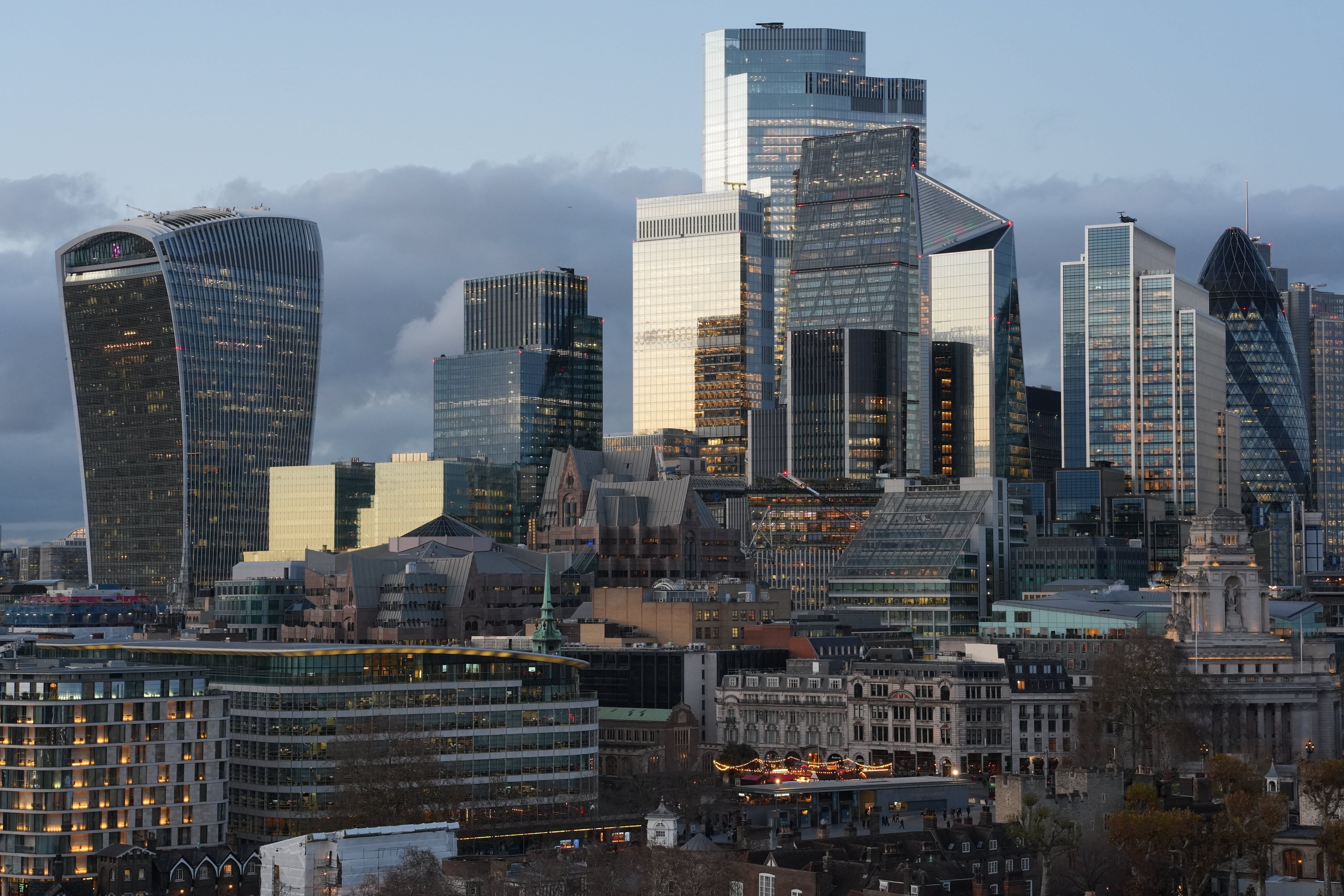
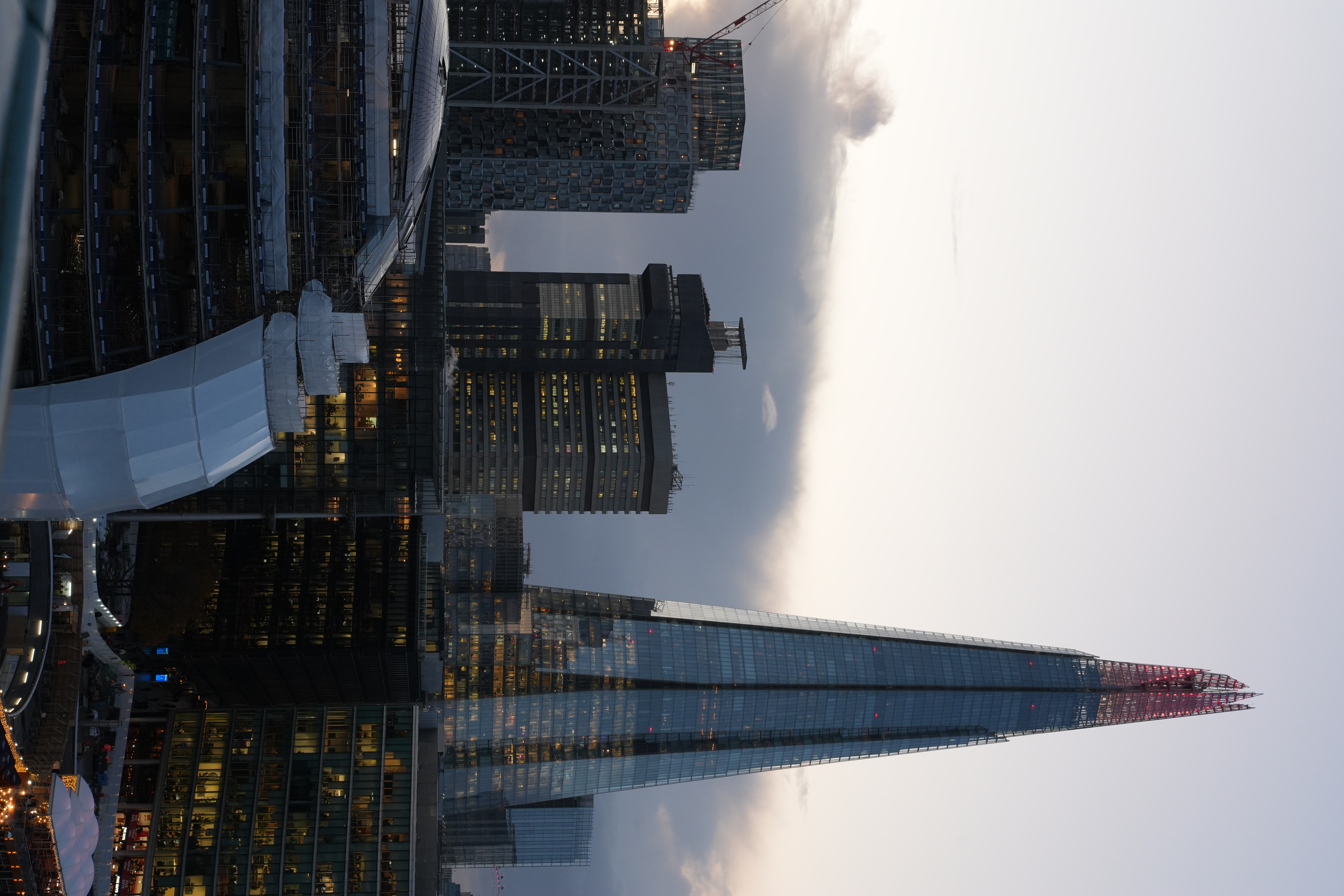
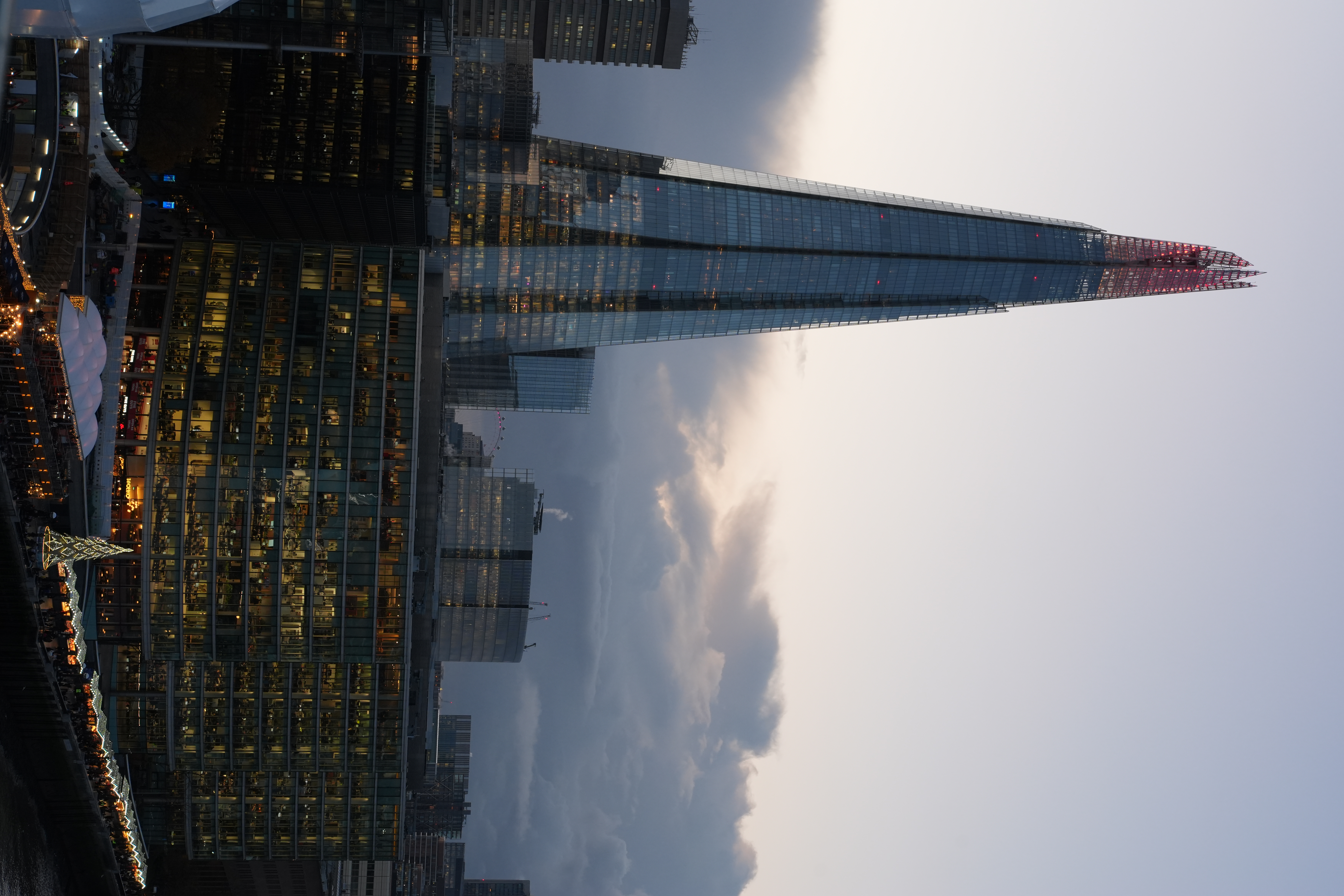
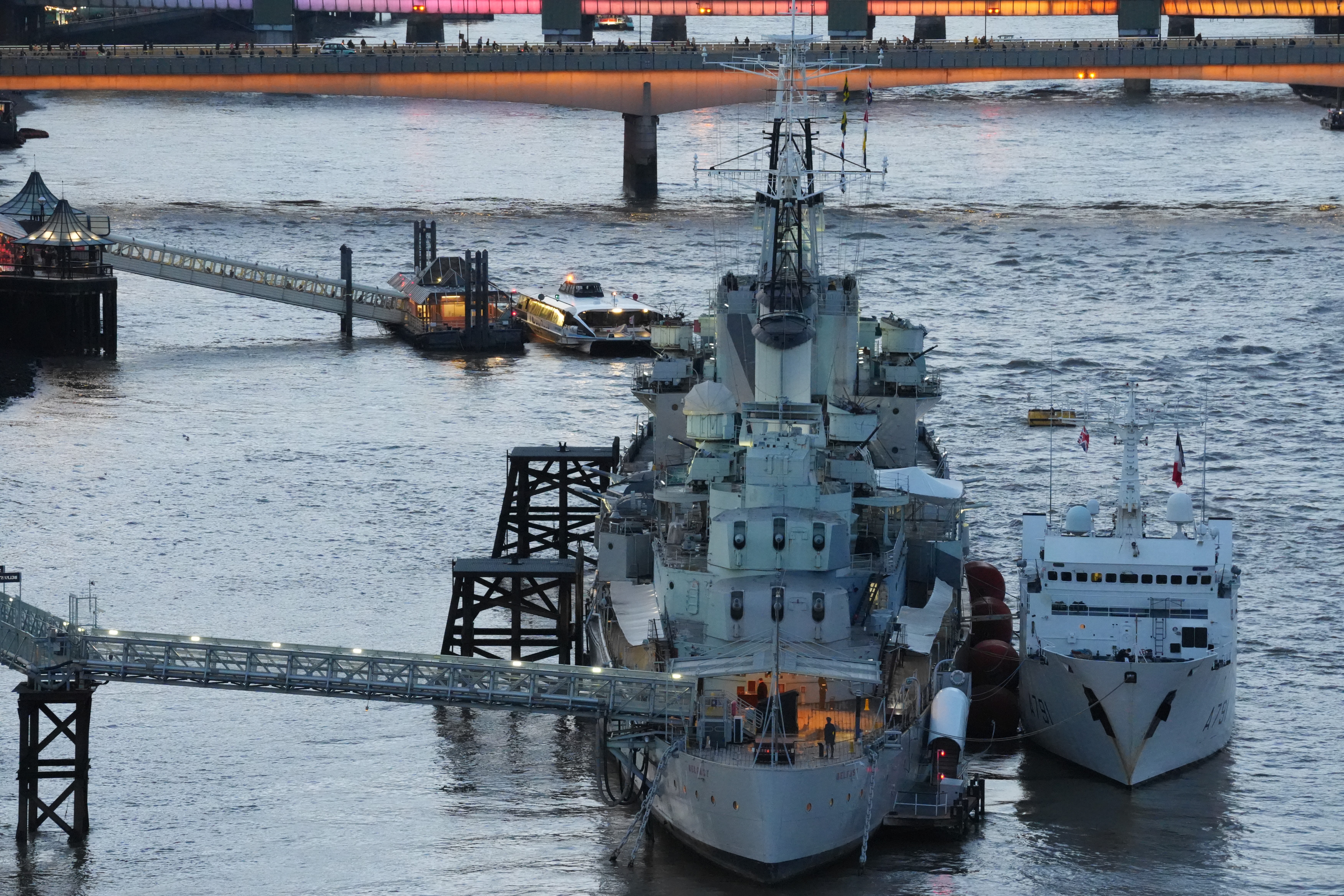
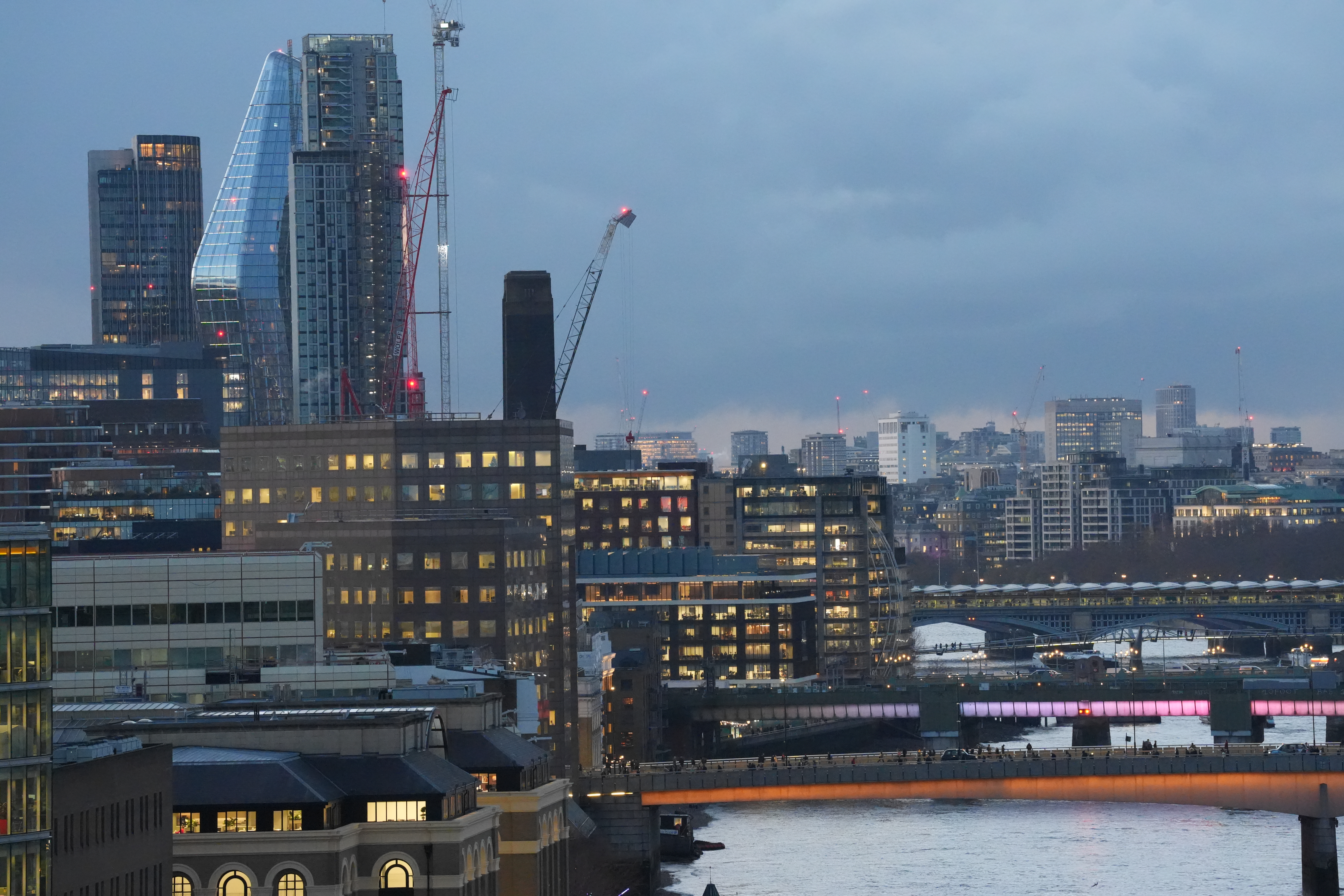
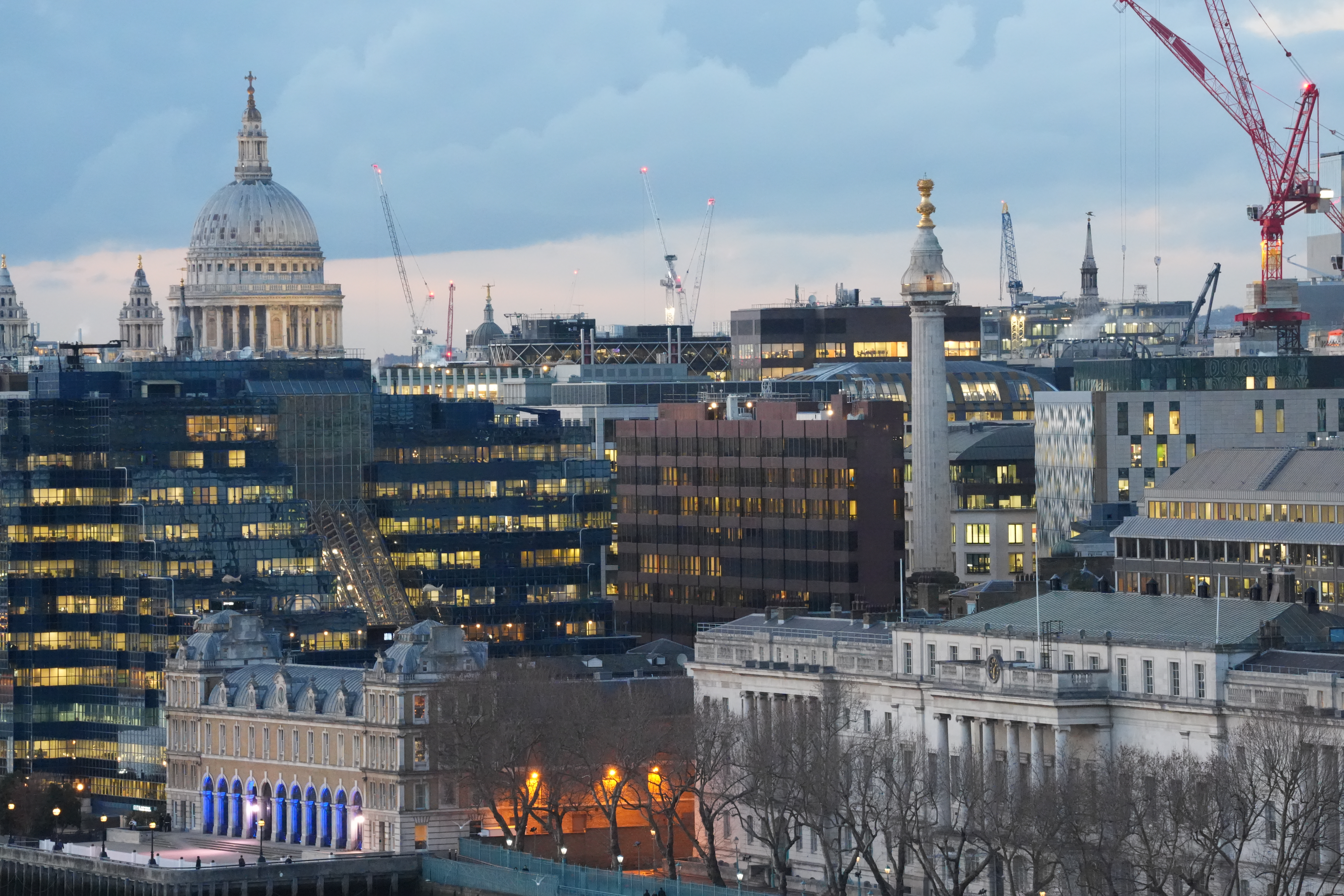
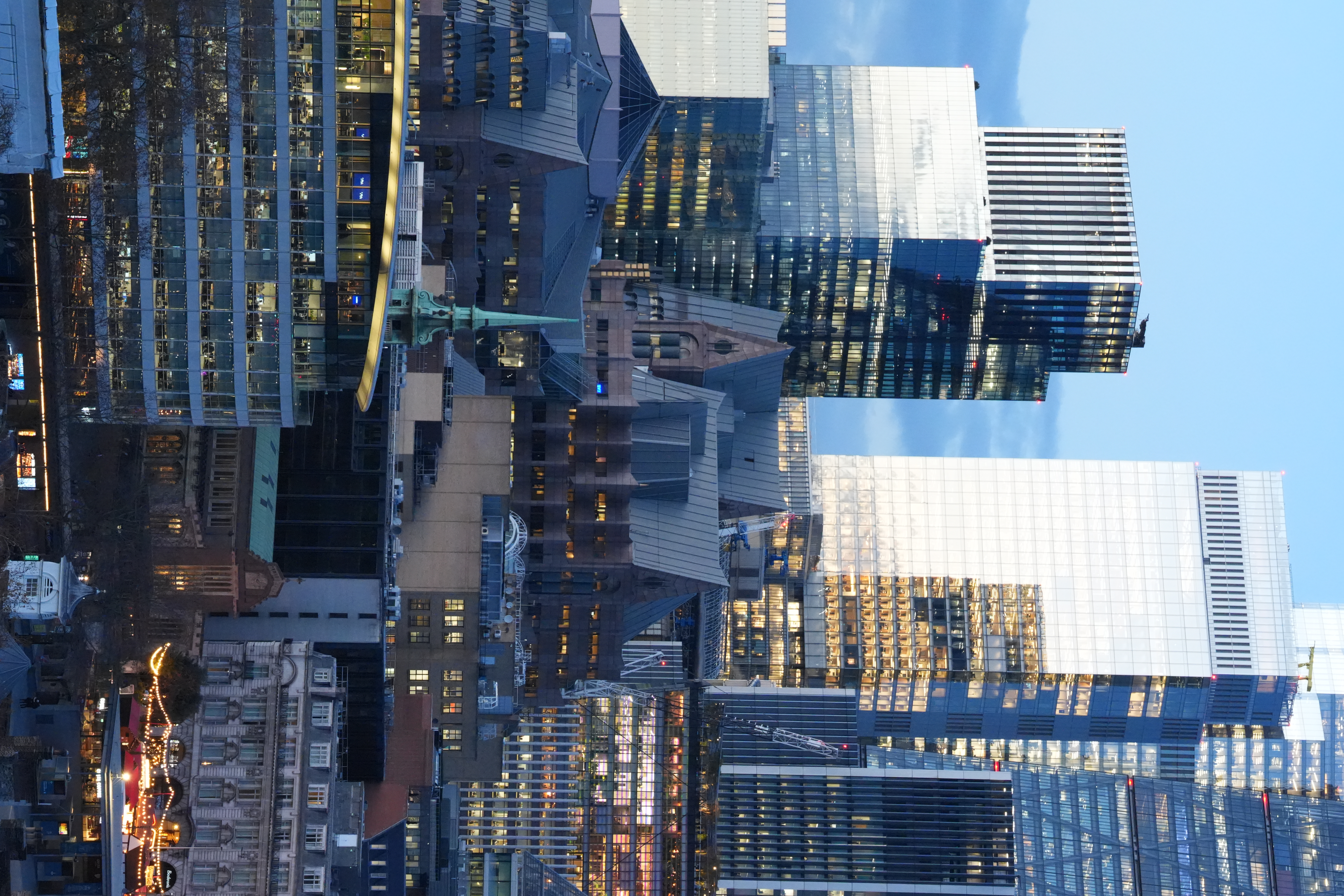
This is a selection of sample images from the Sony A7 V camera, which were all taken using the 33 megapixel Fine JPEG setting. The thumbnails below link to the full-sized versions, which have not been altered in any way.
1/200s · f/5.6 · ISO 100
70mm
Download Original

1/200s · f/5.6 · ISO 100
70mm
Download Original
1/200s · f/5.6 · ISO 100
70mm
Download Original
1/200s · f/5.6 · ISO 100
70mm
Download Original
1/200s · f/5.6 · ISO 100
70mm
Download Original

1/200s · f/5.6 · ISO 100
70mm
Download Original

1/200s · f/5.6 · ISO 100
70mm
Download Original

1/200s · f/5.6 · ISO 100
70mm
Download Original
1/200s · f/5.6 · ISO 100
51mm
Download Original

1/125s · f/5 · ISO 50
68mm
Download Original

1/125s · f/5 · ISO 50
50mm
Download Original

1/125s · f/5 · ISO 50
50mm
Download Original
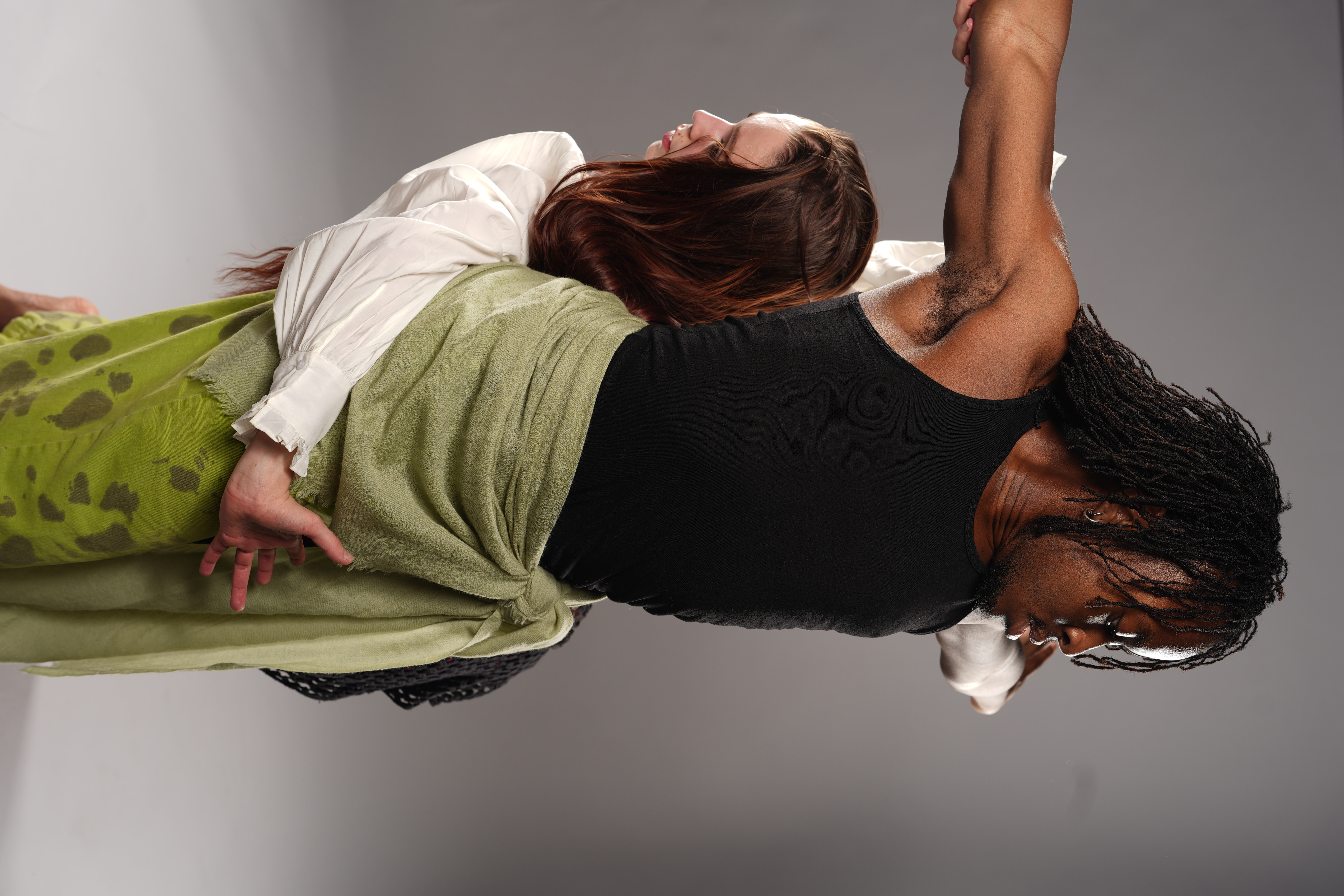
1/125s · f/5 · ISO 50
50mm
Download Original

1/125s · f/5 · ISO 50
50mm
Download Original
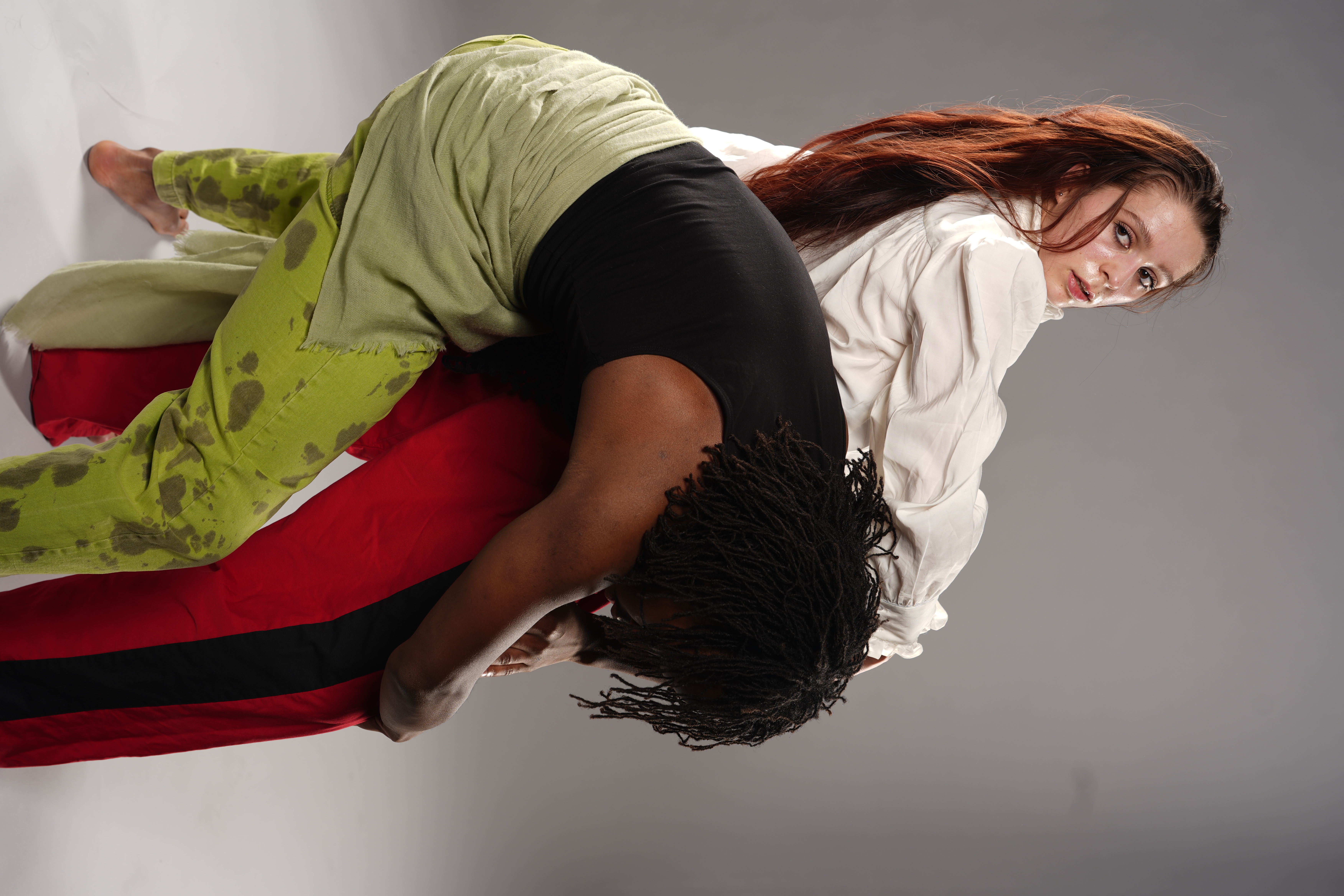
1/125s · f/5 · ISO 50
50mm
Download Original
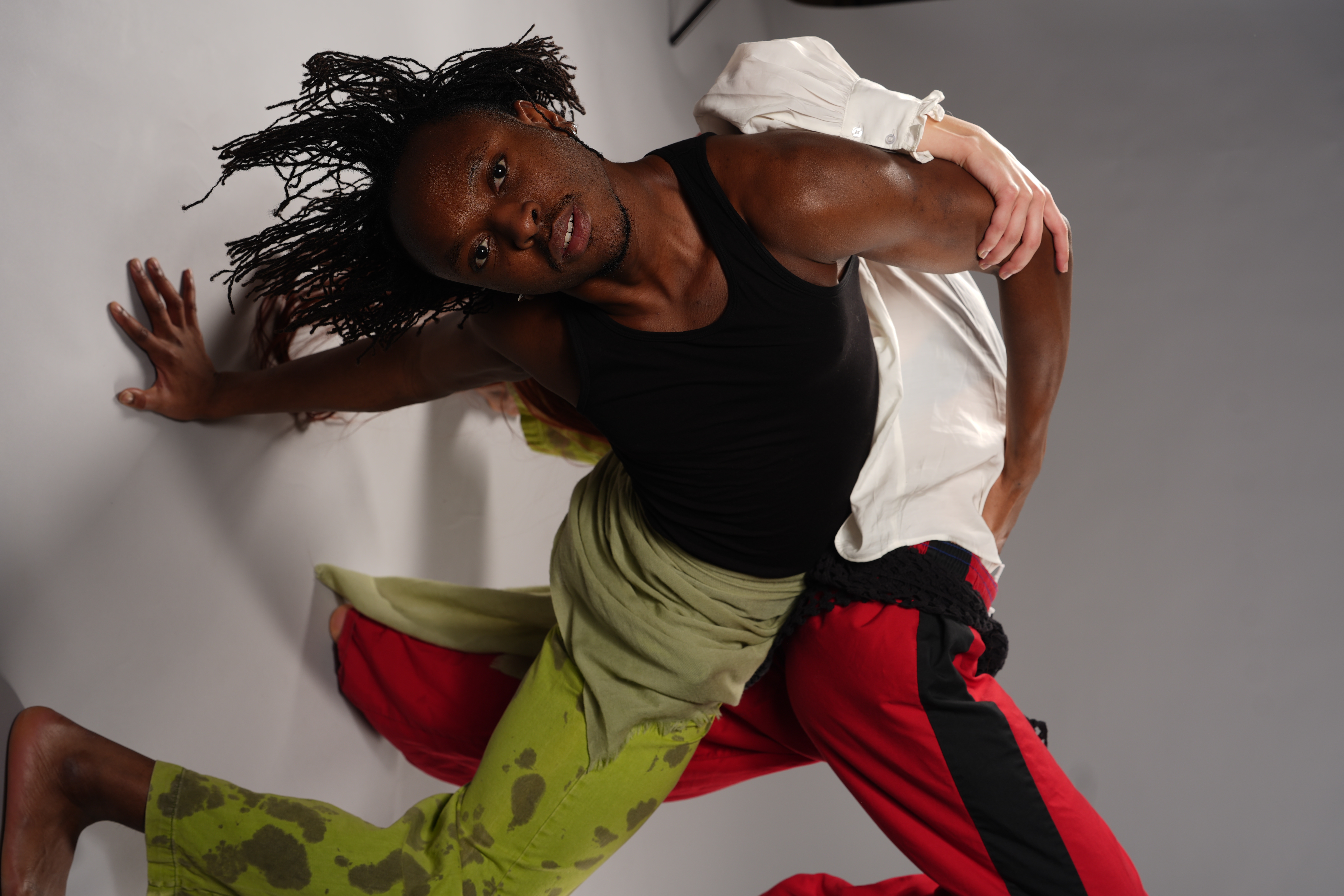
1/125s · f/5 · ISO 50
50mm
Download Original

1/125s · f/5 · ISO 50
104mm
Download Original

1/125s · f/5 · ISO 50
104mm
Download Original

1/125s · f/5 · ISO 50
104mm
Download Original

1/125s · f/5 · ISO 50
50mm
Download Original

1/125s · f/5 · ISO 50
143mm
Download Original

1/125s · f/5 · ISO 50
143mm
Download Original

1/125s · f/5 · ISO 50
106mm
Download Original

1/50s · f/2.8 · ISO 1600
50mm
Download Original

1/50s · f/2.8 · ISO 1250
50mm
Download Original
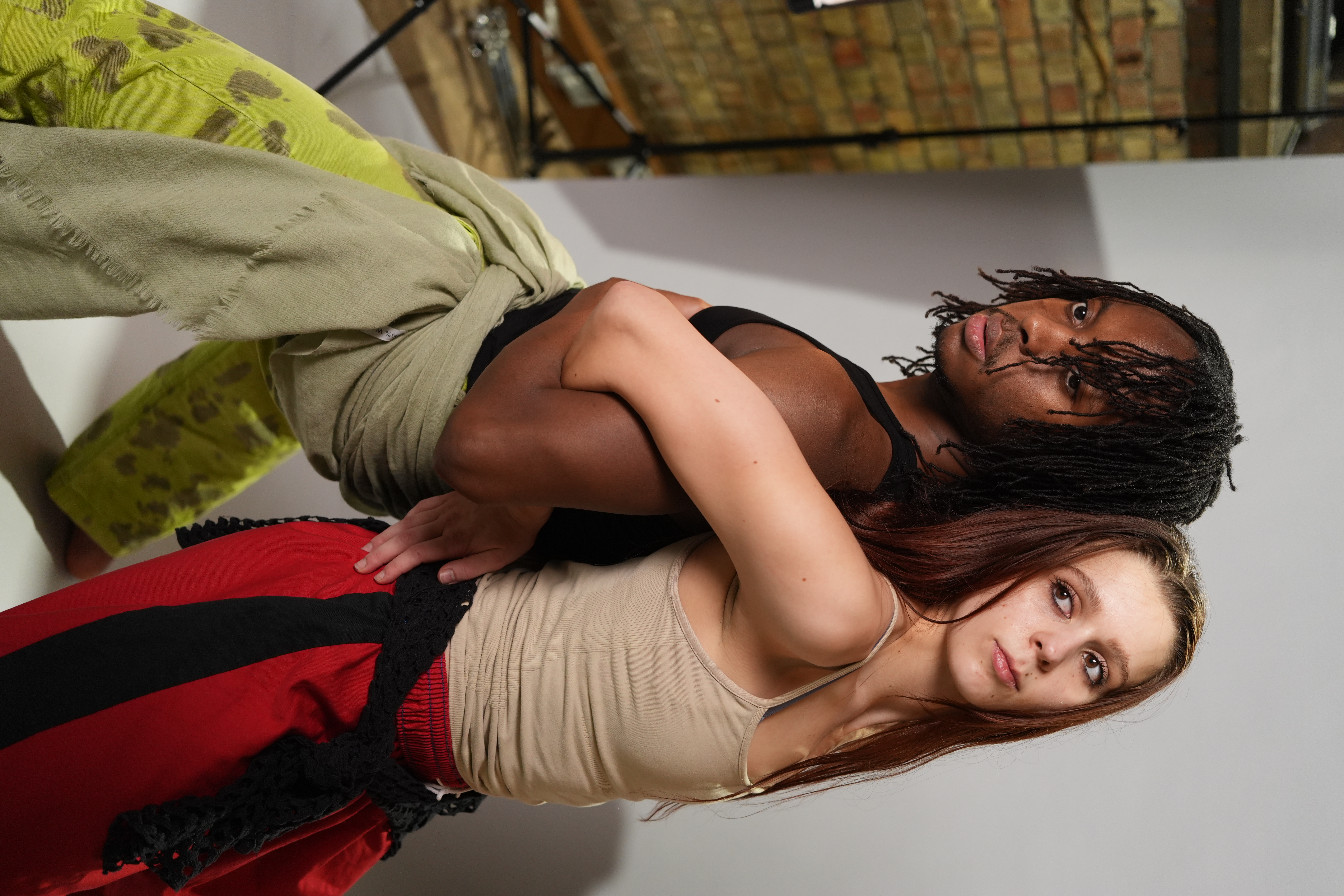
1/25s · f/8 · ISO 100
70mm
Download Original
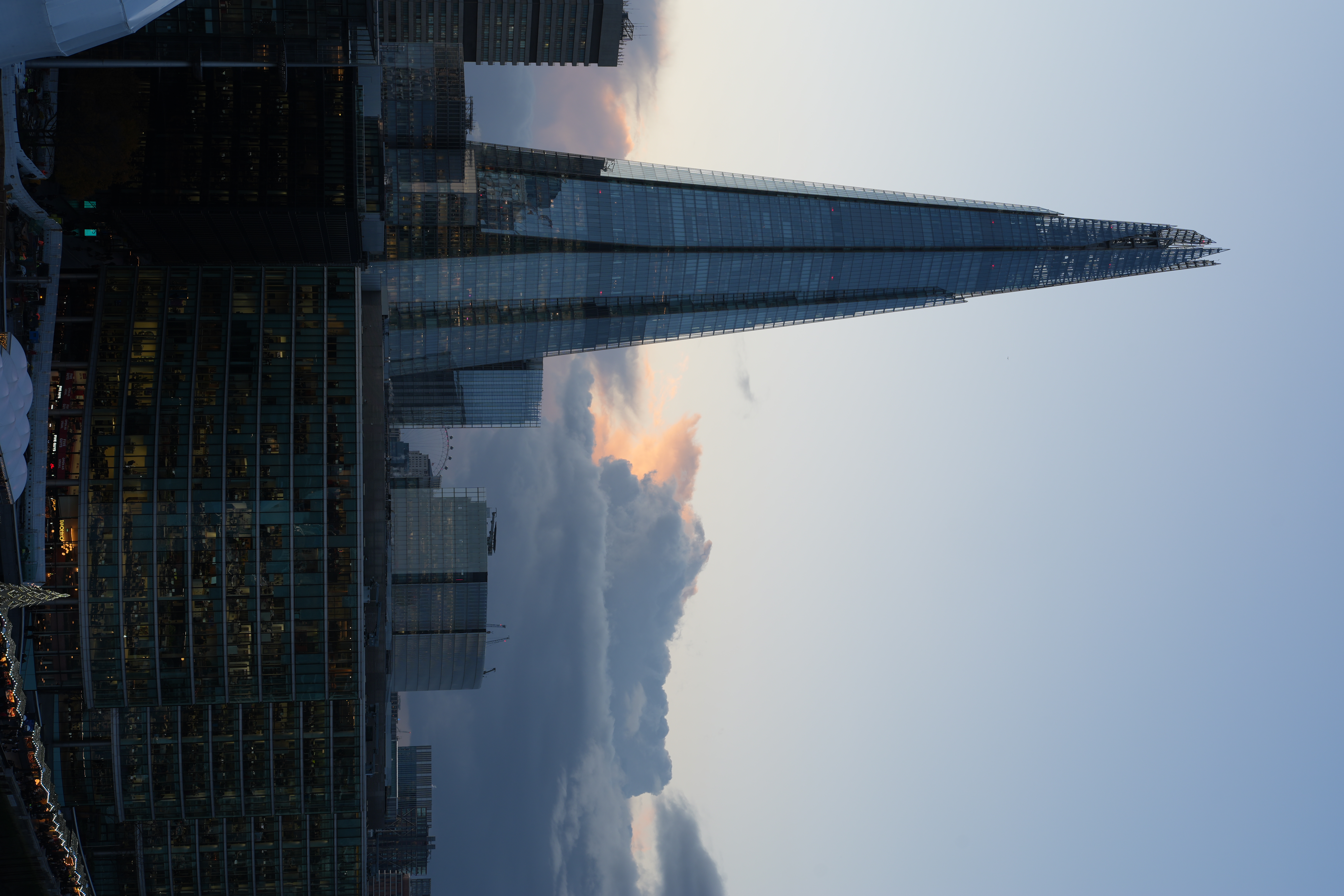
1/5s · f/8 · ISO 100
70mm
Download Original
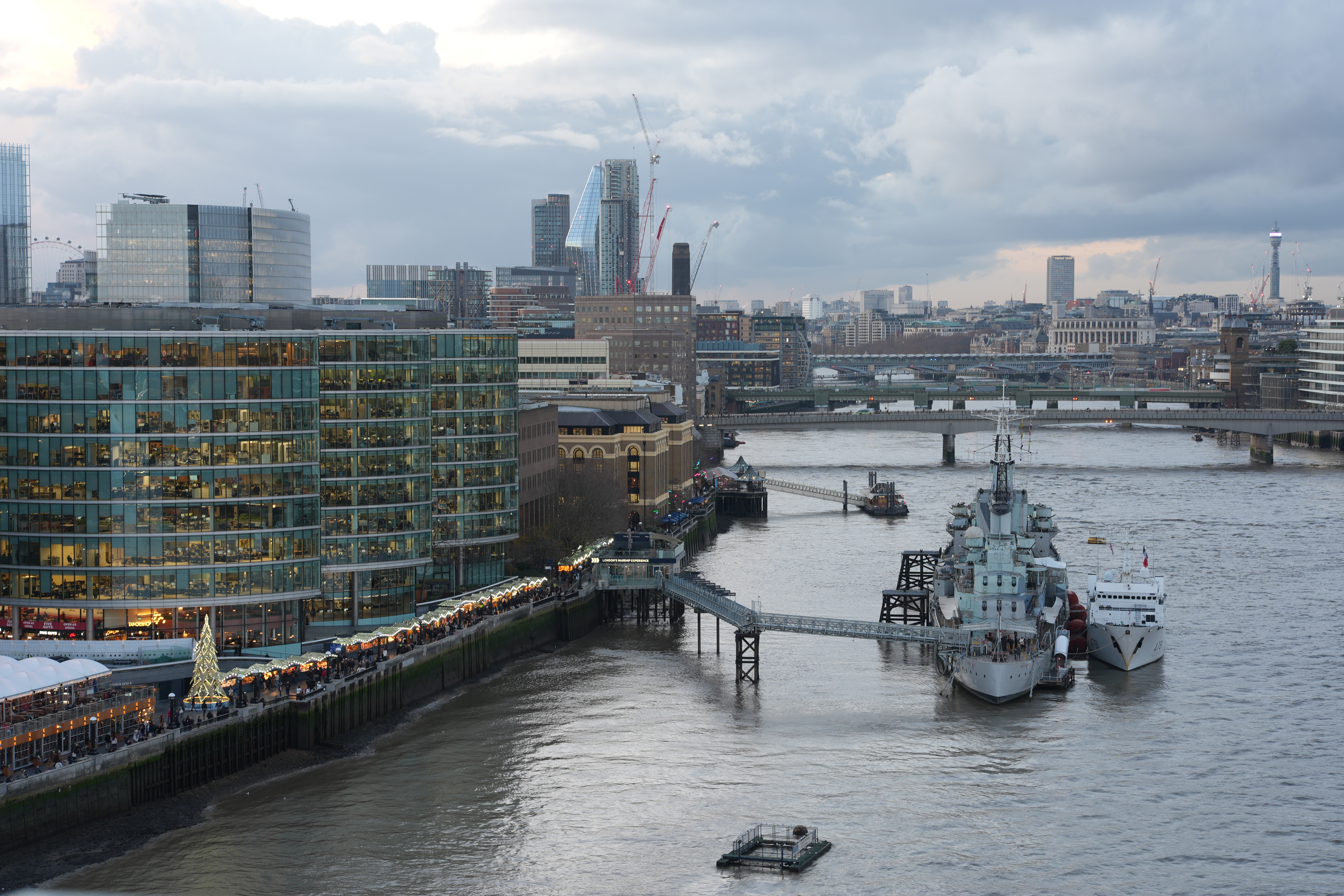
1/80s · f/8 · ISO 1250
70mm
Download Original
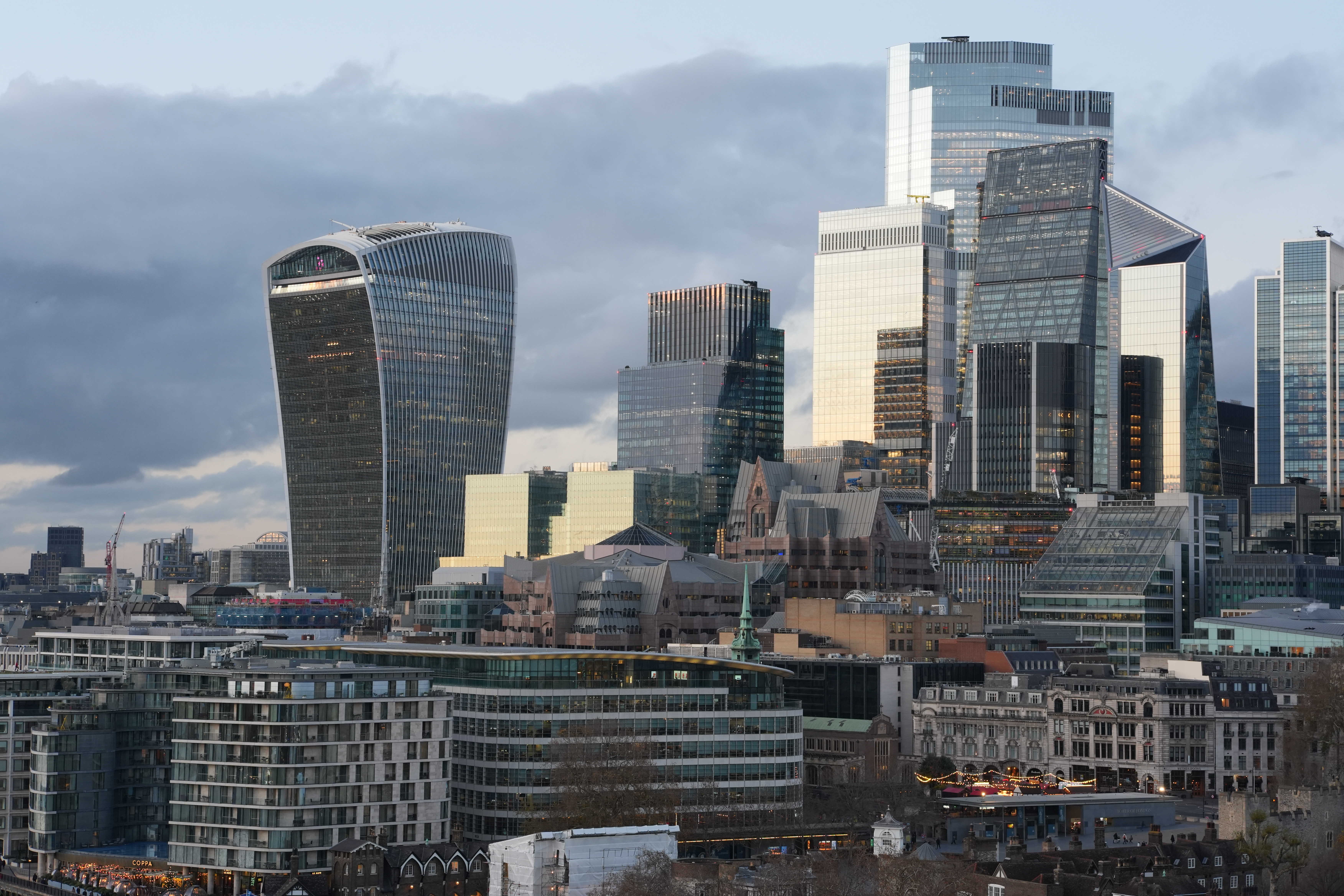
1/80s · f/8 · ISO 1600
65mm
Download Original
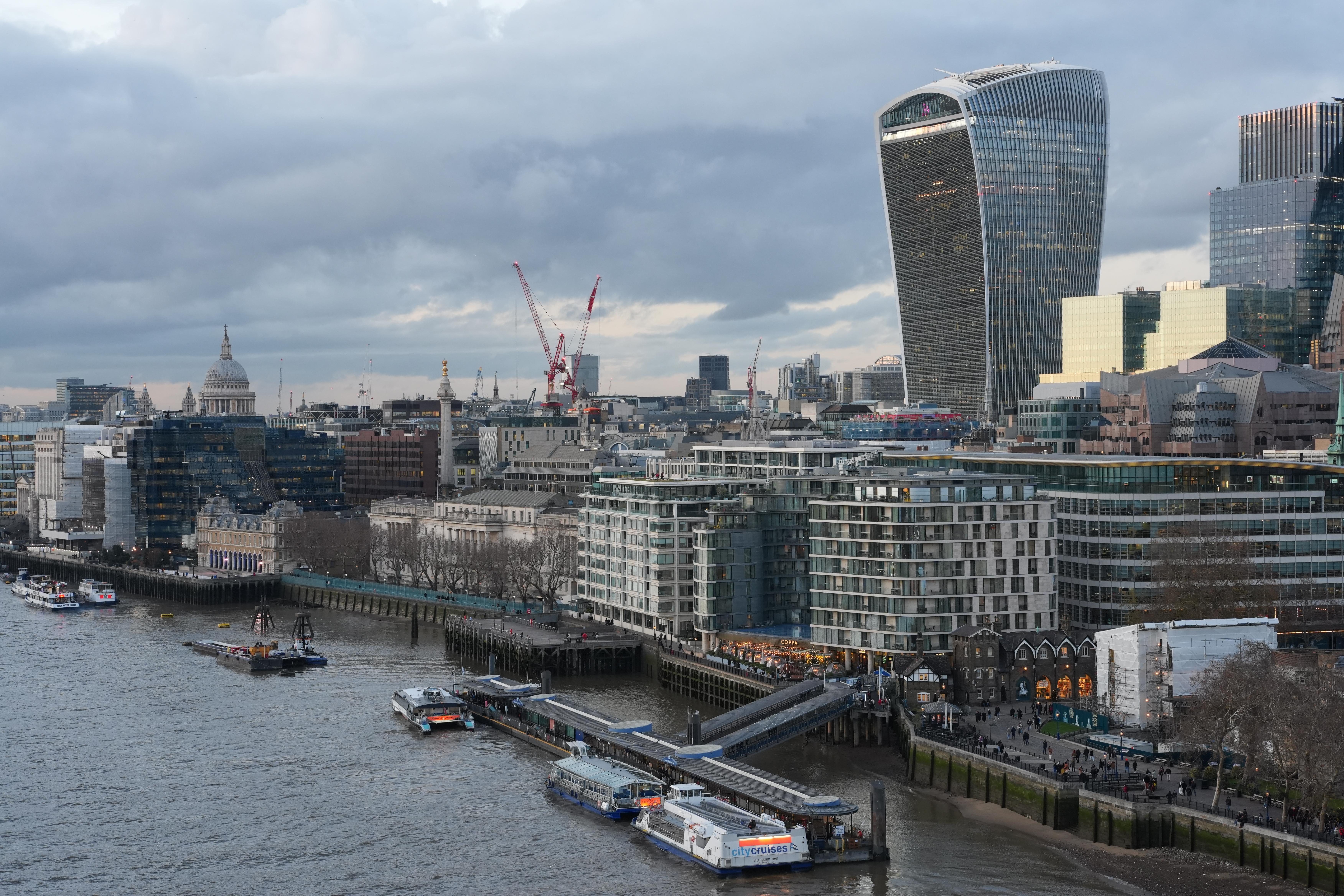
1/80s · f/16 · ISO 6400
70mm
Download Original
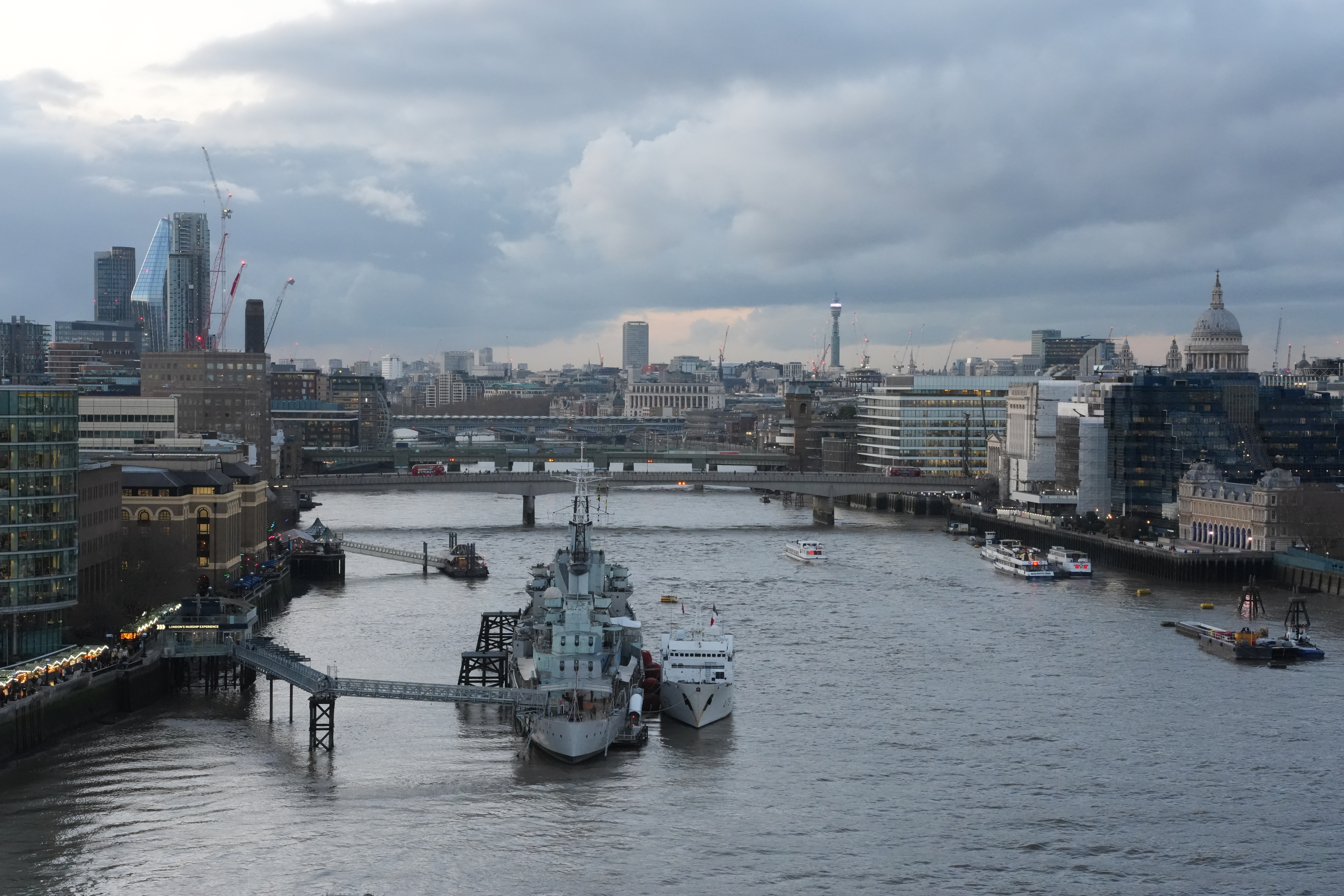
1/80s · f/11 · ISO 800
70mm
Download Original
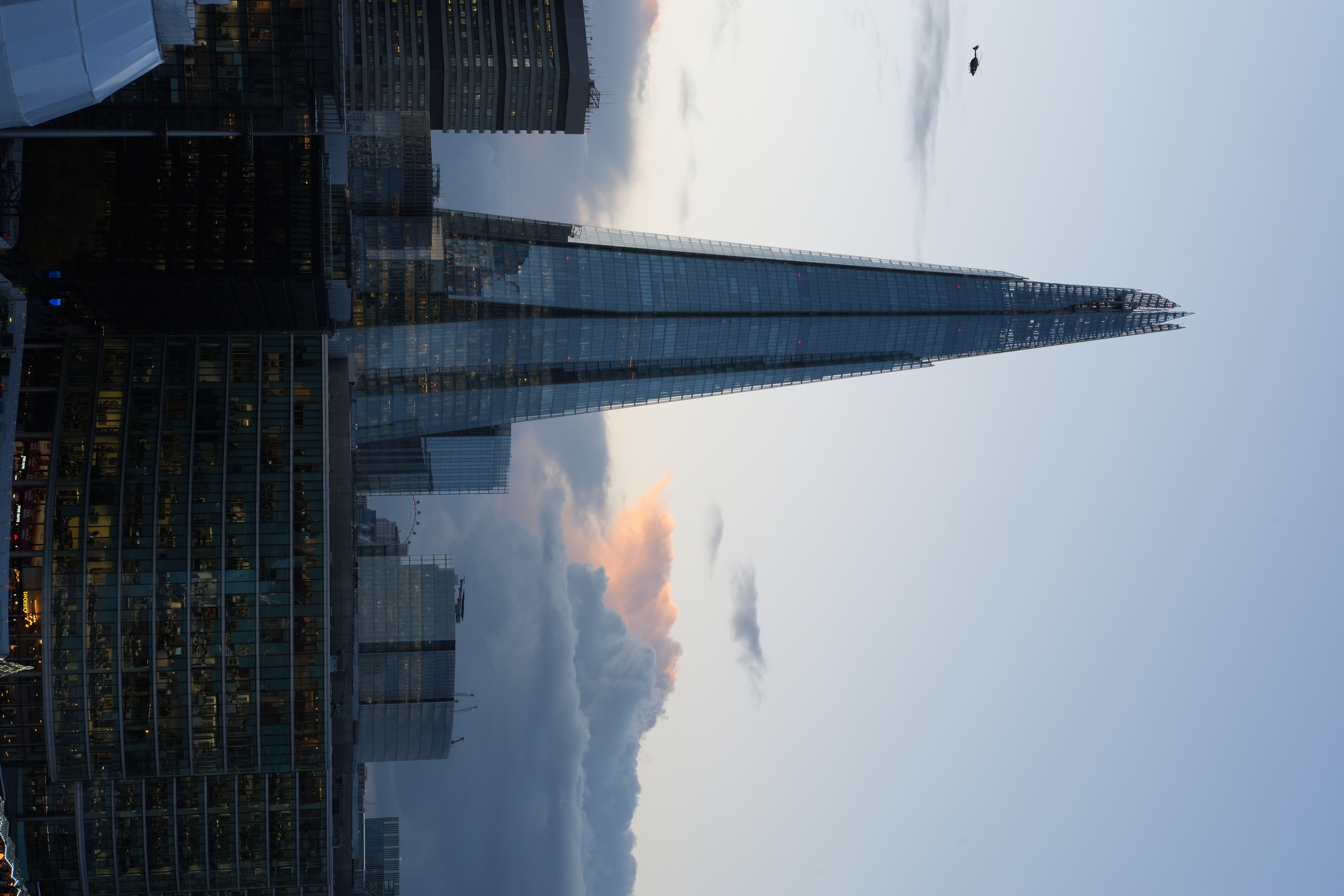
1/30s · f/11 · ISO 800
28mm
Download Original
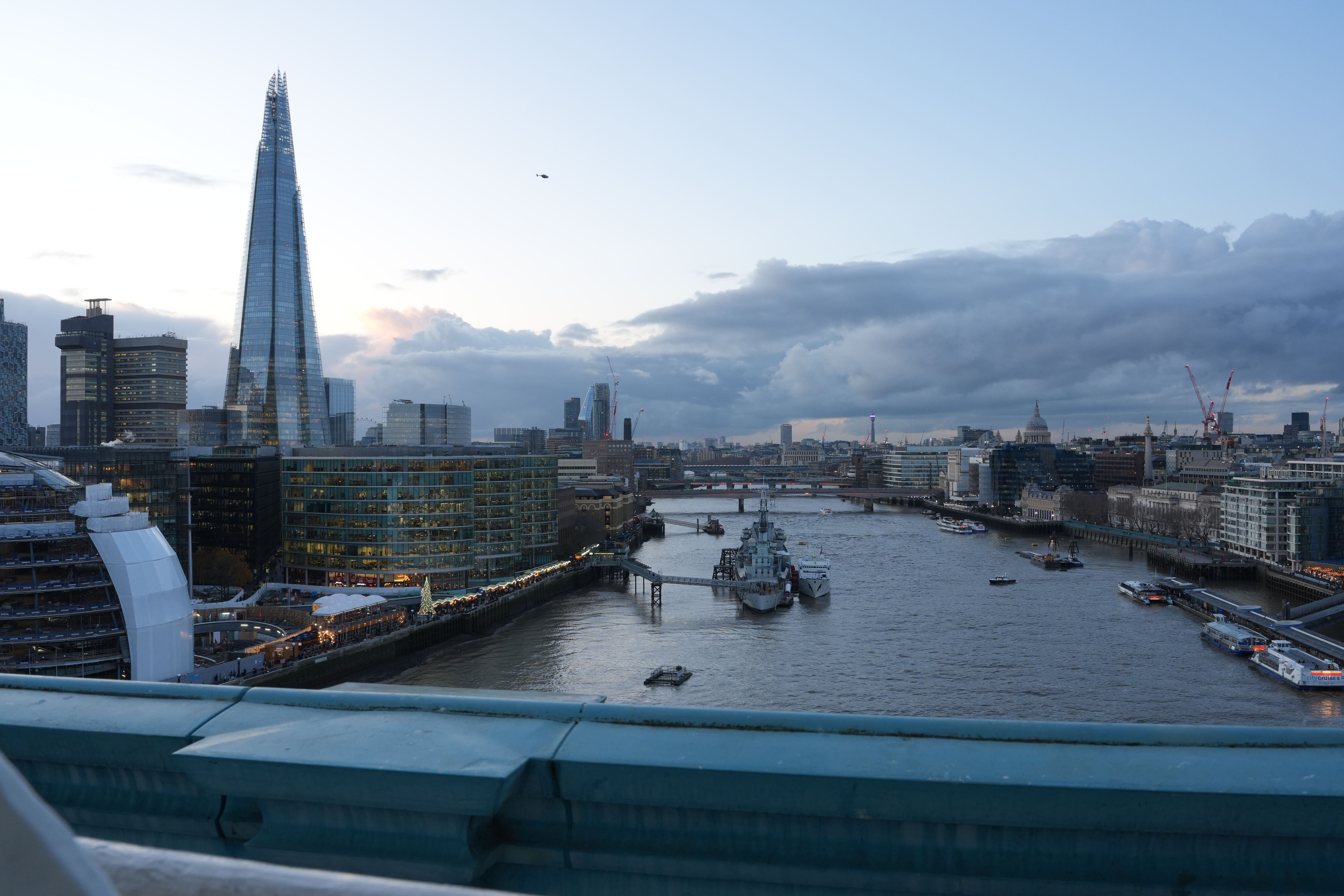
1/500s · f/2 · ISO 1250
70mm
Download Original

1/500s · f/2 · ISO 250
58mm
Download Original
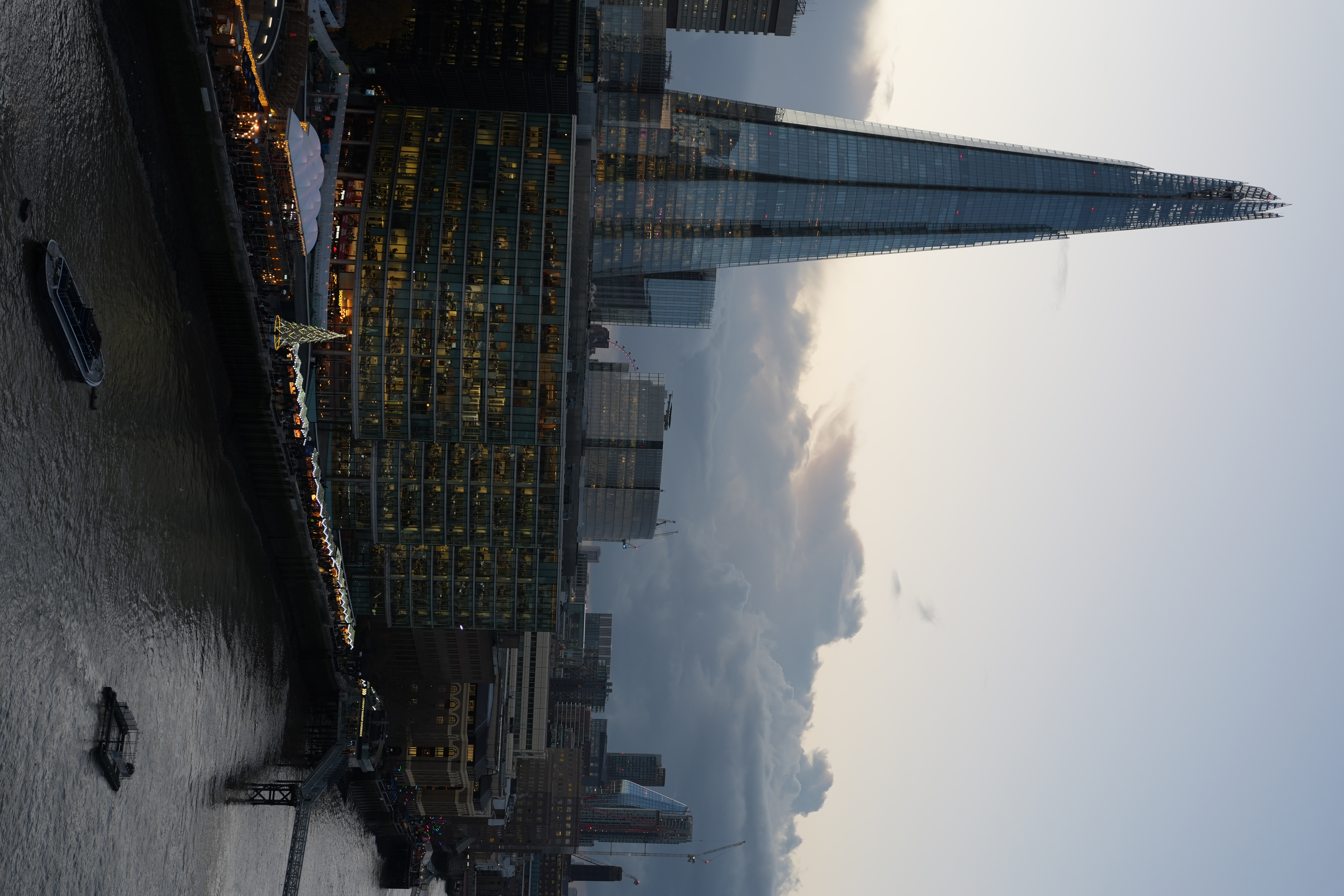
1/500s · f/2 · ISO 640
70mm
Download Original
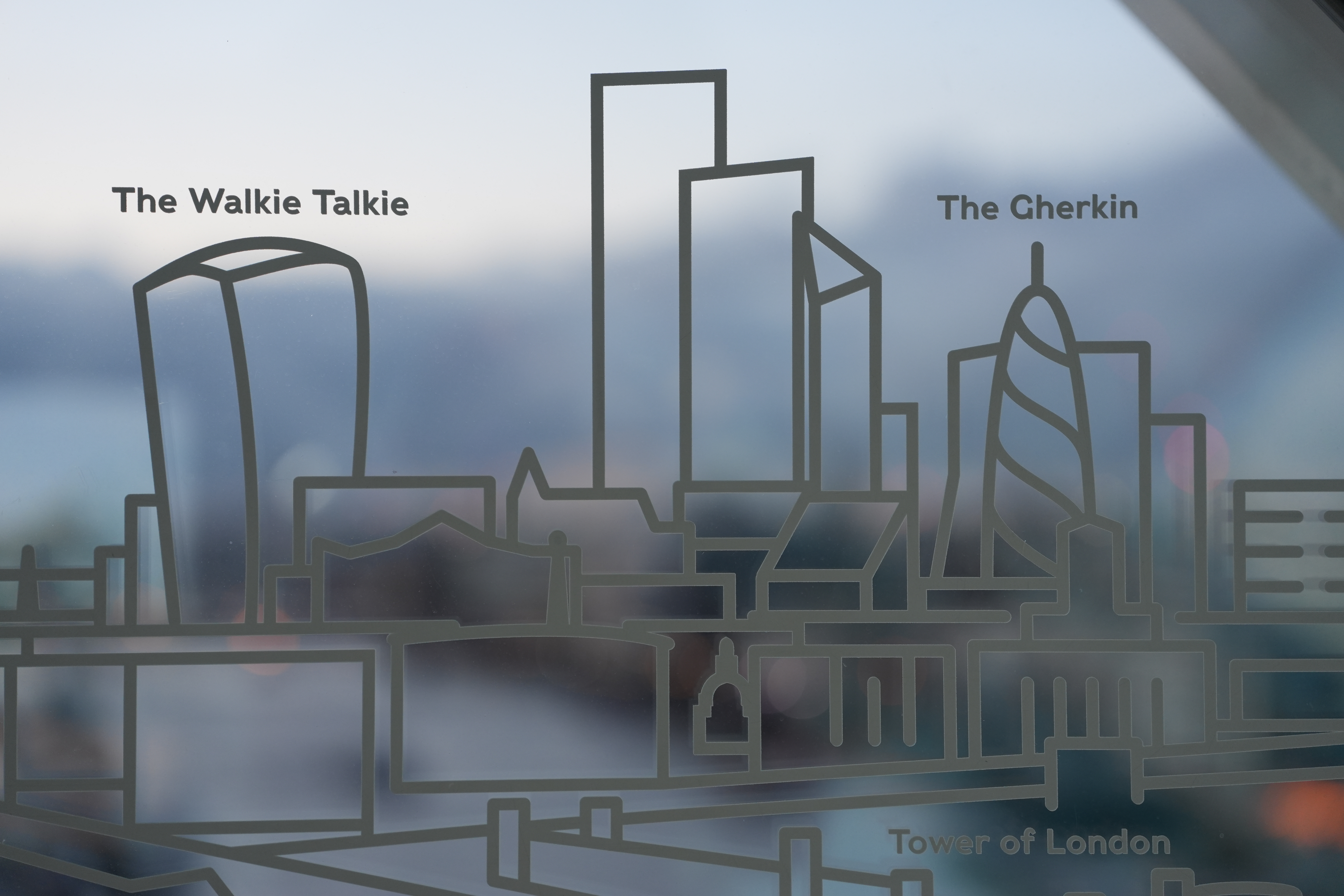
1/500s · f/2 · ISO 640
70mm
Download Original
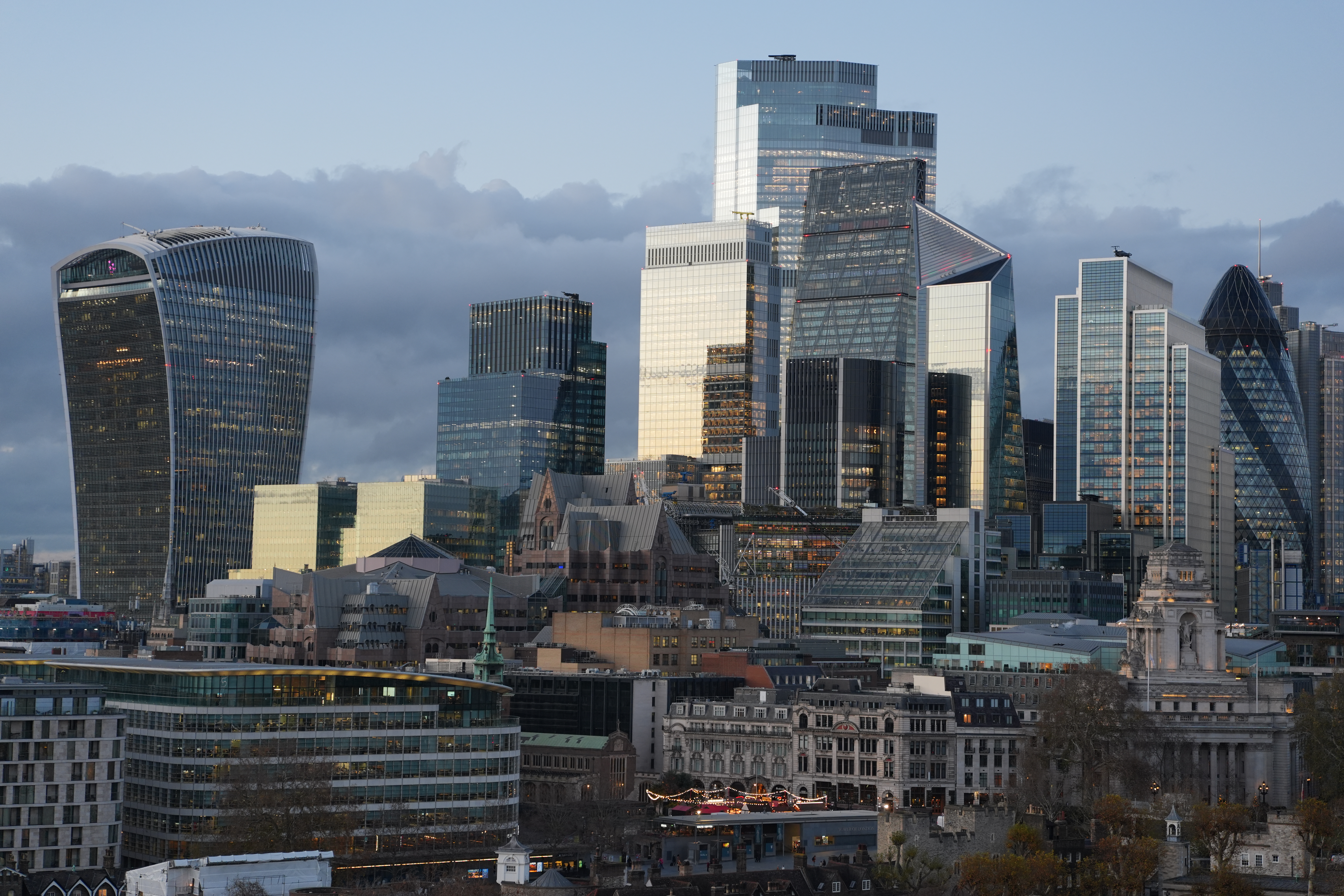
1/500s · f/2 · ISO 1250
61mm
Download Original
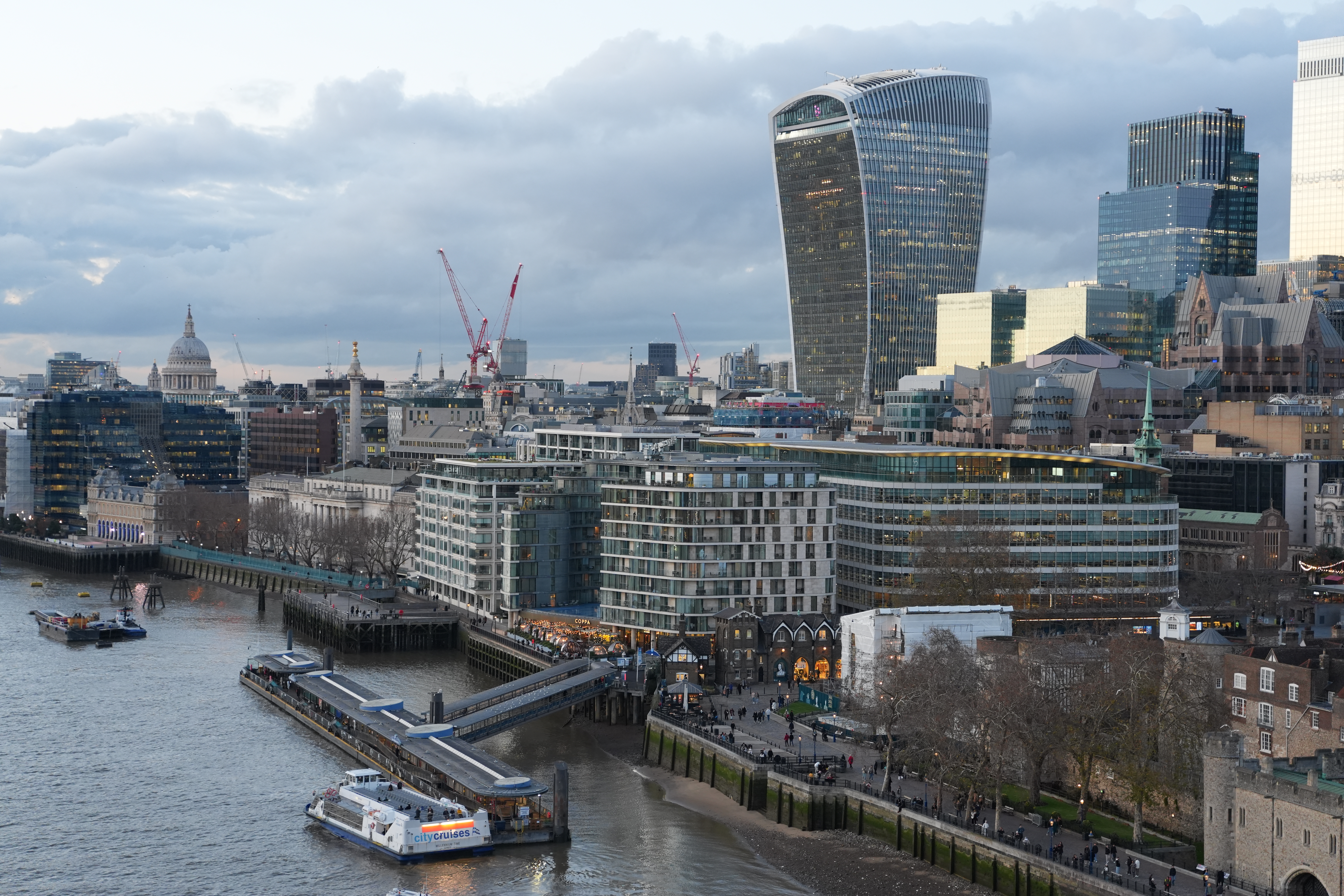
1/500s · f/2 · ISO 1000
70mm
Download Original
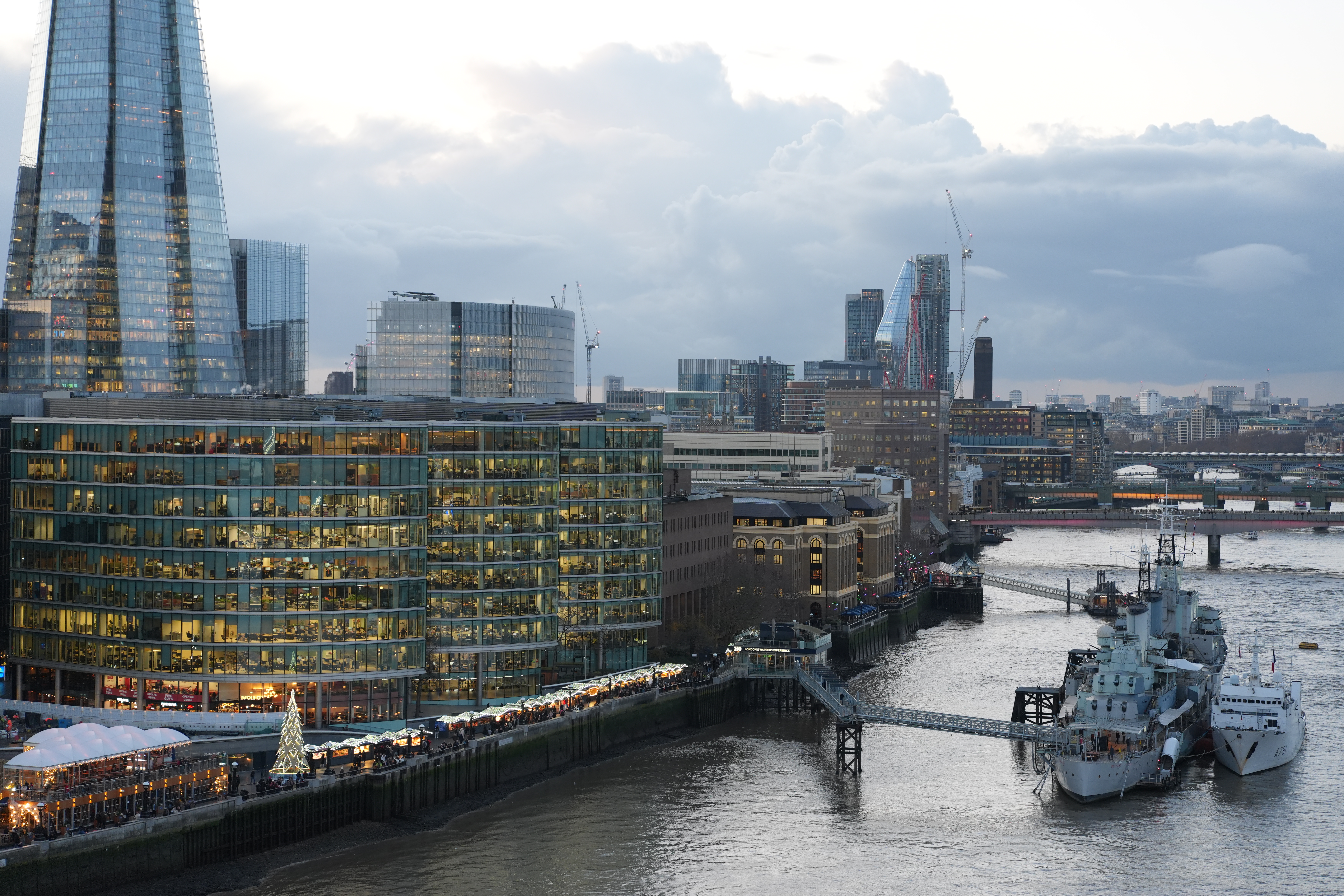
1/500s · f/2 · ISO 640
70mm
Download Original
1/80s · f/8 · ISO 2000
70mm
Download Original
1/80s · f/8 · ISO 1000
68mm
Download Original
1/80s · f/8 · ISO 1000
68mm
Download Original
1/30s · f/8 · ISO 800
28mm
Download Original
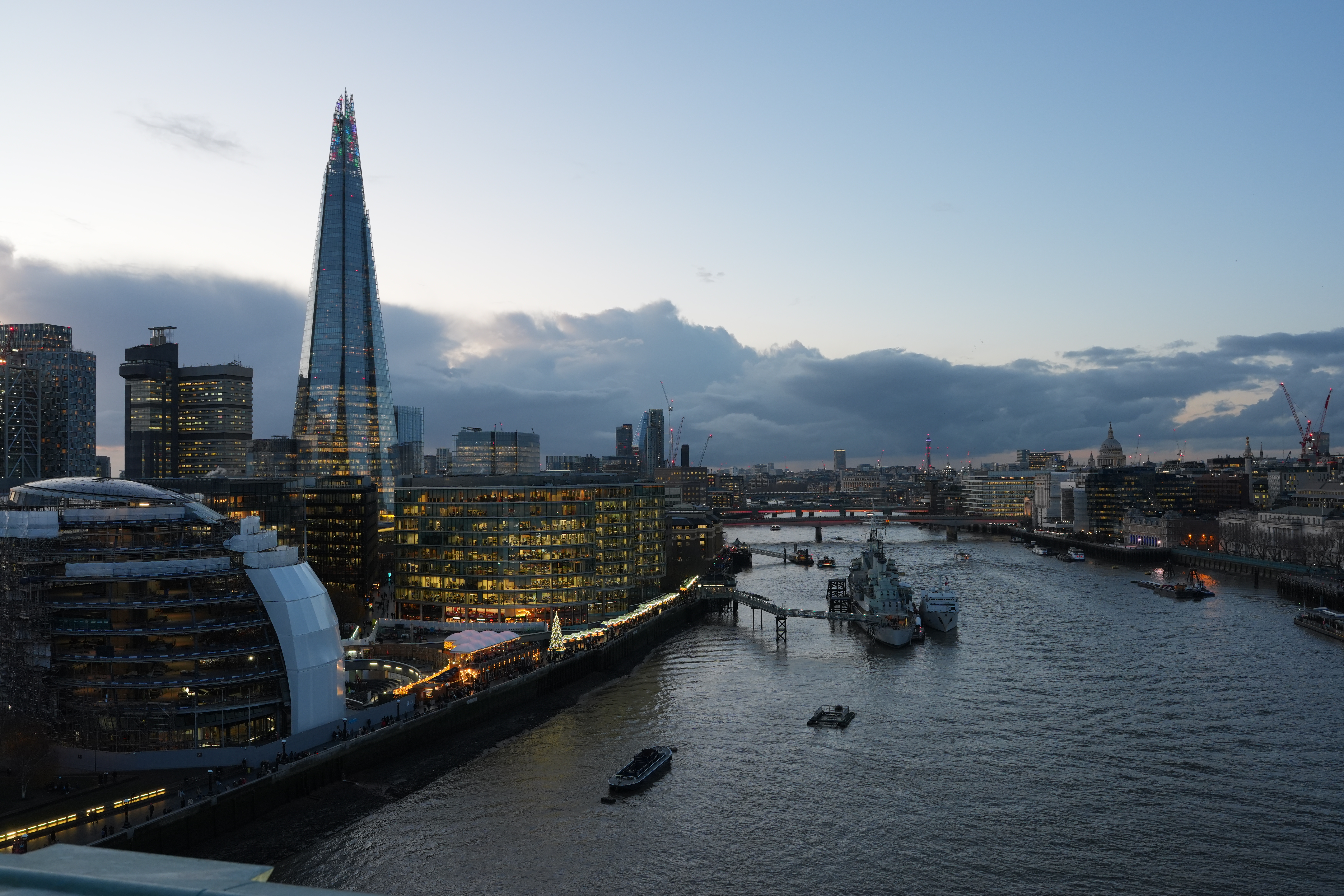
1/80s · f/8 · ISO 5000
70mm
Download Original
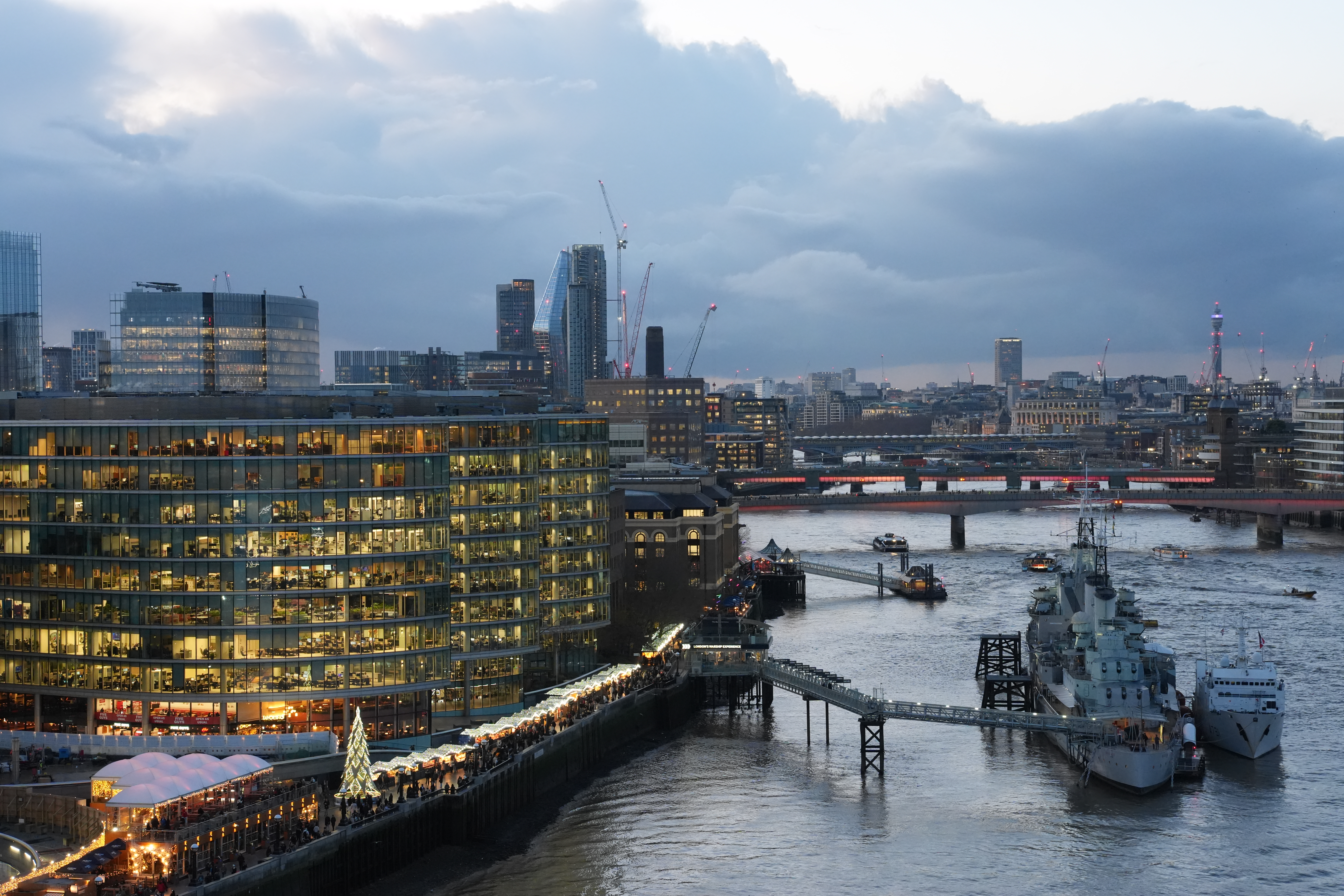
1/80s · f/8 · ISO 3200
70mm
Download Original
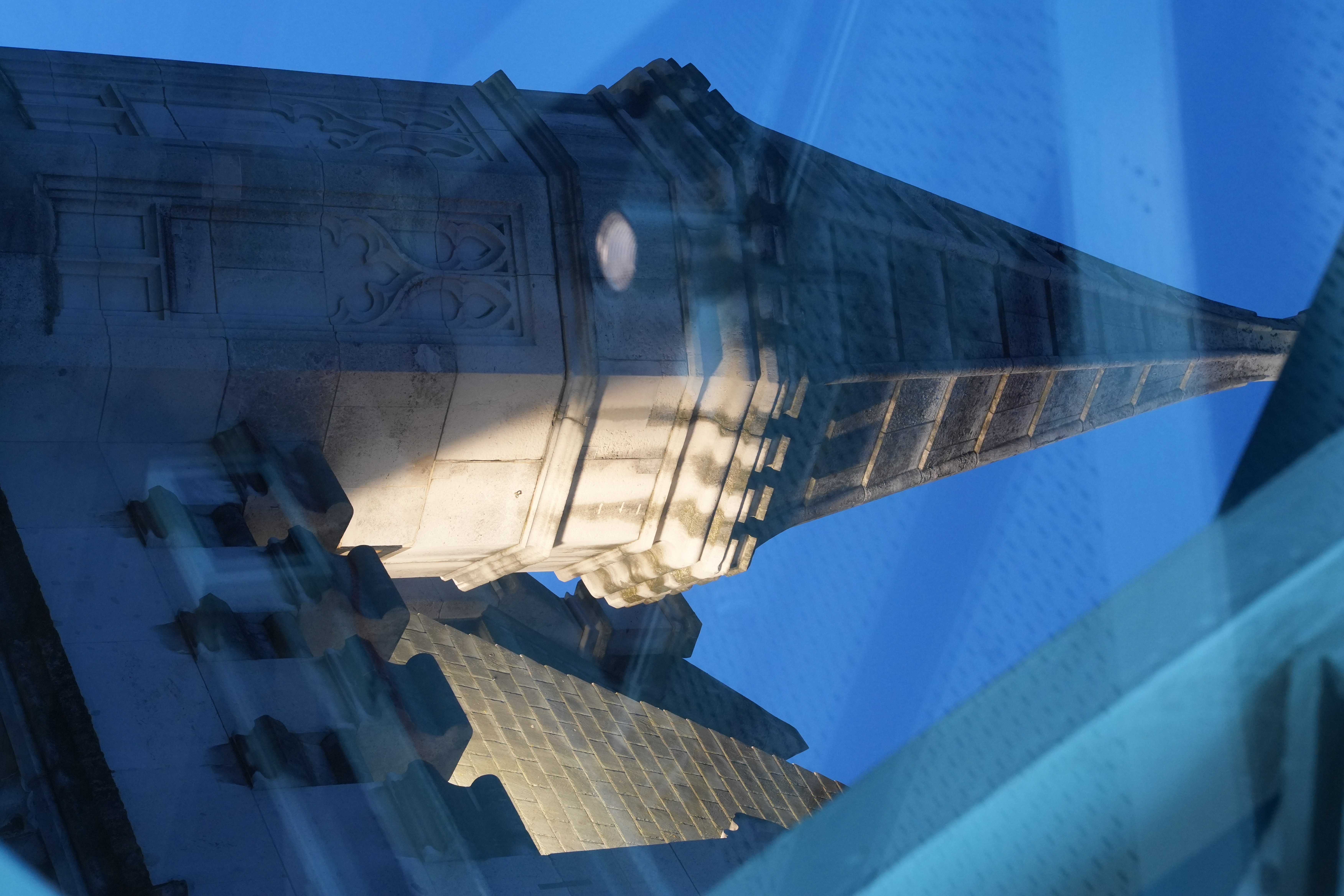
1/80s · f/8 · ISO 1000
70mm
Download Original

1/100s · f/8 · ISO 12800
200mm
Download Original
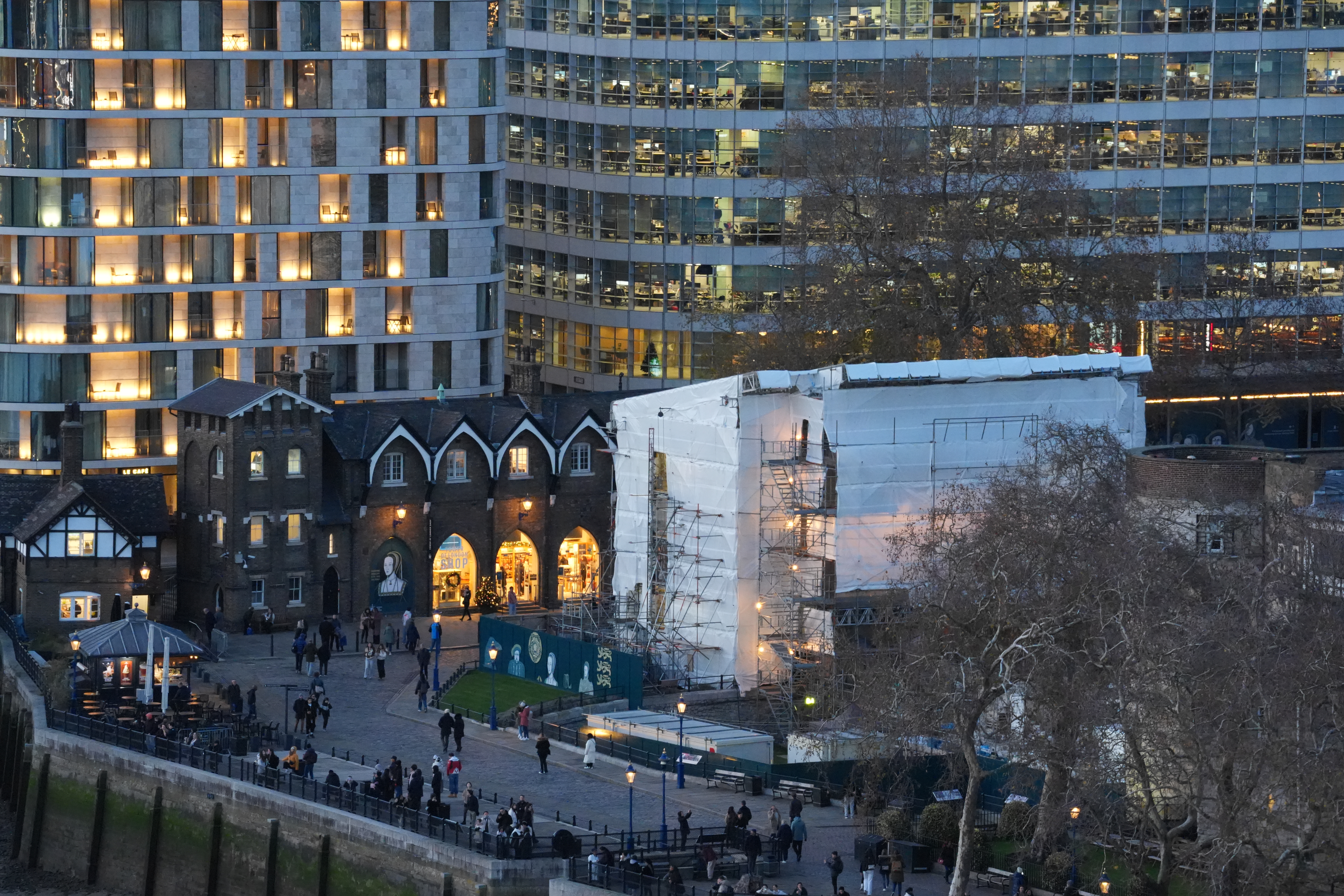
1/160s · f/8 · ISO 12800
200mm
Download Original
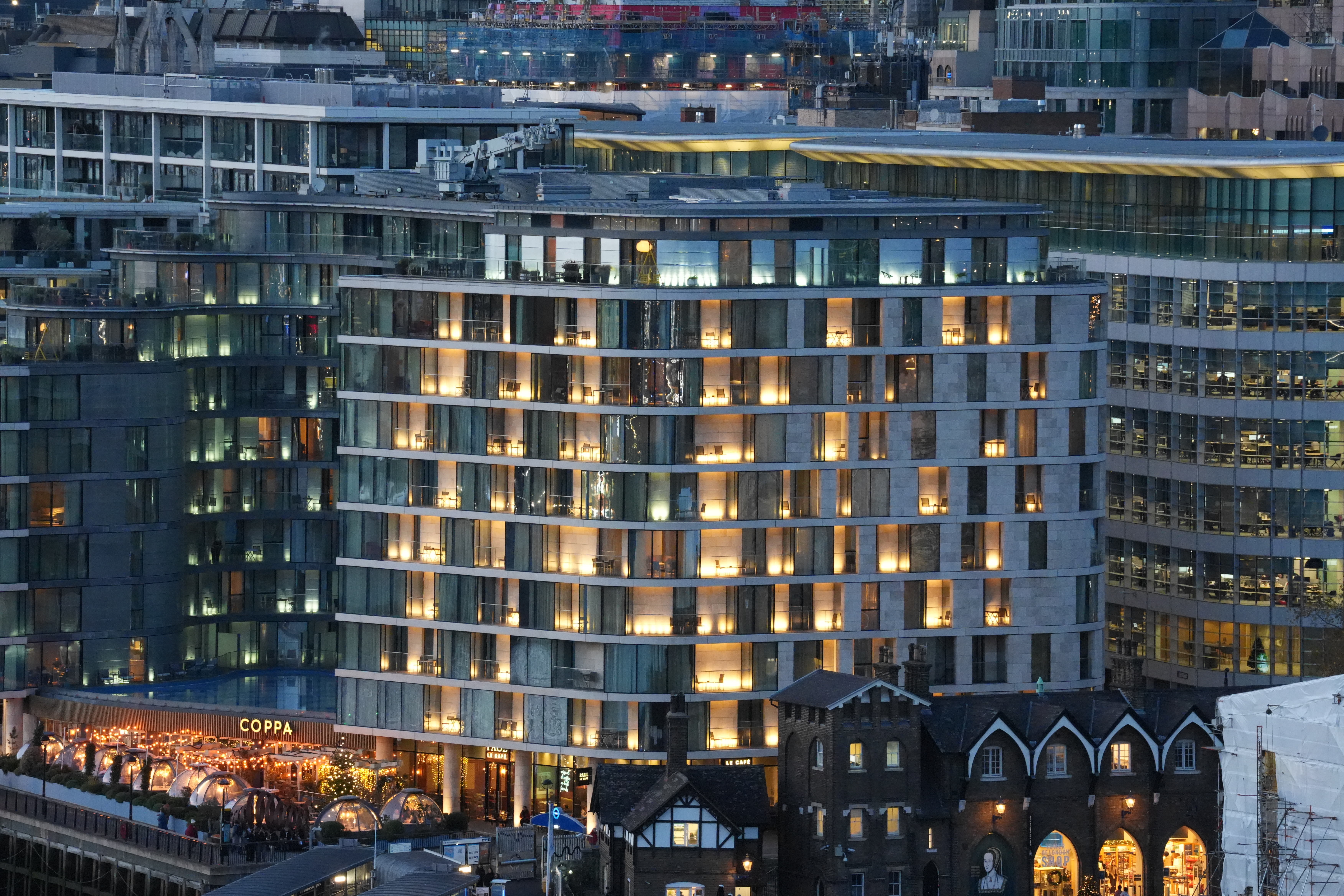
1/200s · f/8 · ISO 4000
200mm
Download Original
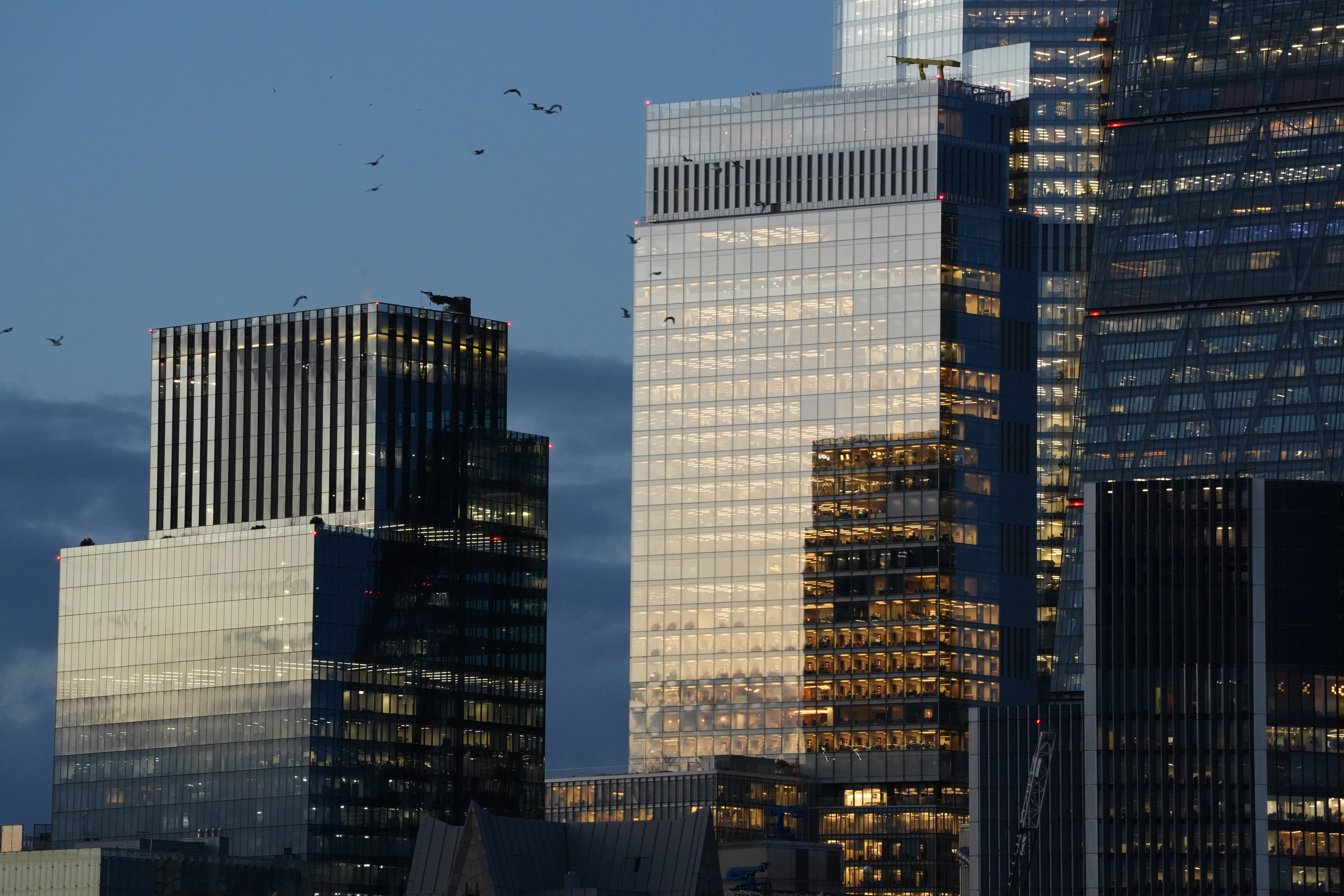
1/200s · f/8 · ISO 12800
200mm
Download Original
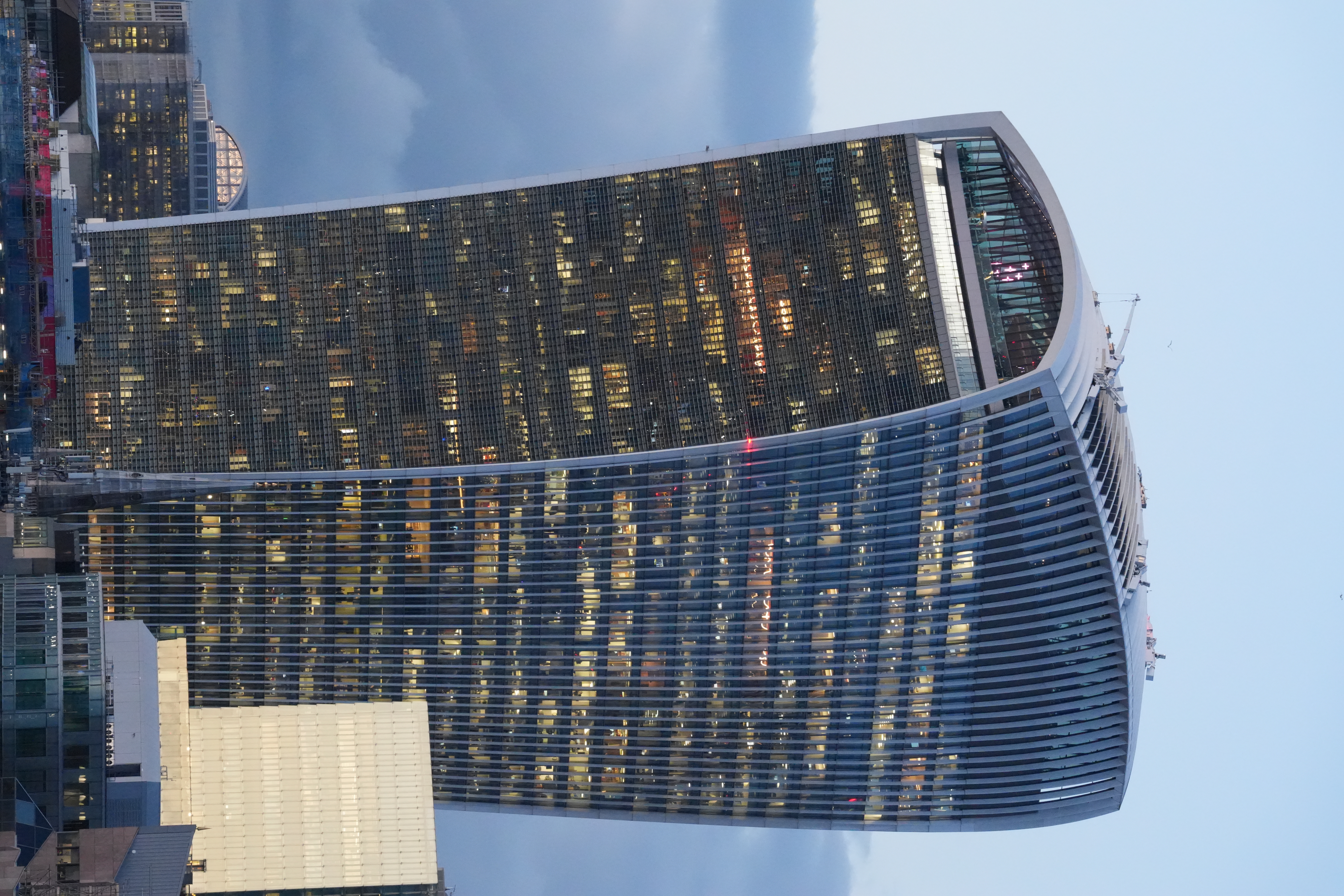
1/125s · f/8 · ISO 12800
200mm
Download Original
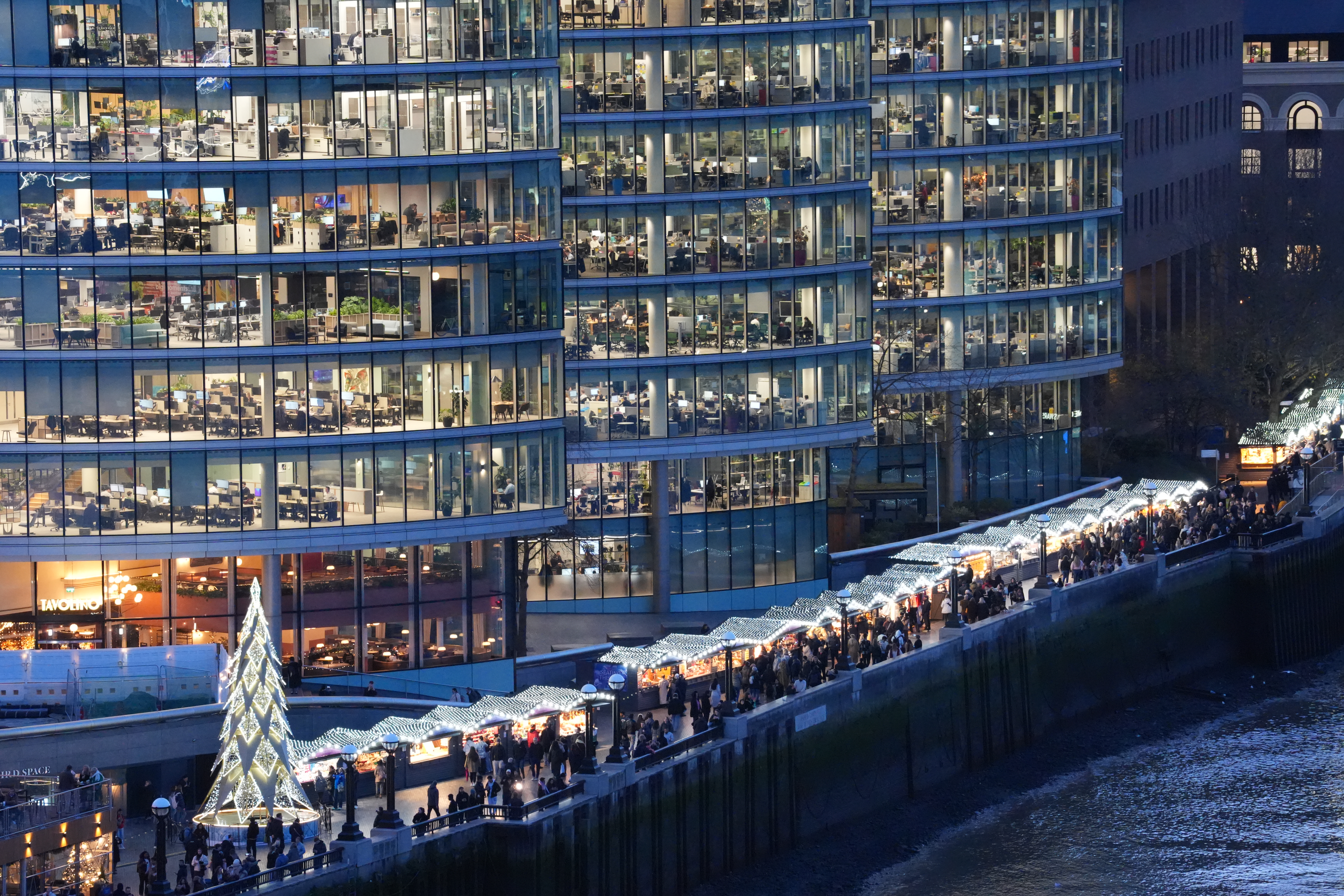
1/125s · f/8 · ISO 12800
200mm
Download Original
1/160s · f/8 · ISO 12800
200mm
Download Original
1/80s · f/8 · ISO 12800
200mm
Download Original
1/125s · f/8 · ISO 12800
200mm
Download Original

1/125s · f/8 · ISO 12800
133mm
Download Original
1/125s · f/8 · ISO 12800
200mm
Download Original
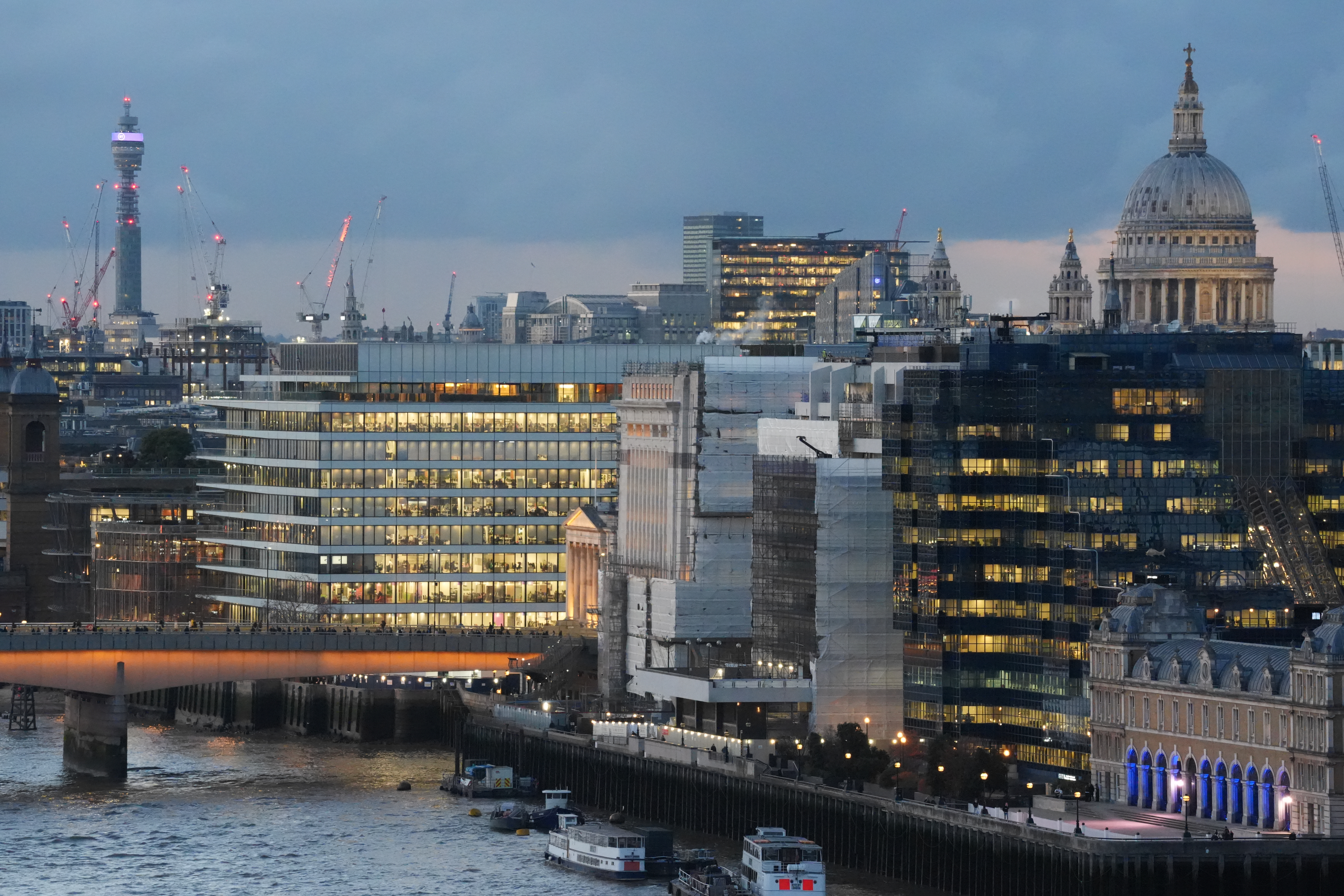
1/160s · f/8 · ISO 12800
200mm
Download Original
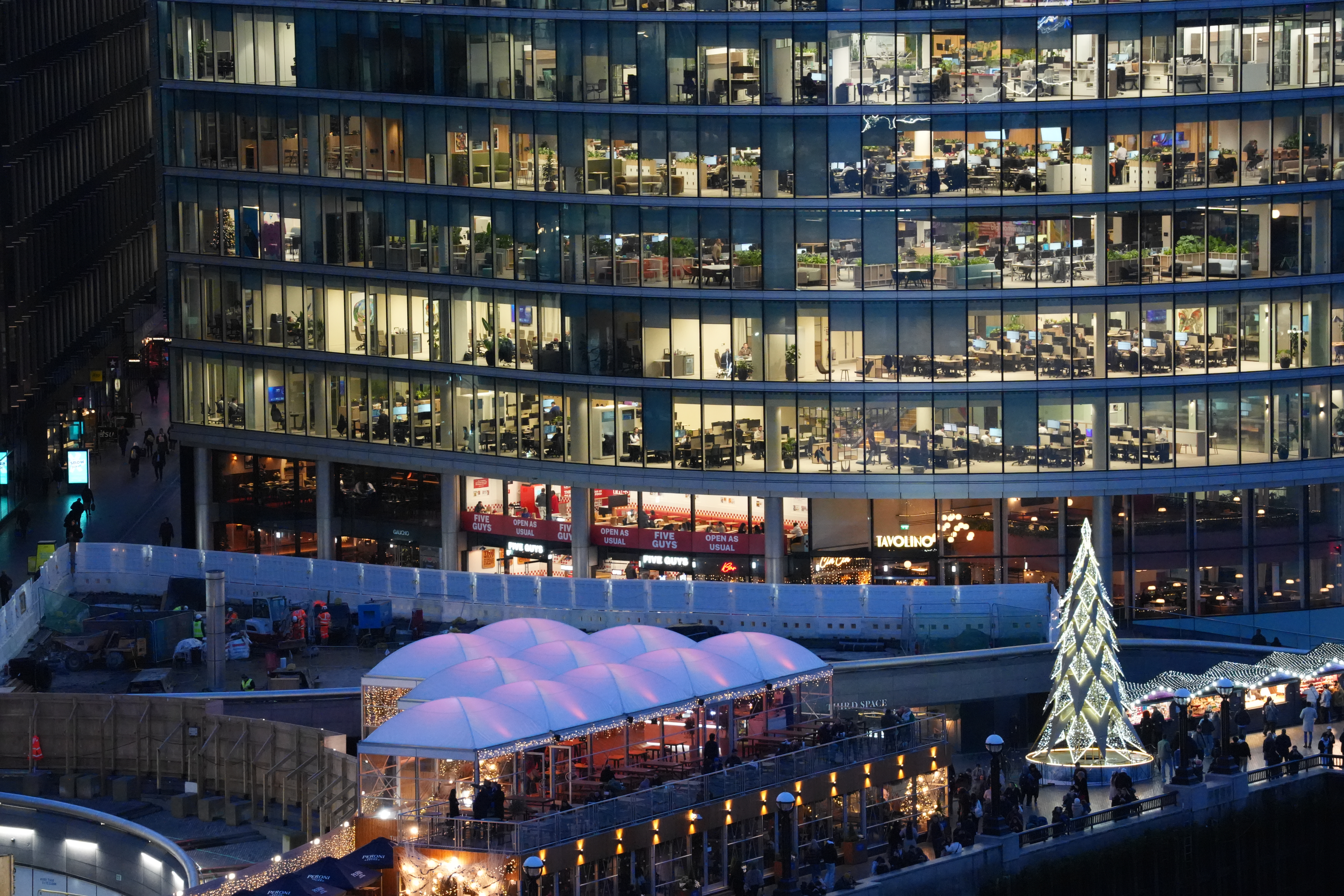
1/40s · f/11 · ISO 12800
200mm
Download Original
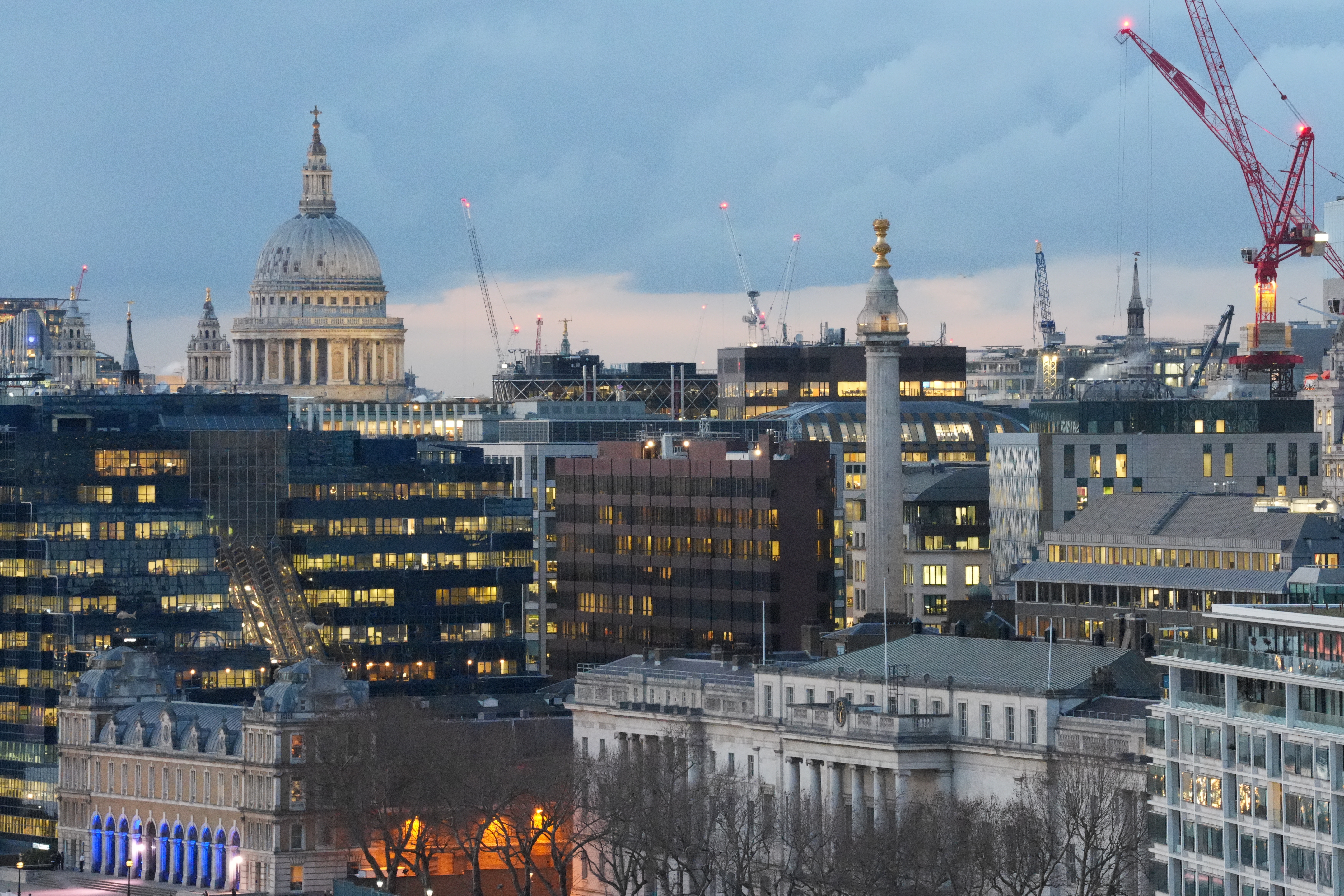
1/80s · f/11 · ISO 8000
78mm
Download Original
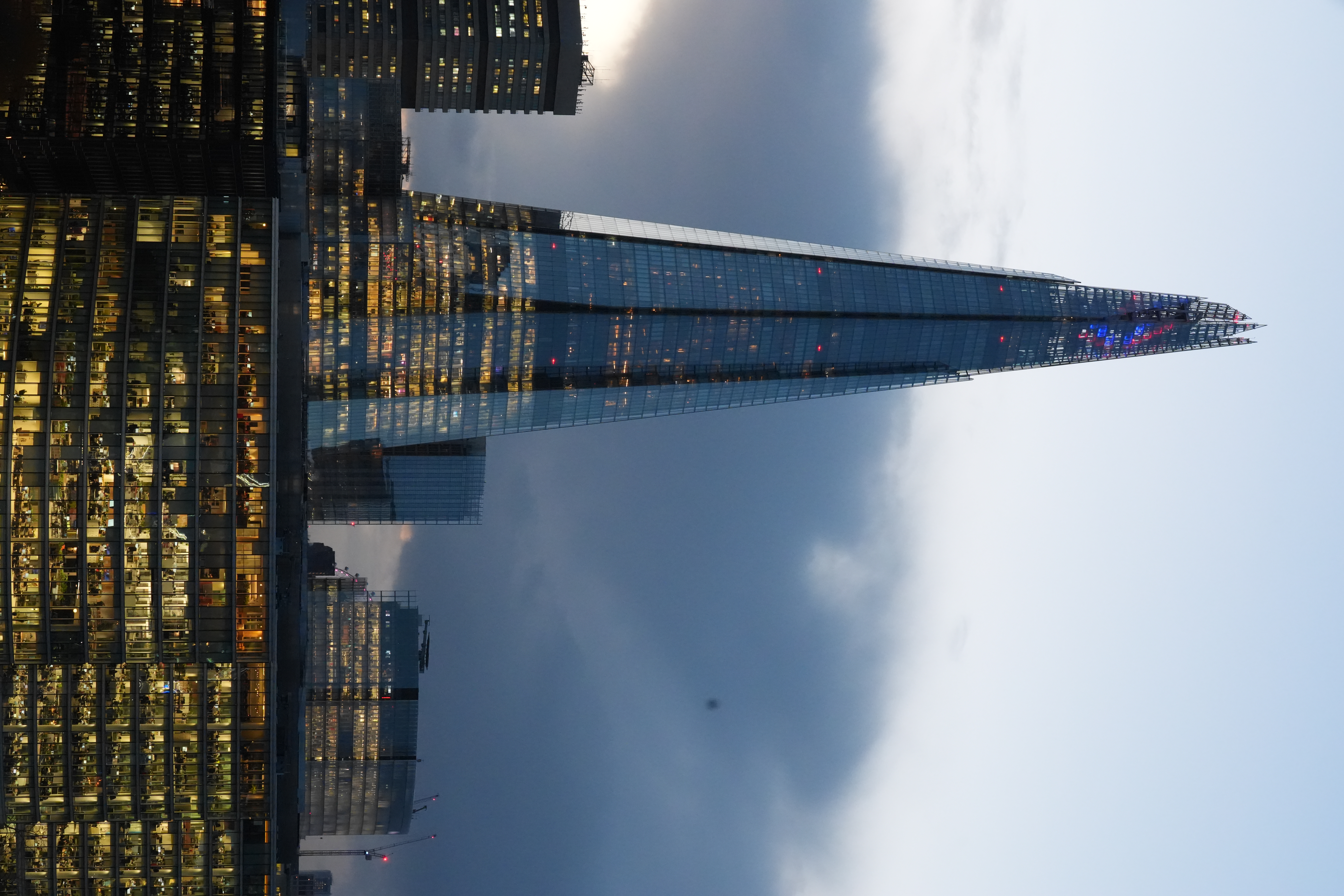
1/80s · f/11 · ISO 12800
200mm
Download Original
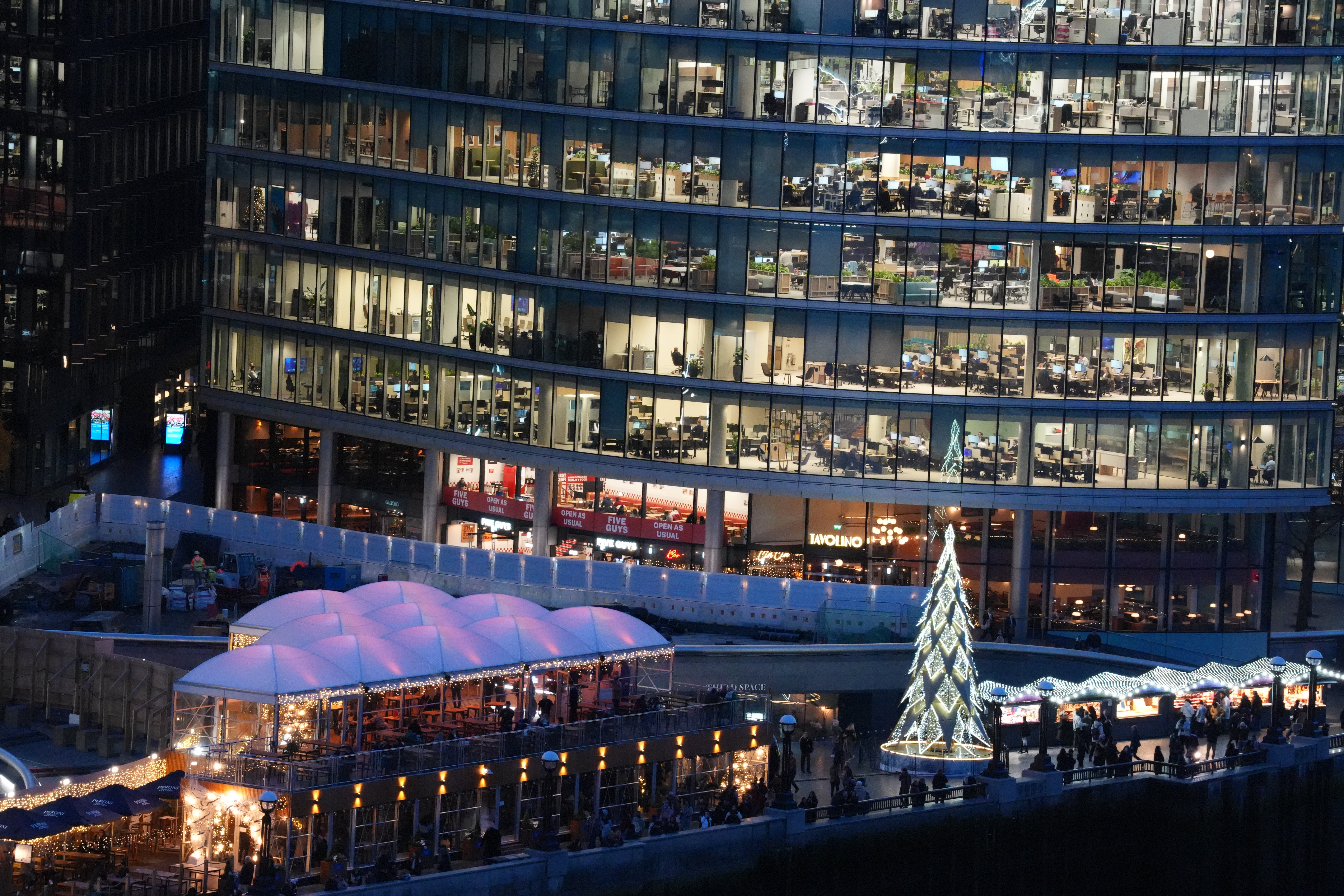
1/50s · f/2.8 · ISO 1000
50mm
Download Original
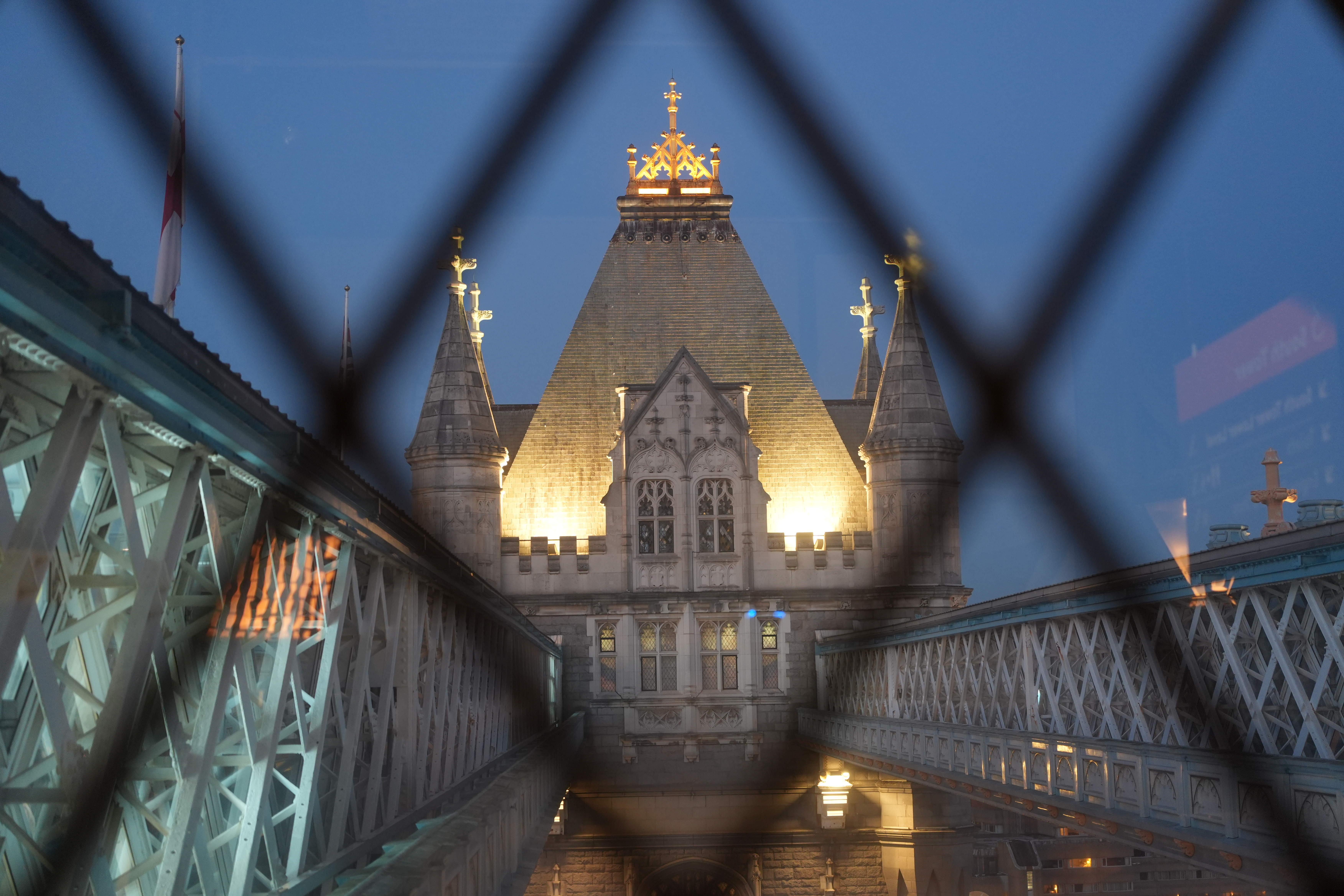
1/30s · f/2.8 · ISO 800
24mm
Download Original
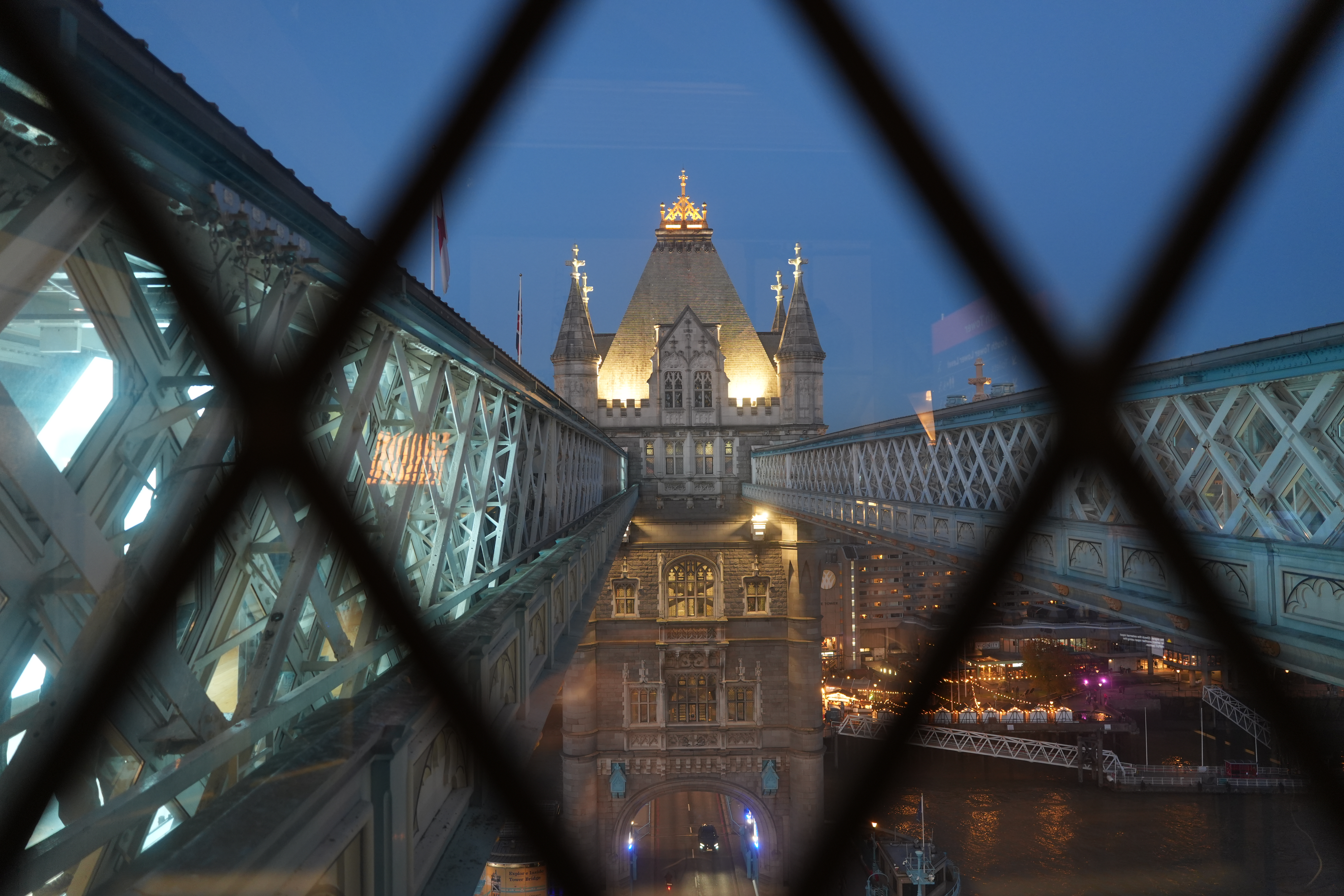
1/50s · f/8 · ISO 8000
50mm
Download Original
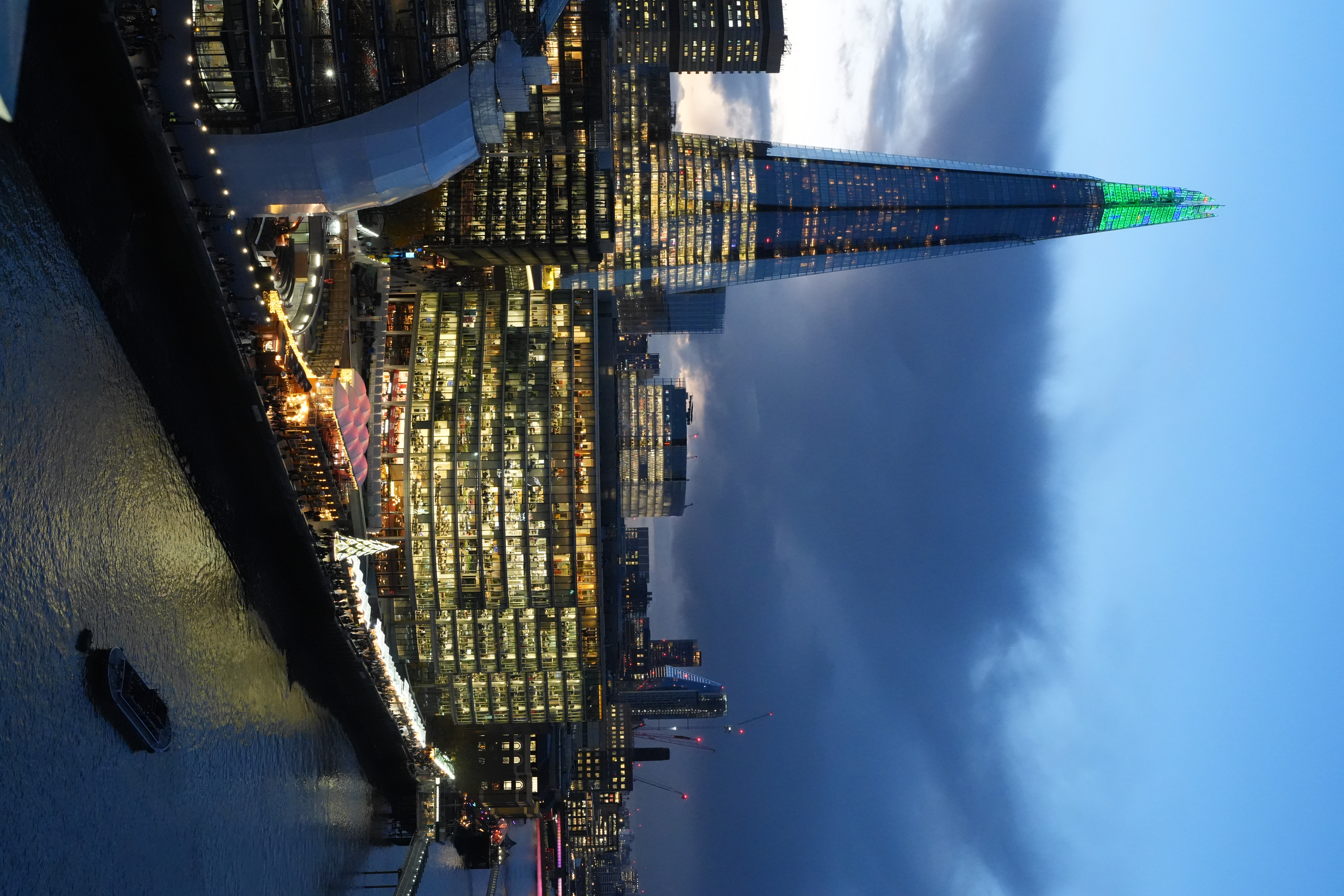
1/50s · f/8 · ISO 10000
44mm
Download Original
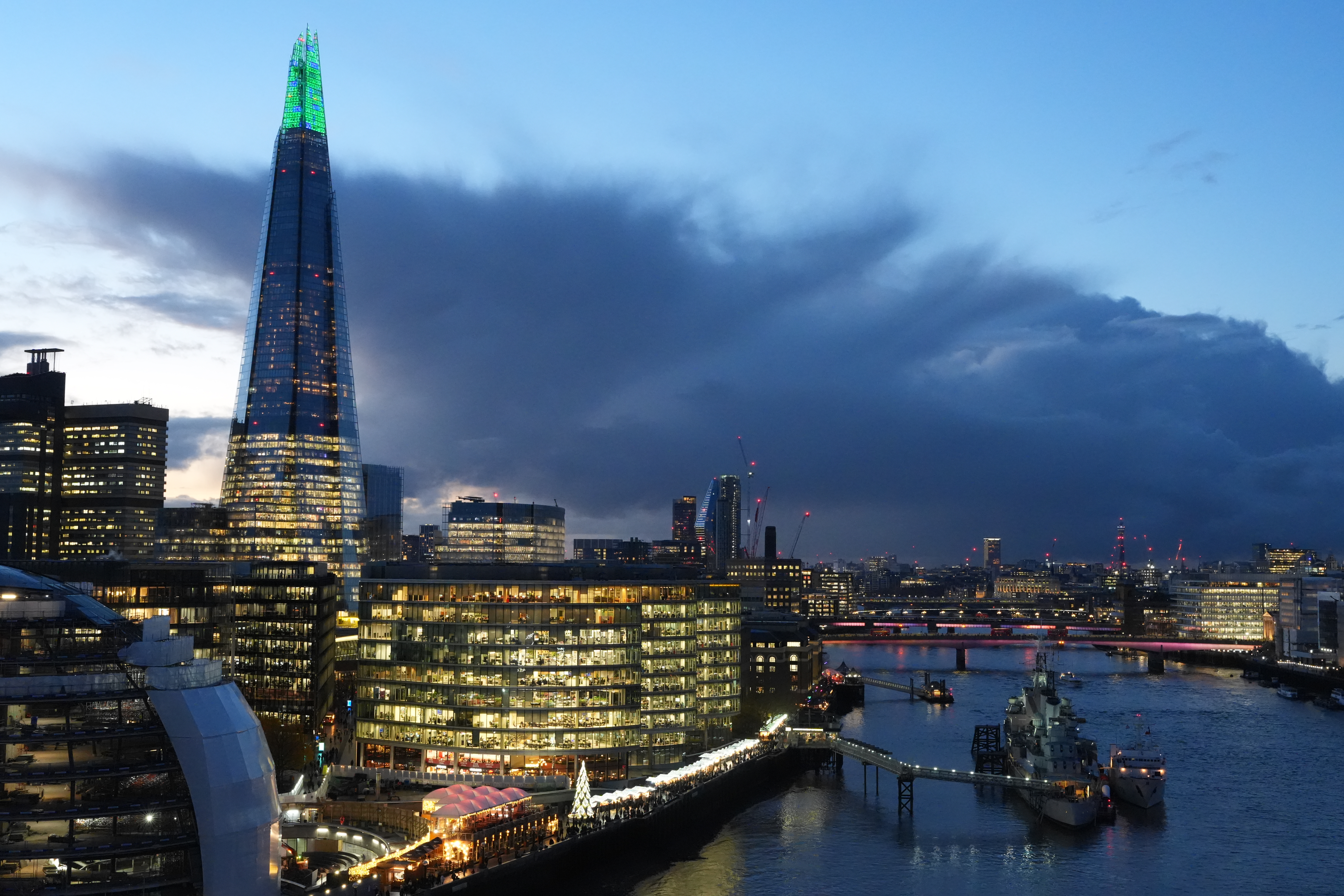
1/50s · f/8 · ISO 6400
50mm
Download Original
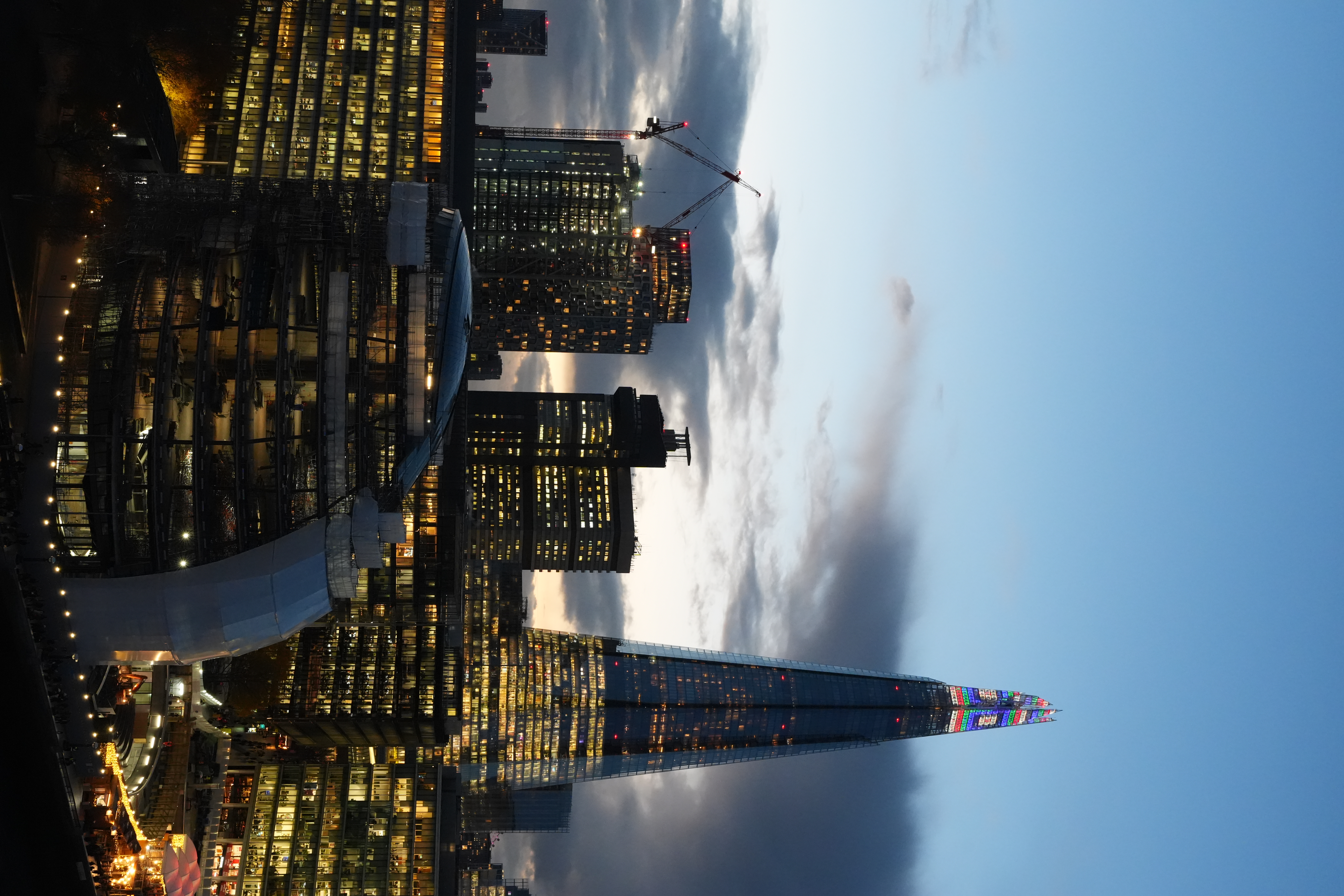
1/50s · f/8 · ISO 12800
50mm
Download Original
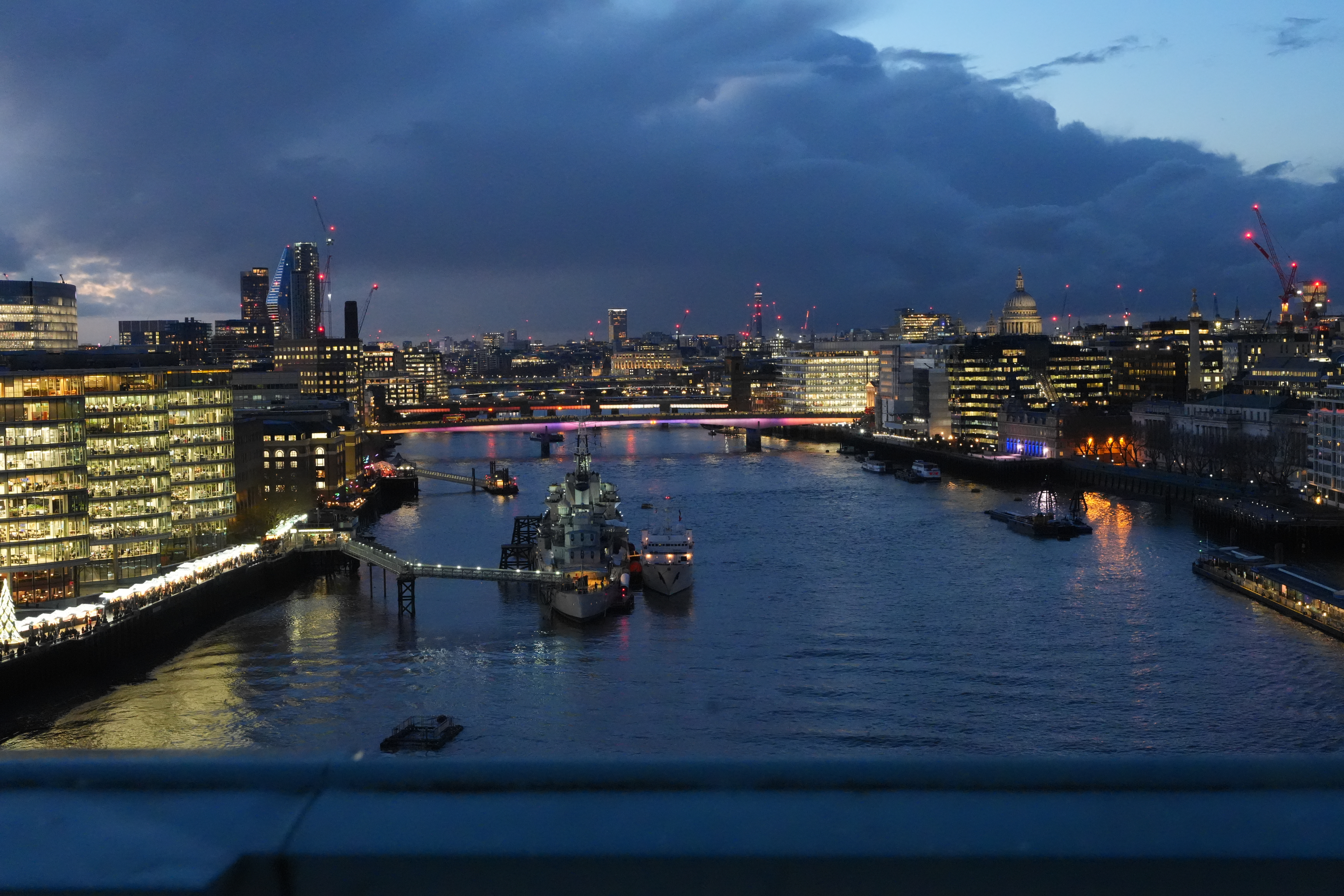
1/50s · f/8 · ISO 12800
50mm
Download Original
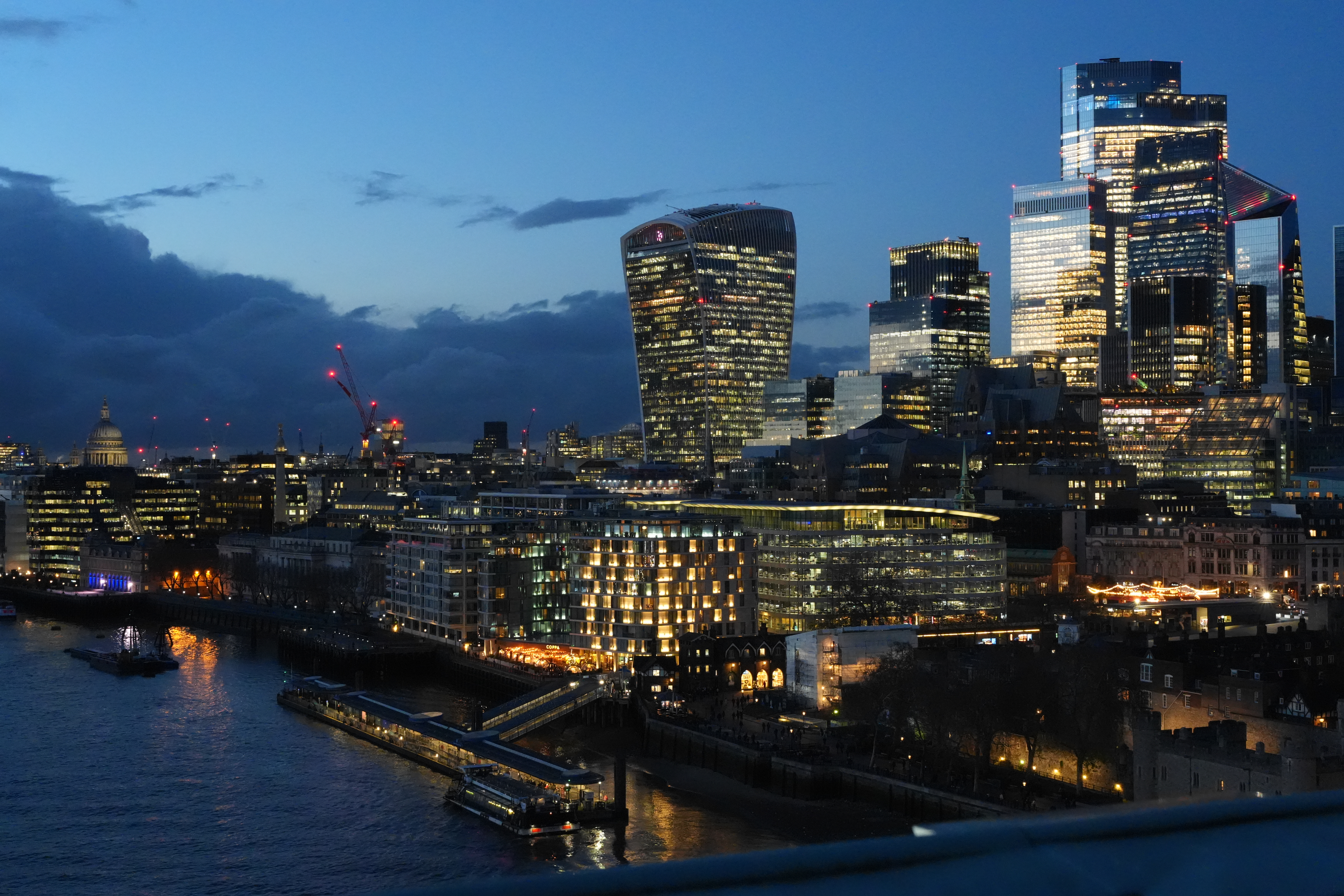
1/30s · f/8 · ISO 12800
24mm
Download Original
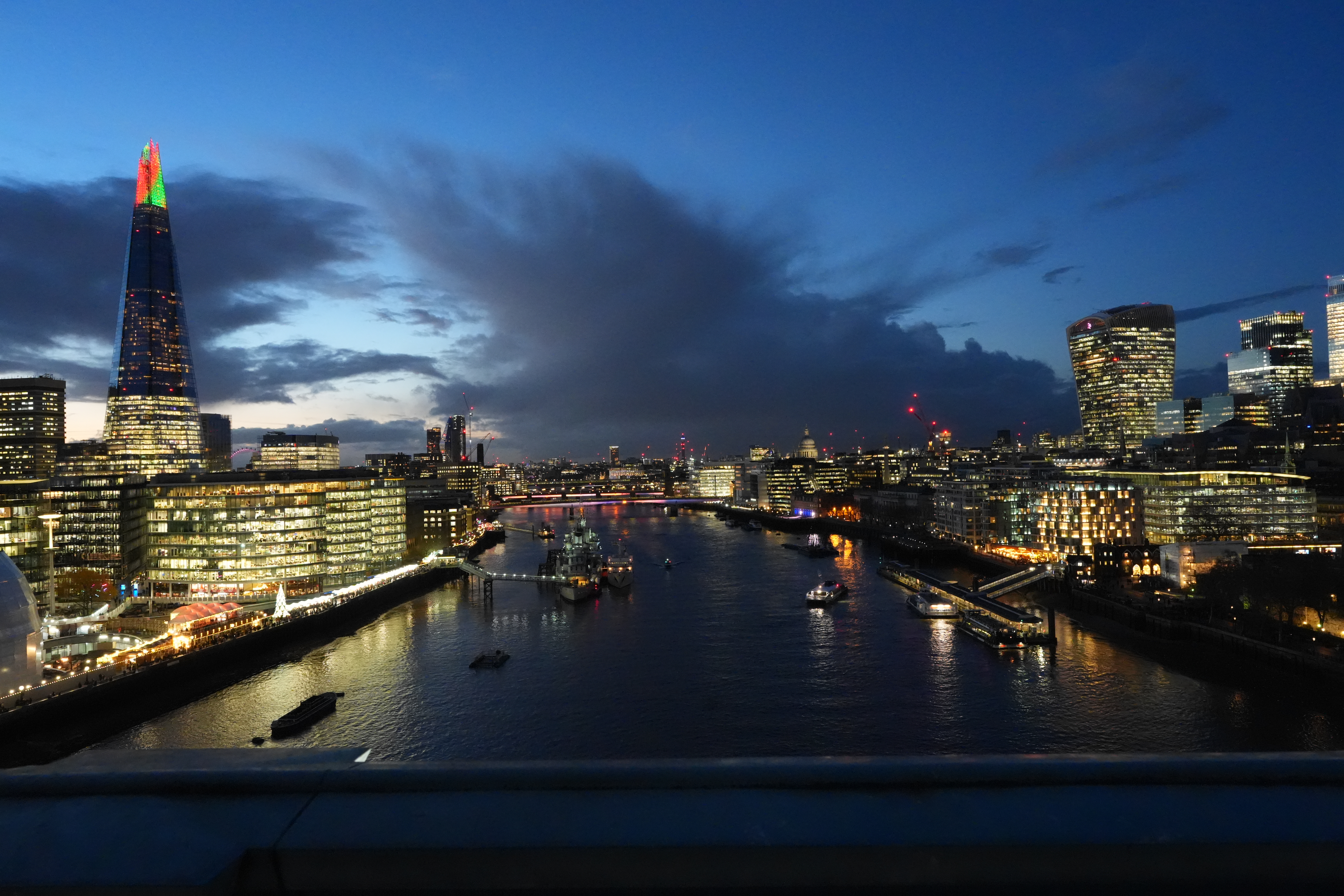
1/40s · f/8 · ISO 8000
40mm
Download Original
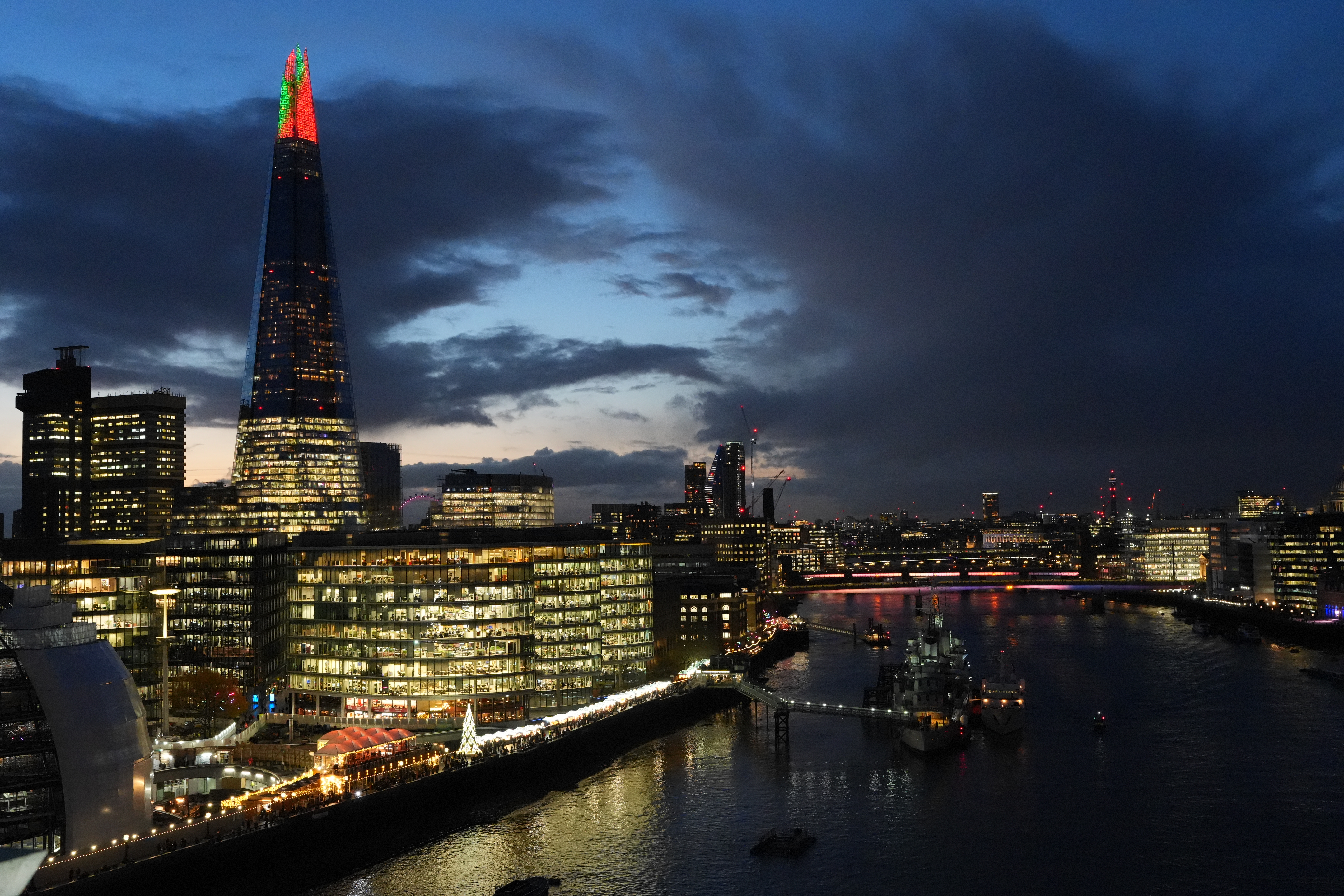
1/50s · f/5.6 · ISO 5000
50mm
Download Original
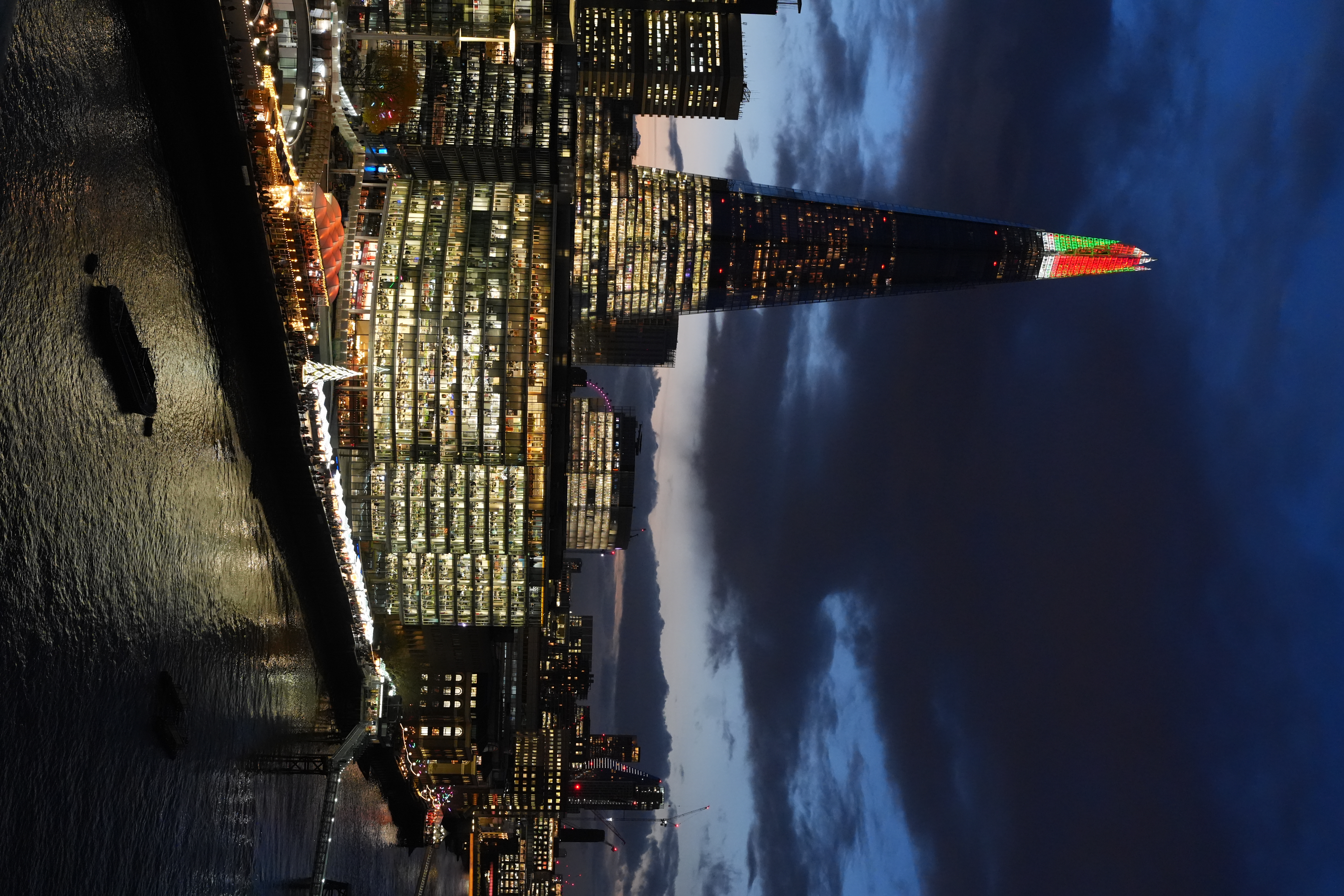
1/50s · f/5.6 · ISO 6400
50mm
Download Original
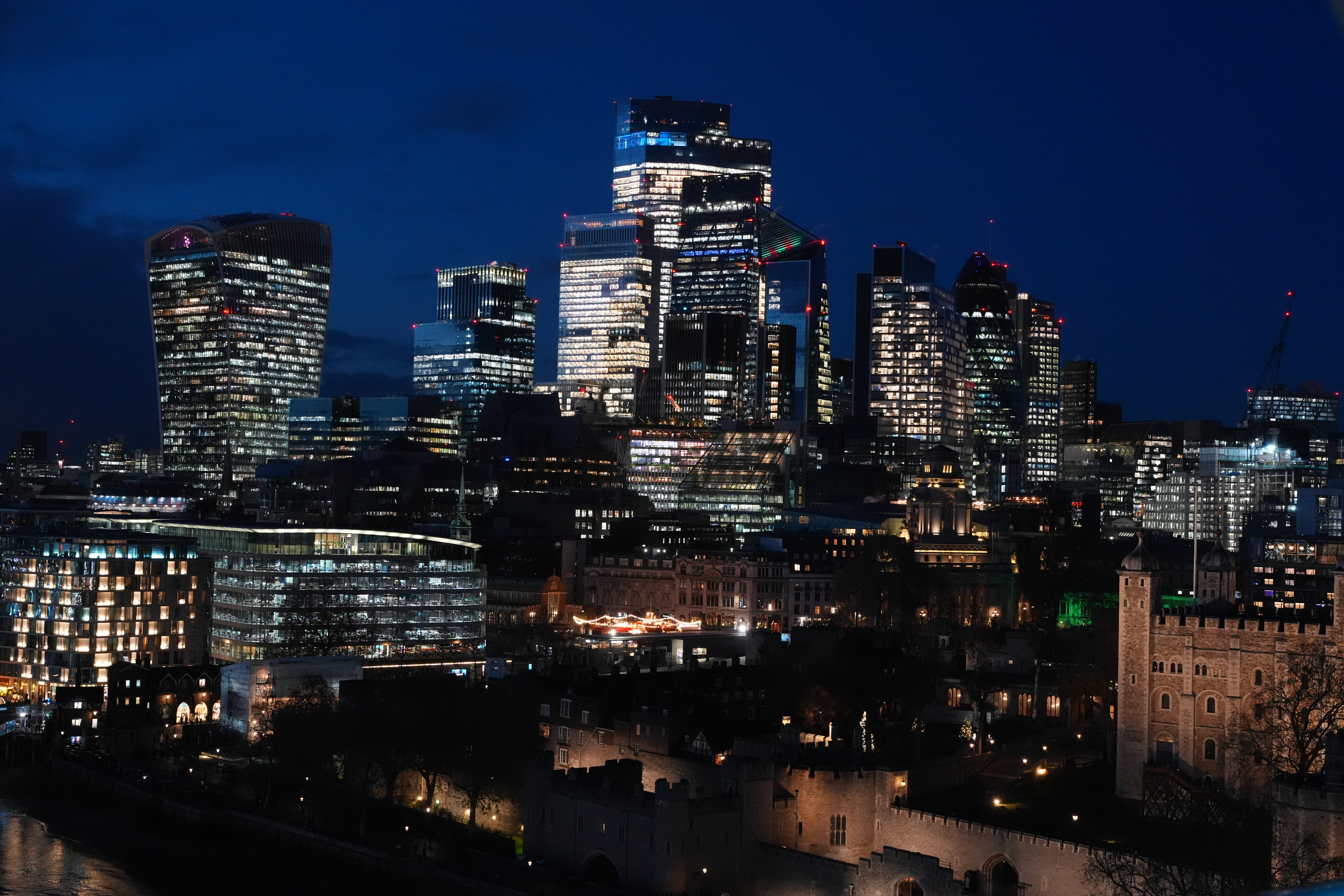
1/50s · f/2.8 · ISO 2500
48mm
Download Original

1/25s · f/8 · ISO 12800
24mm
Download Original
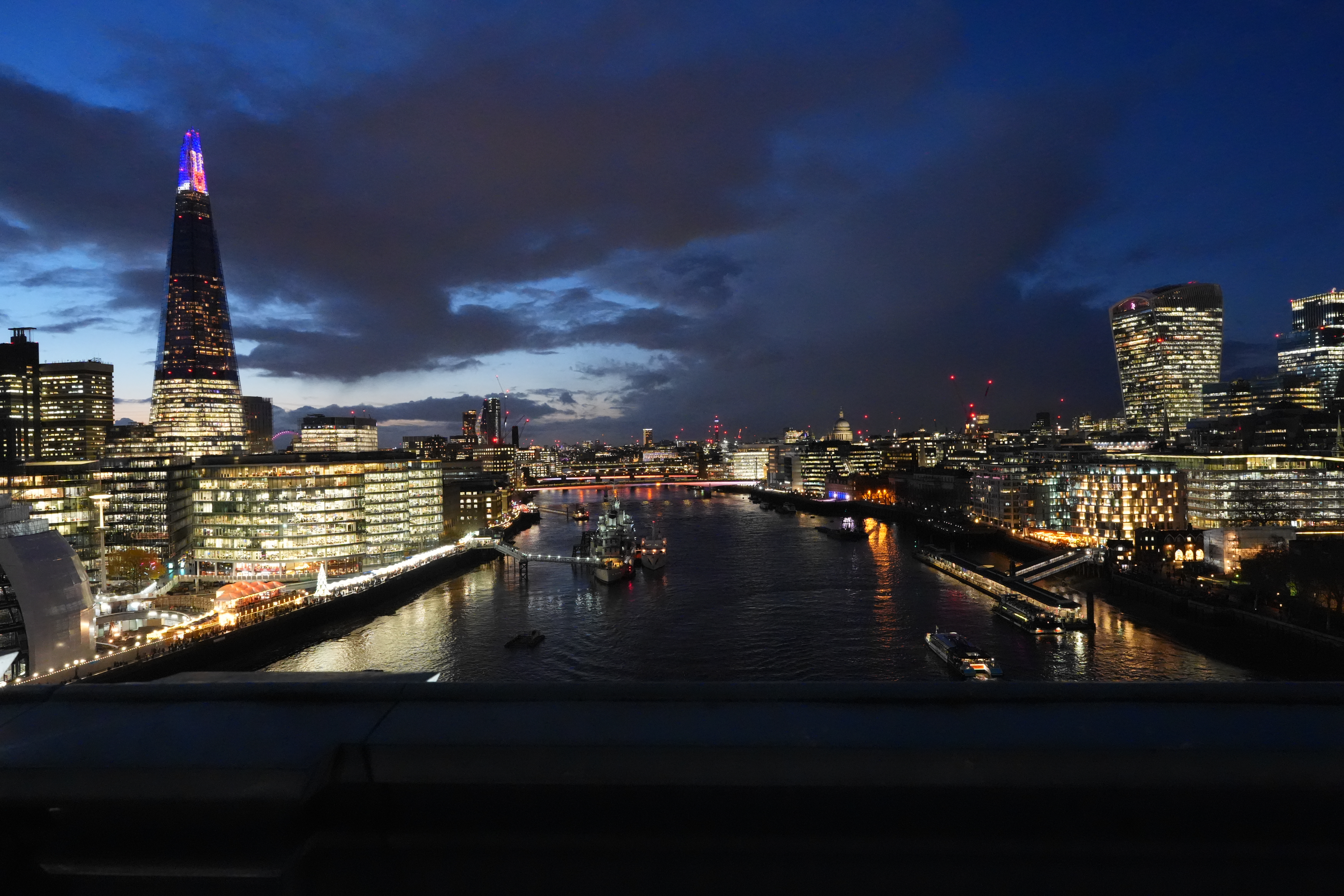
1/30s · f/8 · ISO 12800
50mm
Download Original
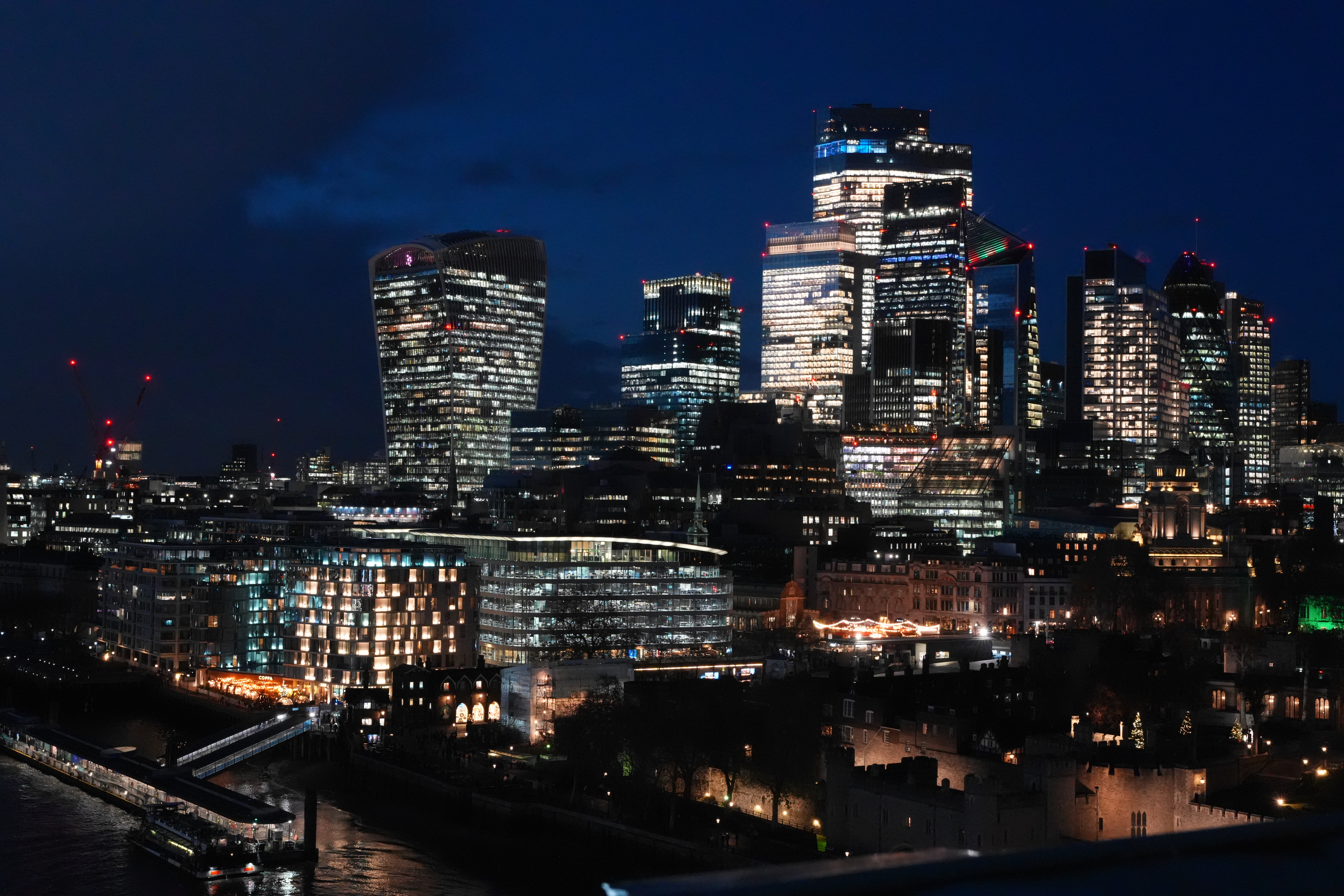
Sample RAW Images
The Sony A7 V enables users to capture RAW and JPEG format files. We've provided some Sony RAW (ARW) samples for you to download (thumbnail images shown below are not 100% representative).
Sample Movies & Video
Product Images
Main Rivals
Listed below are some of the rivals of the Sony A7 V.
Canon EOS R6 Mark III
We've kicked off our review of the Canon EOS R6 Mark III full-frame mirrorless camera with an overview, product shots, sample images, specifications and more...
Nikon Z8
As the spiritual successor to the popular D850 DSLR, the new Z8 full-frame mirrorless camera could turn out to be one of the most important products that Nikon have ever released. Read our in-depth Nikon Z8 review, complete with full-size sample photos and videos, to find out more about this mirrorless marvel...
Panasonic Lumix S1 II
The Lumix S1 II is a high-end hybrid camera that can shoot 24 megapixel photos at 70fps and record C4K/4K 120p video. We've kicked off our Panasonic S1 II review with an overview and product shots...
Panasonic Lumix S1 IIE
The Lumix S1 IIE is a brand new mid-range hybrid camera that can shoot 24 megapixel photos at 30fps and record C4K/4K 60p video with no crop. Read our full Panasonic S1 IIE review complete with sample photos and videos...
Panasonic Lumix S1R II
Panasonic are back with a bang with the launch of their enticing new full-frame flagship camera, the Lumix S1R II. Find out why you should seriously consider this all-singing, all-dancing 8K/30p / 44 megapixel hybrid all-rounder in our S1RII review, complete with full-size sample images and videos...
Sony A7 IV
The new Sony Alpha A7 IV is a new 33 megapixel, 4K/60p video, 10fps burst shooting, cutting-edge auto-focusing hybrid full-frame mirrorless model that pulls no punches in its bid to be the only camera that you need. Find out why we think this is one of the best all-round cameras of 2021 by reading our in-depth Sony A7 IV review...
Specifications
General
CAMERA TYPE
Interchangeable lens digital camera
LENS MOUNT
E-mount
Camera Section
SENSOR TYPE
35mm full frame (35.9 x 23.9 mm), Exmor RS CMOS sensor
NUMBER OF PIXELS (TOTAL)
Approx. 35.7 megapixels
NUMBER OF PIXELS (EFFECTIVE)
Still images: Approx. 33.0 megapixels max.,Movies: Approx. 27.6 megapixels max.
OPTICAL LOW PASS FILTER
Yes
COLOR TEMPERATURE RANGE
2500 K - 9900 K
Image Sensor
ANTI-DUST SYSTEM
Yes
Recording (still images)
RECORDING FORMAT
JPEG (DCF Ver. 2.0, Exif Ver. 2.32, MPF Baseline compliant), HEIF (MPEG-A MIAF compliant), RAW (Sony ARW 6.0 format compliant)
IMAGE SIZE (PIXELS) [3:2]
35mm full frame L: 7008 x 4672 (33 M), M: 4608 x 3072 (14 M), S: 3504 x 2336 (8.2 M)
Recording (movie)
VIDEO COMPRESSION
XAVC S: MPEG-4 AVC/H.264,XAVC HS: MPEG-H HEVC/H.265
AUDIO RECORDING FORMAT
LPCM 2ch (48 kHz 16 bit), LPCM 2ch (48 kHz 24 bit) LPCM 4ch (48 kHz 24 bit)
Recording System (movie)
MOVIE RECORDING FORMAT (XAVC HS 4K)
3840 x 2160 (4:2:0, 10bit) (Approx.):119.88p (200 Mbps),3840 x 2160 (4:2:0, 10bit) (Approx.):100p (200 Mbps),3840 x 2160 (4:2:0, 10bit) (Approx.):59.94p (150 Mbps / 75 Mbps / 45 Mbps),3840 x 2160 (4:2:0, 10bit) (Approx.):50p (150 Mbps / 75 Mbps / 45 Mbps),3840 x 2160 (4:2:0, 10bit) (Approx.):23.98p (100 Mbps / 50 Mbps / 30 Mbps),3840 x 2160 (4:2:2, 10bit) (Approx.):119.88p (280 Mbps),3840 x 2160 (4:2:2, 10bit) (Approx.):100p (280 Mbps),3840 x 2160 (4:2:2, 10bit) (Approx.):59.94p (200 Mbps / 100 Mbps),3840 x 2160 (4:2:2, 10bit) (Approx.):50p (200 Mbps / 100 Mbps),3840 x 2160 (4:2:2, 10bit) (Approx.):23.98p (100 Mbps / 50 Mbps)
MOVIE RECORDING FORMAT (XAVC S 4K)
3840 x 2160 (4:2:0, 8bit) (Approx.):119.88p (200 Mbps),3840 x 2160 (4:2:0, 8bit) (Approx.):100p (200 Mbps),3840 x 2160 (4:2:0, 8bit) (Approx.):59.94p (150 Mbps),3840 x 2160 (4:2:0, 8bit) (Approx.):50p (150 Mbps),3840 x 2160 (4:2:0, 8bit) (Approx.):29.97p (100 Mbps / 60 Mbps),3840 x 2160 (4:2:0, 8bit) (Approx.):25p (100 Mbps / 60 Mbps),3840 x 2160 (4:2:0, 8bit) (Approx.):23.98p (100 Mbps / 60 Mbps),3840 x 2160 (4:2:2, 10bit) (Approx.):119.88p (280 Mbps),3840 x 2160 (4:2:2, 10bit) (Approx.):100p (280 Mbps),3840 x 2160 (4:2:2, 10bit) (Approx.):59.94p (200 Mbps),3840 x 2160 (4:2:2, 10bit) (Approx.):50p (200 Mbps),3840 x 2160 (4:2:2, 10bit) (Approx.):29.97p (140 Mbps),3840 x 2160 (4:2:2, 10bit) (Approx.):25p (140 Mbps),3840 x 2160 (4:2:2, 10bit) (Approx.):23.98p (100 Mbps)
MOVIE RECORDING FORMAT (XAVC S HD)
1920 x 1080 (4:2:0, 8bit) (Approx.):119.88p (100 Mbps / 60 Mbps),1920 x 1080 (4:2:0, 8bit) (Approx.):100p (100 Mbps / 60 Mbps),1920 x 1080 (4:2:0, 8bit) (Approx.):59.94p (50 Mbps / 25 Mbps),1920 x 1080 (4:2:0, 8bit) (Approx.):50p (50 Mbps / 25 Mbps),1920 x 1080 (4:2:0, 8bit) (Approx.):29.97p (50 Mbps / 16 Mbps),1920 x 1080 (4:2:0, 8bit) (Approx.):25p (50 Mbps / 16 Mbps),1920 x 1080 (4:2:0, 8bit) (Approx.):23.98p (50 Mbps),1920 x 1080 (4:2:2, 10bit) (Approx.):59.94p (50 Mbps),1920 x 1080 (4:2:2, 10bit) (Approx.):50p (50 Mbps),1920 x 1080 (4:2:2, 10bit) (Approx.):29.97p (50 Mbps),1920 x 1080 (4:2:2, 10bit) (Approx.):25p (50 Mbps),1920 x 1080 (4:2:2, 10bit) (Approx.):23.98p (50 Mbps)
MOVIE RECORDING FORMAT (XAVC S-I 4K)
3840 x 2160 (4:2:2, 10bit) (Approx.):59.94p (600 Mbps),3840 x 2160 (4:2:2, 10bit) (Approx.):50p (500 Mbps),3840 x 2160 (4:2:2, 10bit) (Approx.):29.97p (300 Mbps),3840 x 2160 (4:2:2, 10bit) (Approx.):25p (250 Mbps),3840 x 2160 (4:2:2, 10bit) (Approx.):23.98p (240 Mbps)
MOVIE RECORDING FORMAT (XAVC S-I HD)
1920 x 1080 (4:2:2, 10bit) (Approx.):59.94p (222 Mbps),1920 x 1080 (4:2:2, 10bit) (Approx.):50p (185 Mbps),1920 x 1080 (4:2:2, 10bit) (Approx.):29.97p (111 Mbps),1920 x 1080 (4:2:2, 10bit) (Approx.):25p (93 Mbps),1920 x 1080 (4:2:2, 10bit) (Approx.):23.98p (89 Mbps)
Movie Functions
SLOW & QUICK MOTION (SHOOTING FRAME RATE)
Yes
PROXY RECORDING
Yes
TC / UB
Yes
RAW OUTPUT
-
Recording System
MEMORY CARD SLOT
SLOT1: Multi slot for SD (UHS-I/II compliant) memory card / CFexpress 2 Type A card, SLOT2: Slot for SD (UHS-I/II compliant) memory card
Focus System
FOCUS TYPE
Fast Hybrid AF (phase-detection AF / contrast-detection AF)
FOCUS POINT
Still images: Max. 759 points (phase-detection AF),Movies: Max. 759 points (phase-detection AF)
FOCUS SENSITIVITY RANGE
EV-4 to EV20 (ISO100 equivalent with F2.0 lens attached in AF-S)
RECOGNITION TARGET (STILL IMAGES)
Auto,Human,Animal,Bird,Insect,Car,Train,Airplane
RECOGNITION TARGET (MOVIES)
Auto,Human,Animal,Bird,Insect,Car,Train,Airplane
OTHER FEATURES
AF Level for Crossing (Still),AF Track for Speed Change (Still),AF Subj. Shift Sensitivity (Movie),AF Transition Speed (Movie),Switch V/H AF Area,AF Area Regist.,Circ. of Focus Point,Focus Map (Movie),AF Assist (Movie)
AF ILLUMINATOR
Yes (with Built-in LED type)
Exposure Control
METERING TYPE
1200-zone evaluative metering
METERING SENSITIVITY
EV-3 to EV20 (ISO100 equivalent with F2.0 lens attached)
EXPOSURE COMPENSATION
+/- 5.0 EV (1/3 EV, 1/2 EV steps selectable)
ISO SENSITIVITY
Still images: ISO 100 - 51200 (expandable to ISO 50 - 204800), AUTO (ISO 100 - 12800, selectable lower limit and upper limit),Movies: ISO 100 - 51200 equivalent (expandable to ISO 100 - 102400), AUTO (ISO 100 - 12800, selectable lower limit and upper limit)
ANTI-FLICKER SHOOT.
Yes
Viewfinder
TYPE
1.3 cm (0.5-type) electronic viewfinder (Quad-VGA OLED)
NUMBER OF DOTS
3 686 400 dots
MAGNIFICATION
Approx. 0.78x (with 50 mm lens at infinity, -1 m-1)
DIOPTRE
-4.0 to +3.0 m-1
EYE POINT
Approx. 23 mm from the eyepiece lens, 18.5 mm from the eyepiece frame at -1 m-1 (CIPA standard)
FINDER FRAME RATE SELECTION
STD 60fps / HI 120fps
LCD Screen
MONITOR TYPE
8.0 cm (3.2-type) type TFT
TOUCH PANEL
Yes
NUMBER OF DOTS
2 095 104 dots
ADJUSTABLE ANGLE
Opening Angles (approx. ): Up 98 °, down 40 °, side 180 °, rotation 270 °
Other Features
OTHER FEATURES
Soft Skin Effect,Creative Look,Custom function,Picture Profile,Time-lapse,Auto Framing,Pre-Capture,Continuous Shooting Speed Boost,NR Shooting,HDR Shooting,Framing Stabilizer,Vertical Display
CLEAR IMAGE ZOOM (STILL IMAGES)
Approx. 2x
CLEAR IMAGE ZOOM (MOVIES)
Approx. 1.5x (4K), Approx. 2x (HD)
Shutter
SHUTTER TYPE
Mechanical shutter / Electronic shutter
SHUTTER SPEED
Still images (Electronic shutter): 1/16000 to 30 s,Still images (Mechanical shutter): 1/8000 to 30 s, Bulb,Movies: 1/8000 to 1 s
FLASH SYNC. SPEED
1/250 s (35mm full frame), 1/320 s (APS-C)
ELECTRONIC FRONT CURTAIN SHUTTER
Yes (ON/OFF)
Image Stabilization
TYPE
Image sensor-shift mechanism with 5-axis compensation (compensation depends on lens specifications)
COMPENSATION EFFECT
Center 7.5 stops and Periphery 6.5 stops (based on CIPA2024 standard. Pitch/Yaw/Roll compensation. With FE 50mm F1.2 GM lens mounted. Long exposure NR off.)
MODE
Still images: On / Off,Movie: Dynamic active / Active / Standard / Off
Flash
TYPE
-
CONTROL
Pre-flash TTL
FLASH COMPENSATION
+/- 3.0 EV (switchable between 1/3 and 1/2 EV steps)
EXTERNAL FLASH COMPATIBILITY
Sony α System Flash compatible with Multi Interface Shoe, attach the shoe adaptor for flash compatible with Auto-lock accessory shoe
Drive
CONTINUOUS DRIVE SPEED (APPROX. MAX.)
Electronic Shutter: Hi+: 30 fps,Mechanical Shutter: Hi+: 10 fps
NO. OF FRAME RECORDABLE (APPROX.)
JPEG Fine L: 185 frames 17 ,RAW: 95 frames 17 ,RAW & JPEG: 85 frames 17 ,RAW (Compressed (HQ)): 35 frames 17 ,RAW (Compressed (HQ)) & JPEG: 35 frames 17 ,RAW (Lossless Compressed): 35 frames 17 ,RAW (Lossless Compressed) & JPEG: 35 frames 17
PIXEL SHIFT MULTI SHOOTING
-
Playback
MODES
Enlarged display mode,Protect,Rating,Shot Mark (Movie),Divider Frame,Crop,Photo Capture
Accessibility
FUNCTIONS
Screen Reader,Mode Dial Control Set,Focus Magnifier,Focus Map (Movie),Peaking Display,Subject Recognition in AF,Touch Focus,Touch Tracking,Touch Shutter,Touch AE,Multi-angle LCD screen,Custom function,Enlarge Menu Screen
Interface
PC INTERFACE
Mass-storage / MTP
MULTI / MICRO USB TERMINAL
- 18
USB TYPE-C TERMINAL
Yes (PORT1: SuperSpeed USB 10 Gbps (USB 3.2) compatible, PORT2: Hi-Speed USB 480 Mbps (USB 2.0) compatible)
NFC
-
SYNC TERMINAL
-
WIRELESS LAN(BUILT-IN)
Yes (Wi-Fi Compatible, IEEE 802.11a/b/g/n/ac/ax (2.4 GHz band/5 GHz band/6 GHz band)) 19
BLUETOOTH
Yes (Bluetooth Standard Ver. 5.3 (2.4 GHz band))
HDMI OUTPUT
HDMI connector (Type-A),3840 x 2160 (59.94p / 50p / 29.97p / 25p / 23.98p) / 1920 x 1080 (59.94p / 50p / 23.98p) / 1920 x 1080 (59.94i / 50i), YCbCr 4:2:2 10bit / RGB 8bit
MULTI INTERFACE SHOE
Yes (with Digital Audio Interface) 20
MIC TERMINAL
Yes (3.5 mm Stereo minijack)
HEADPHONE TERMINAL
Yes (3.5 mm Stereo minijack)
REMOTE CONTROL (WIRELESS)
Yes (Bluetooth remote control)
FUNCTIONS
FTP Transfer Func. (Wired LAN (USB-LAN), USB Tethering, Wi-Fi),Send to smartphone,Remote control via smartphone,Remote Shooting
USB Streaming
VIDEO DATA FORMAT
MJPEG,YUV420 21
VIDEO RESOLUTION
3840 x 2160 (15p / 30p),3840 x 2160 (12.5p / 25p),1920 x 1080 (30p / 60p),1920 x 1080 (25p / 50p),1280 x 720 (30p),1280 x 720 (25p)
AUDIO DATA FORMAT
LPCM 2ch (16bit 48 kHz)
Audio
MICROPHONE
Built-in, stereo
SPEAKER
Built-in, monaural
Lens Compensation
SETTING
Shading, Chromatic Aberration, Distortion, Breathing (Movie)
Power
SUPPLIED BATTERY
One rechargeable battery pack NP-FZ100
BATTERY LIFE (STILL IMAGES)
Approx. 630 shots (Viewfinder) / Approx. 750 shots (LCD monitor) (CIPA standard) 22
BATTERY LIFE (MOVIE, ACTUAL RECORDING)
Approx. 130 min (Viewfinder) / Approx. 135 min (LCD monitor) (CIPA standard) 23
BATTERY LIFE (MOVIE, CONTINUOUS RECORDING)
Approx. 210 min (Viewfinder) / Approx. 210 min (LCD monitor) (CIPA standard)
INTERNAL BATTERY CHARGE
Yes (Available with USB Type-C terminal. USB Power Delivery compatible) 24
USB POWER SUPPLY
Yes (Available with USB Type-C terminal. USB Power Delivery compatible)
POWER CONSUMPTION WITH VIEWFINDER
Still images: Approx. 3.1 W (with FE 28-70mm F3.5-5.6 OSS lens attached),Movies: Approx. 4.7 W (with FE 28-70mm F3.5-5.6 OSS lens attached)
POWER CONSUMPTION WITH LCD SCREEN
Still images: Approx. 2.6 W (with FE 28-70mm F3.5-5.6 OSS lens attached),Movies: Approx. 4.7 W (with FE 28-70mm F3.5-5.6 OSS lens attached)
Size & Weight
WEIGHT (WITH BATTERY AND MEMORY CARD INCLUDED)
Approx. 695 g / Approx. 1 lb 8.6 oz
BODY ONLY
Approx. 610 g /Approx. 1 lb 5.6 oz
DIMENSIONS (W X H X D)
Approx. 130.3 x 96.4 x 82.4 mm, Approx. 130.3 x 96.4 x 72.3 mm (from grip to monitor)/Approx. 5 1/4 x 3 7/8 x 3 1/4 inches, Approx. 5 1/4 x 3 7/8 x 2 7/8 inches (from grip to monitor)
Operating temparature
OPERATING TEMPERATURE
0 - 40 ℃ / 32 - 104 °F
Supplied Accesory
WHAT'S IN THE BOX
Rechargeable Battery NP-FZ100,Shoulder strap,Body cap,Accessory shoe cap,Eyepiece cup
Your Comments
- Introduction
- Ease of Use
- Image Quality
- Sample Images
- Product Images
- Conclusion
- Main Rivals
- Specifications
- Comment
Loading comments…