
Nikon ZR Review

Introduction
The Nikon ZR is a hybrid cinema camera offering 6K 60p internal RAW video recording and 24.5 megapixel still photos.
Marking the beginning of a “New Imaging Era”, this is the first Nikon body with a video-first focus, following Nikon's acquisition of RED in March 2024.
Featuring Nikon / RED and Z Cinema branding, the ZR uses the semi-stacked full-frame sensor from the Z6 III model.
The ZR weighs 540g (body only) whilst being fully weather sealed and is designed to be used stand-alone without compromise or fully integrated into professional setup.
It's the first Nikon body to include RED colour science, available via a separate option within the camera. The new “R3D NE (Nikon Edition)” format uses the same RedWideGamutRGB colour science and Log3G10 log curves as RED cameras, only recorded as12bit RAW in-camera (higher end RED cameras can shoot 16bit Raw).
This new video format also enables ZR footage to be matched with video shot on a RED camera system.
There are 3x RAW video formats – R3D NE, N-RAW and ProRes Raw – all 12bit internal recording, with 10bit ProRes422, HQ, H.265 and 8bit H.265, H.264 also available.
The ZR offers up to 15+ stops dynamic range for R3D NE only and Log3G10 Dual Base ISO 800 / 6400, again for R3D NE only.
It offers 6K/60p RAW, 4K/120p RAW with 1.5x crop, and FHD/240p (10bit H.265) recording.
You can view LUTs as you shoot and load up to 10 in-camera, with 17, 33 and 65-point LUTs supported. They are not burned into footage and are only available for the R3D NE format.
4 creative video modes and 9 custom RED presets for content offer a cinematic look and feel straight out of the camera.
The ZR is the first ever camera to offer internally recorded 32-bit Float Audio, which also applies to external mics too. The camera has 3 mics and can use Nokia Ozo audio technology to offer directional sound from 5 different directions.
The new ME-D10 shotgun MIC accessory offers 32-bit float support and uses the ZR's digital hot-shoe, another first for Nikon cameras.
On the rear is a 16:10 4-inch LCD screen with 3070k resolution, 1000nit brightness and DCI-P3 colour, which does away with the need for an external monitor. Vertical recording is supported, which is saved in metadata so you don’t have to change in post.
The ZR has a fanless design which Nikon says provides 125 mins continuous powered recording or 95 mins on battery, with the materials used in-body to dissipate the heat.
It features quite different ergonomics to usual Nikon cameras, with a dedicated Photo/Video mode and new menu system for video.
It offers the same auto-focus system as the Z9/8/6 III models and a brand new focus breathing compensation feature (with a small crop).
It takes advantage of having no fan to offer the same level of weather-sealing as the Z6 III, and the same 5-axis Vibration Reduction system has also been incorporated.
Still image quality is claimed to be the same as the Z6 III, with 24.5 megapixel stills and -10EV sensitivity.
The Nikon ZR is available in black priced at £2199.99 / €2449.99 / $2199.99 body only in the UK, Europe and USA respectively. It is designed and made in Japan.
Ease of Use
|
The ZR marks a big departure for Nikon mirrorless cameras, featuring a boxy rectangular design with no electronic viewfinder and therefore no pentaprism.
If you're migrating from a Z6/7 or adding the ZR to your existing arsenal of cameras, it will certainly take some time to get familiar with the much more pared back approach of this new Nikon.
This is very much a video-first camera, but Nikon certainly haven't forgotten the stills side of things - indeed, the ZR offers very similar photographic output to the Z6 III on which it's clearly based, so if you don't mind the lack of an EVF and a mechanical shutter, it will happily deliver the same image quality as the stills alternative, at at even cheaper price.
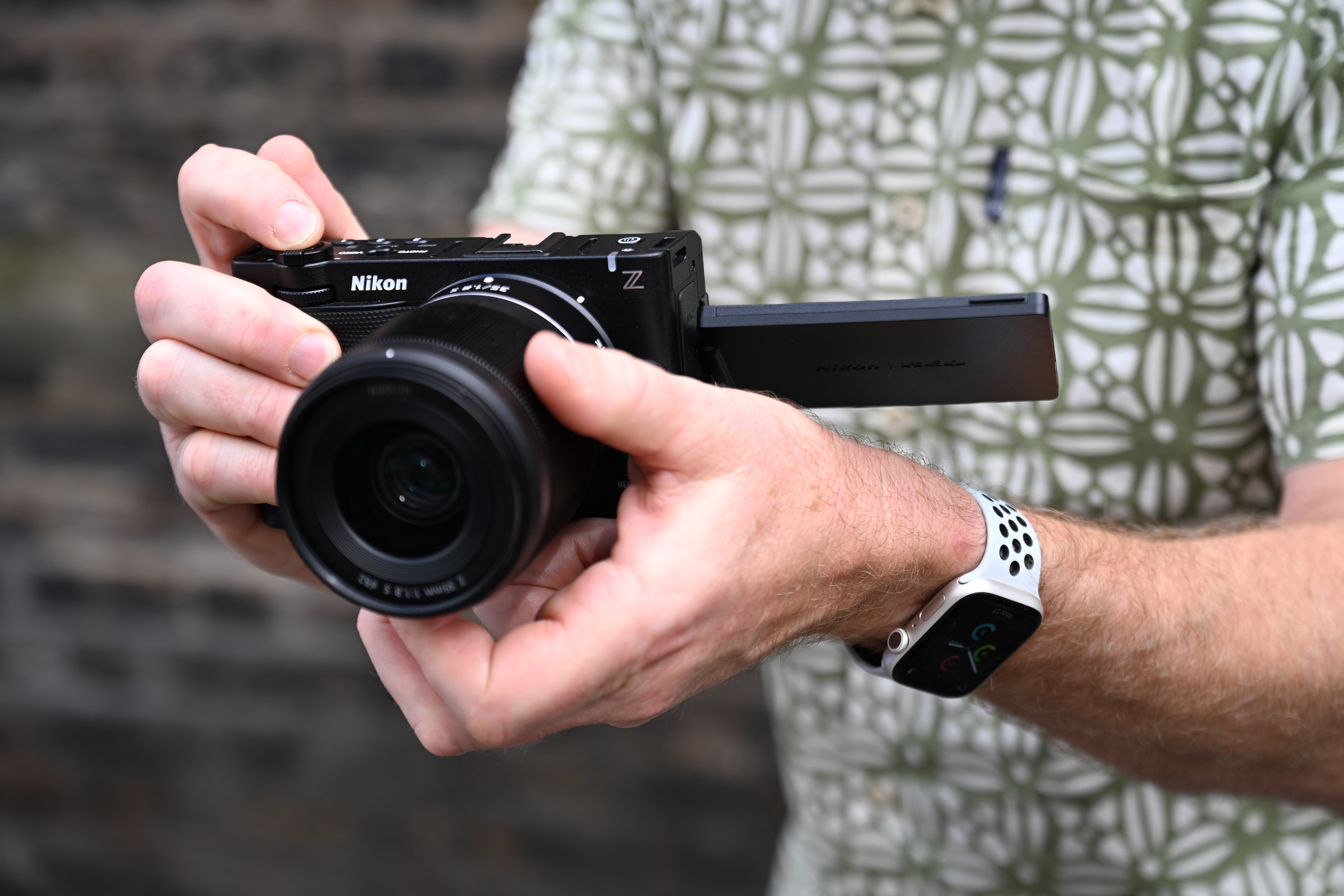
Measuring 133mm x 80.5mm x 48.7mm and weighing 540g body only or 630g with a battery and memory card fitted, fitted, the ZR is significantly smaller and lighter than the Z6 III largely thanks to the removal of the EVF and the much smaller handgrip.
For composition there's a huge 4-inch vari-angle LCD screen which dominates the rear of the camera and is a veritable joy to use. As you'd expect it tilts out to the side and rotates towards the front for video use as well as being able to turn it towards the back of the cameras to protect it from damage when carrying it in a camera bag.
|
The 16:10 aspect ratio screen is large enough and has sufficient resolution to be the only monitor that videographers need, especially as it supports the P3 color gamut, so you don't have to also budget for an external screen. It also make it easier to shoot stills hand-held, although as always holding the camera at arms length is never as good as using an eye level finder.
There are very few external controls on this camera considering the amount of tech and features that are on offer, with a lot more interaction than usual being done via the touchscreen, which is much more inline with the video-centric nature of the ZR.
On top of the ZR is a power button on the left-hand side, then the digital hotshoe which accepts flashguns and other accessories, flanked by a pair of microphones.
Over on the right is a red shutter release/video record button encircled by a rocker lever with +/- symbols which by default magnifies the current view but can alternatively be used to zoom in and out with compatible power zoom lenses such as the NIKKOR Z 28‑135mm f/4 PZ that we were sent for some of our testing.
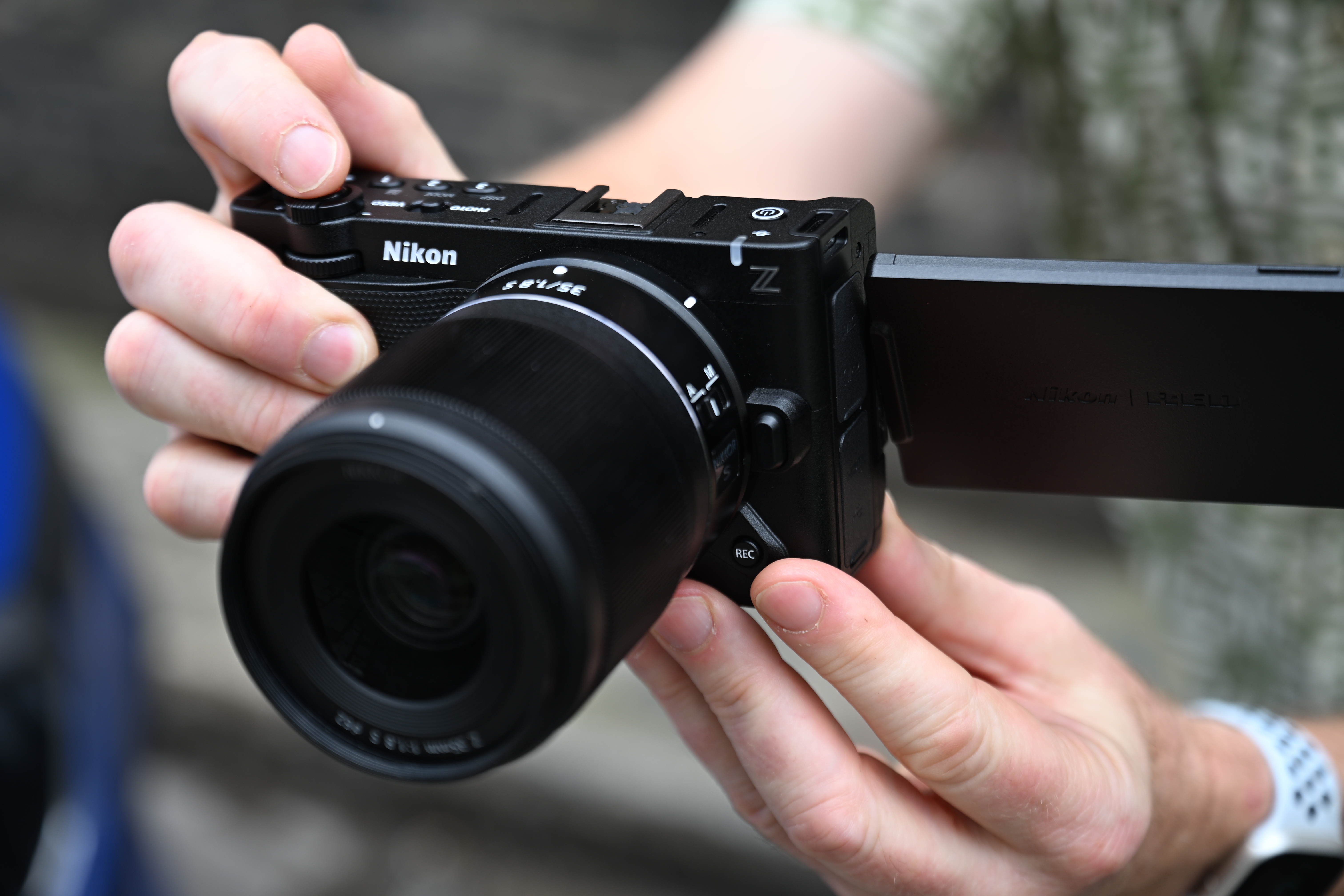
In addition to the main record button, there is a second smaller one on the front of the ZR which is useful when holding it vertically - note that it only works for video and not also stills.
|
A large Photo / Video switch does what you'd expect and quickly toggles between the two shooting modes, with the entire user interface and menu system changing accordingly.
Three numbered buttons complete the top-panel of the ZR, which by default provide access to the Display modes, shooting modes and exposure compensation but can be customised to suit your particular way of using the camera.
Thankfully there are dual front and rear control dials for setting the aperture and shutter speed which work exactly the same way in both the photo and video modes.
There are just three buttons on the rear of the ZR to the right of the large LCD screen - a thumb-operated joystick for auto-focusing and moving around the interface, a quick menu button, and a playback button. The only way to get to the main menu system on this camera is by pressing the Quick Menu button and then choosing the last menu option - there is no dedicated button.
You'll find a vast array of settinsg in the main menu, most of which you're unlikely to change on quite as regular a basis as those settings found in the quick menu.
|
There are several pages to move through, but they are reasonably well-organised into a set of different folders, such as Playback, Photo Shooting, Movie Shooting, Custom Settings, Setup and a Retouch menu.
There's also a “My Menu”, where you can save any menu settings which you access frequently, to save you scrolling through pages of menus to find the exact setting which you need.
On the left hand side of the camera is where you'll find all the ports housed underneath two rubber flaps, including a headphone and microphone jack, a micro HDMI port, a remote control port and a USB-C port which you can use for charging the camera. The camera’s external mic input can be used as a line-level input for pro-quality sound.
Dual memory card slots are located insided the battery compartment on the bottom of the camera. There's one slot for XQD / CFExpress, while the secondary slot rather unusally accepts Micro SD (UHS-I) format cards. Given the smaller size of the cameras it presumably wouldn't be possible to put two XQD shaped slots here, so it's a pretty good compromise to have the smaller format alongside the more rugged / faster format.
The ZR has the ability to charge the camera while it is recording stills/video, which could be useful or videographers looking to extend the recording times. Battery life from the EN‑EL15c rechargeable Li-ion battery is quoted as up to 90-125 minutes of continuous recording or 390 stills according to CIPA standards.
|
The ZR offers 12-bit 6K and oversampled 4K RAW (N-RAW and ProRES RAW ) recording internally up to 60fps for N-RAW and 30fps for ProRES, plus regular 4K at up to 120fps (1.5x crop) and 10x slow motion up to 240fps in Full HD.
Internal recording is also supported with 10-bit color and 4:2:2 sampling in the ProRes 422 HQ codec and 4:2:0 sampling in the H.265 codec at 5.4K 30p and 5.4K 60p.
The maximum recording time is an impressive 125 minutes depending on the selected format, despite the absence of a cooling fan or other heat-dissipating design.
The inclusion of Red Color Science is what sets the ZR apart from the very similarly specced Z6 III. This new “R3D NE (Nikon Edition)” format uses the same RedWideGamutRGB colour science and Log3G10 log curves as RED cine cameras, only recorded as 12bit RAW in-camera (higher end RED cameras can shoot 16bit Raw).
This allows you not only to get the look and feel of much more expensive RED cameras at a budget price, but also to accurately color match between the ZR and Red's top-end Komodo and Raptor cameras if you want to use the ZR as a b-camera.
|
Nikon have further enhanced this new format by working with RED to provide a number of RED picture controls so that you don't neccessarily have to edit the RAW footage in post-production to get the cinematic look that you want.
Curiously only one of these special profiles is provided in-camera out-of-the box - RedCine_Bias Picture Control which gives video a classic cinematic look - with the others available for free from the Nikon Imaging Cloud service.
Impressively the ZR has a completely fanless design, which allows it to be both completely weather sealed like the Z6 III and also become the world's first camera to offer internal 32-bit float audio. This allows it to record a much wider range of values than traditional 16 or 24-bit encoding.
Much like the large LCD screen, this allows you to shoot with the ZR as it is out-of-the-box and not have to rely on expensive external accessories to get the best out of it.
The ZR is capable of shooting at 120fps (10MP DX-format JPEGs), or 60fps (24MP full-frame JPEGs), or 20fps (up to 1,000 24MP full-frame RAWs), all using the electronic shutter, or 14fps with the mechanical shutter.
|
It also boasts Pre-Release Capture, a great feature that makes it easier to capture the decisive moment even when shooting at 120fps. When activated, the camera can buffer images up to 1 second before you fully depress the shutter button. Burst shooting then starts when the shutter is half-pressed and the buffer will retain up to 4 seconds' worth of frames after fully pressing the shutter.
There is one important caveat when using this mode, which applies to all the Nikon camera that offer it to date. Pre-Release Capture is only available when shooting JPEGs, not RAW files.
On a more positive note, the Nikon ZR can shoot at 60fps at full resolution in the Pre-Release Capture mode, something that no other Nikon camera can match with the exception of the Z6 III, including both the Z8 and Z9 (they both reduce the resolution to 19 megapixels).
The ZR uses the same auto-focus system from the Z6 III which is very similar to the one found on the flagship Z8/Z9.
The 493-point phase-detection AF system covers the full sensor area and AF calculations are conducted at up to 120fps to keep up with the fast continuous shooting speeds.
|
3D Tracking AF inherited from the company's DSLR cameras helps the ZR to track fast-moving subjects, with the camera using a single AF point to track whatever's underneath it while you half-press the shutter button.
It also inherits most, but not all, of the subject recognition modes that are available on the Zf, Z8 and Z9, with the notable exception of a dedicated bird detection mode which is part of the more general animal detection mode.
When paired with an F1.2 lens, the ZR boasts AF sensitivity that means it can auto-focus down to an incredible -10EV, even when not using the special Starlight AF shooting mode.
The Nikon ZR offers an impressive 8.0 stops of 5-axis image stabilisation built into the camera’s body plus there's electronic-VR for video recording. The optional Focus Point VR feature stabilises the area around the active focus point when shooting stills.
|
Image Quality
All of the sample images in this review were taken using the 24.5 megapixel Fine* JPEG setting, which produces an average image size of around 9Mb.
Noise
The base sensitivity of the Nikon ZR is ISO 100 but you can go down to ISO 50 (L1.0) if you wish. At the other end of the scale, the highest native sensitivity is ISO 64000, but boosted settings including ISO 102400 and ISO 204800 are also available. Here are some 100% crops which show the noise levels for each ISO setting, with JPEG on the left and RAW on the right.
| JPEG | RAW |
| ISO 50 | ISO 50 |
| |
| ISO 100 | ISO 100 |
| |
| ISO 200 | ISO 200 |
| |
| ISO 400 | ISO 400 |
| |
| ISO 800 | ISO 800 |
| |
| ISO 1600 | ISO 1600 |
| |
| ISO 3200 | ISO 3200 |
| |
| ISO 6400 | ISO 6400 |
| |
| ISO 12800 | ISO 12800 |
| |
| ISO 25600 | ISO 25600 |
| |
| ISO 51200 | ISO 51200 |
| |
| ISO 102400 | ISO 102400 |
| |
| ISO 204800 | ISO 204800 |
| |
File Quality
The Nikon ZR has two different file options - Raw and JPEG - with three compression options available for Raw and 6 for JPEG. Here are some 100% crops which show the differences between them all, with the full image size shown in brackets.
| Fine* JPEG (9.7Mb) | Fine JPEG (7.7Mb) |
| |
| Normal* JPEG (5.8Mb) | Normal (5.4Mb) |
| |
| Basic* JPEG (2.7Mb) | Basic (1.5Mb) |
| |
| RAW Lossless (27.7Mb) | RAW High Efficiency* (17.4Mb) |
| |
| RAW High Efficiency (11.3Mb) | |
|
Active D-lighting (ADL)
D-lighting is Nikon's dynamic range optimisation tool that attempts to squeeze the full dynamic range of the sensor into JPEGs. Active D-lighting works “on the fly”, before the in-camera processing engine converts the raw image data into JPEGs. The available settings are Off, Low, Normal, High, Extra High 1 and Extra High 2, plus an Auto mode.
Off
Low
Normal
High
Extra High
HDR
The Nikon ZR's HDR Mode captures three different exposures and combines them into one, retaining more shadow and highlight detail, with an Auto mode, and four different strengths.
Off
Low
Normal
High
Extra High
Picture Controls
Nikon's Picture Controls are preset combinations of sharpening, contrast, brightness, saturation and hue. All 31 different Picture Controls can be tweaked to your liking, then saved and transferred to other cameras.
Auto
Standard
Neutral
Vivid
Monochrome
Flat Monochrome
Deep Tone Monochrome
Portrait
Rich Tone Portrait
Landscape
Flat
Dream
Morning
Pop
Sunday
Somber
Dramatic
Silence
Bleached
Melancholic
Pure
Denim
Toy
Sepia
Blue
Red
Pink
Charcoal
Graphite
Binary
Carbon
Multiple Exposure
The Nikon ZR's multiple exposure mode allows you to take between two and ten images and merge them into a single photo in-camera.
Sample Images
This is a selection of sample images from the Nikon ZR camera, which were all taken using the 24.5 megapixel JPEG setting. The thumbnails below link to the full-sized versions, which have not been altered in any way.
1/16000s · f/1.4 · ISO 64000
85mm
Download Original
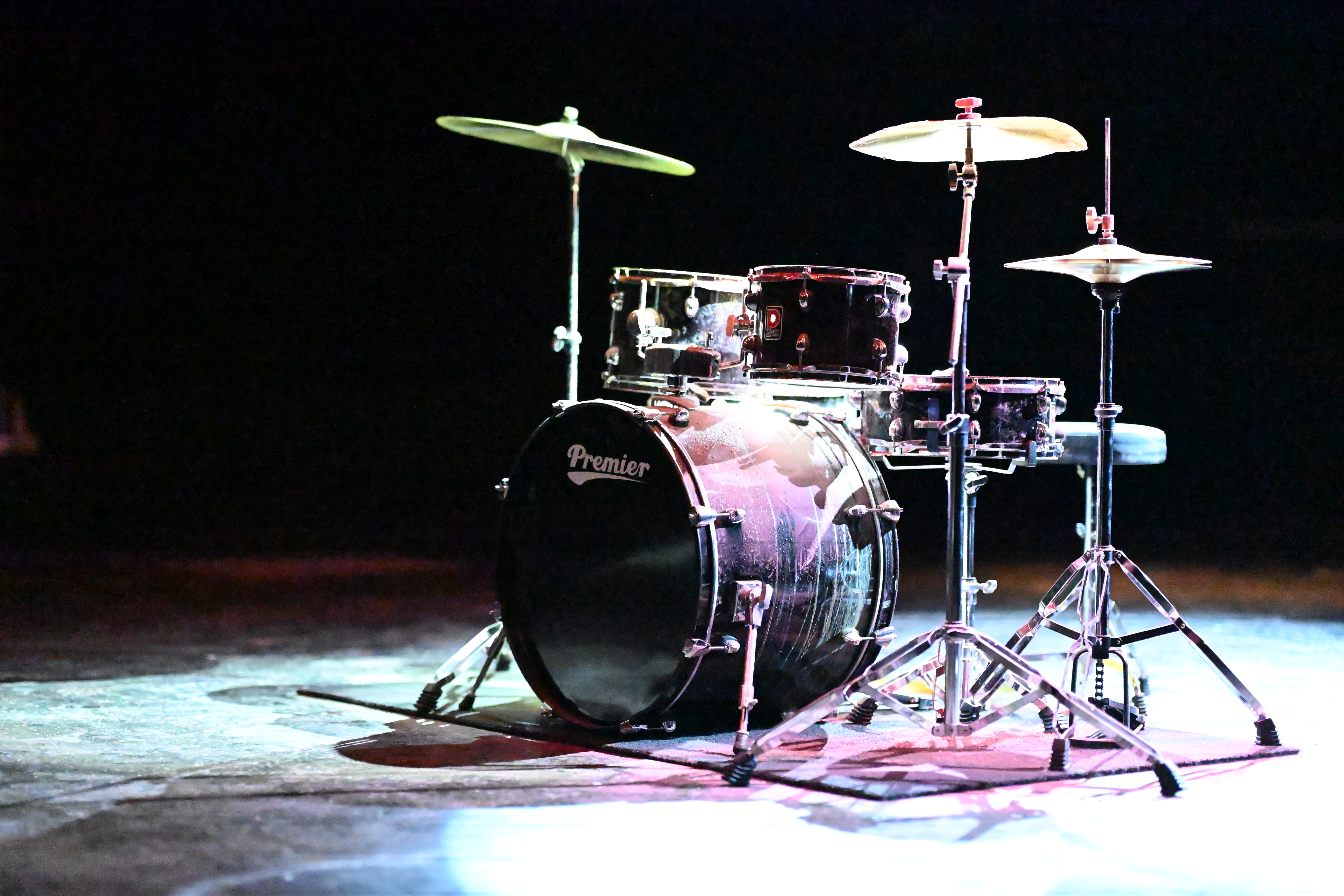
1/16000s · f/2.8 · ISO 5600
70mm
Download Original
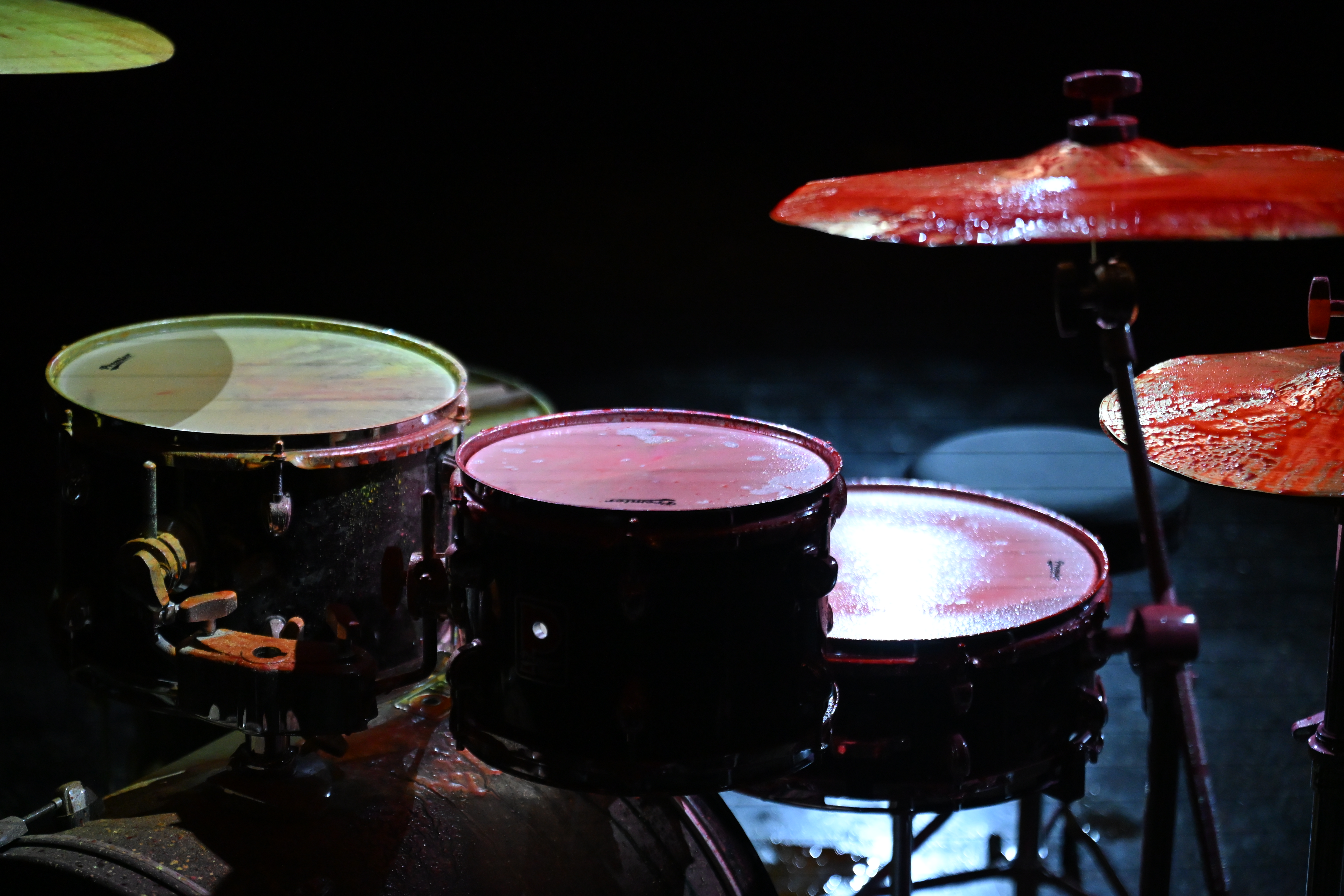
1/200s · f/4 · ISO 100
70mm
Download Original
1/200s · f/4 · ISO 100
70mm
Download Original
1/80s · f/4 · ISO 100
70mm
Download Original
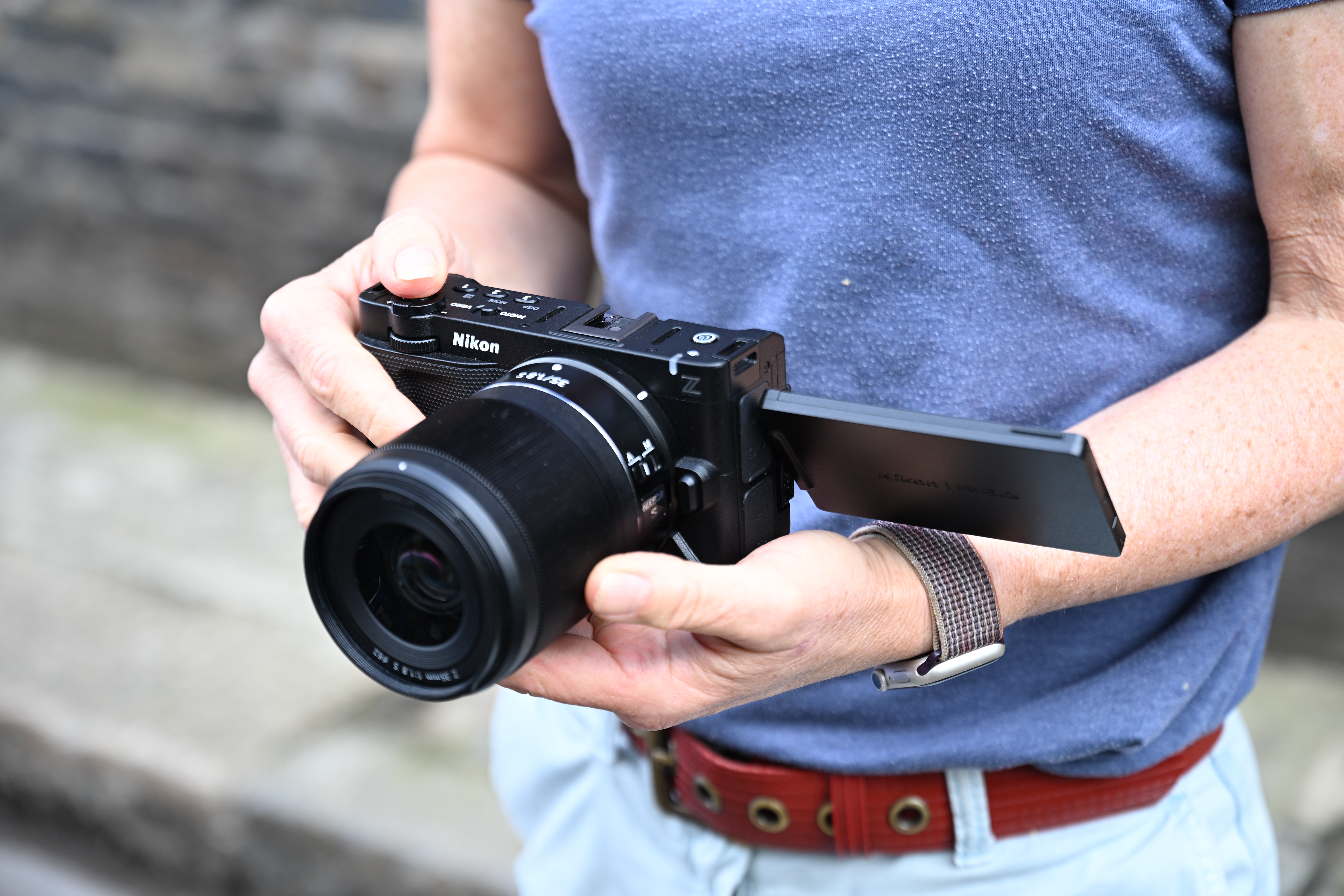
1/800s · f/5.6 · ISO 100
70mm
Download Original
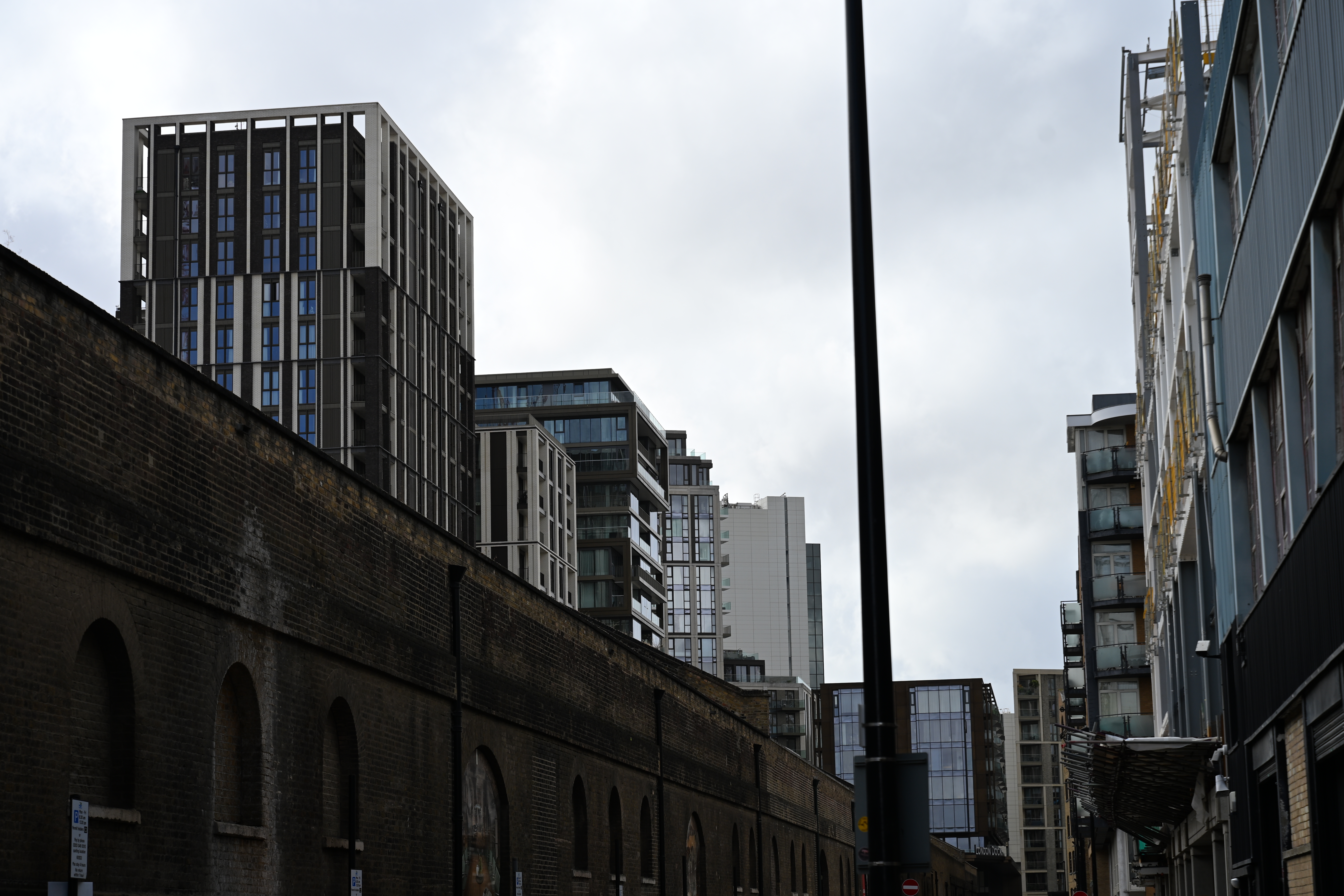
1/400s · f/5.6 · ISO 100
24mm
Download Original
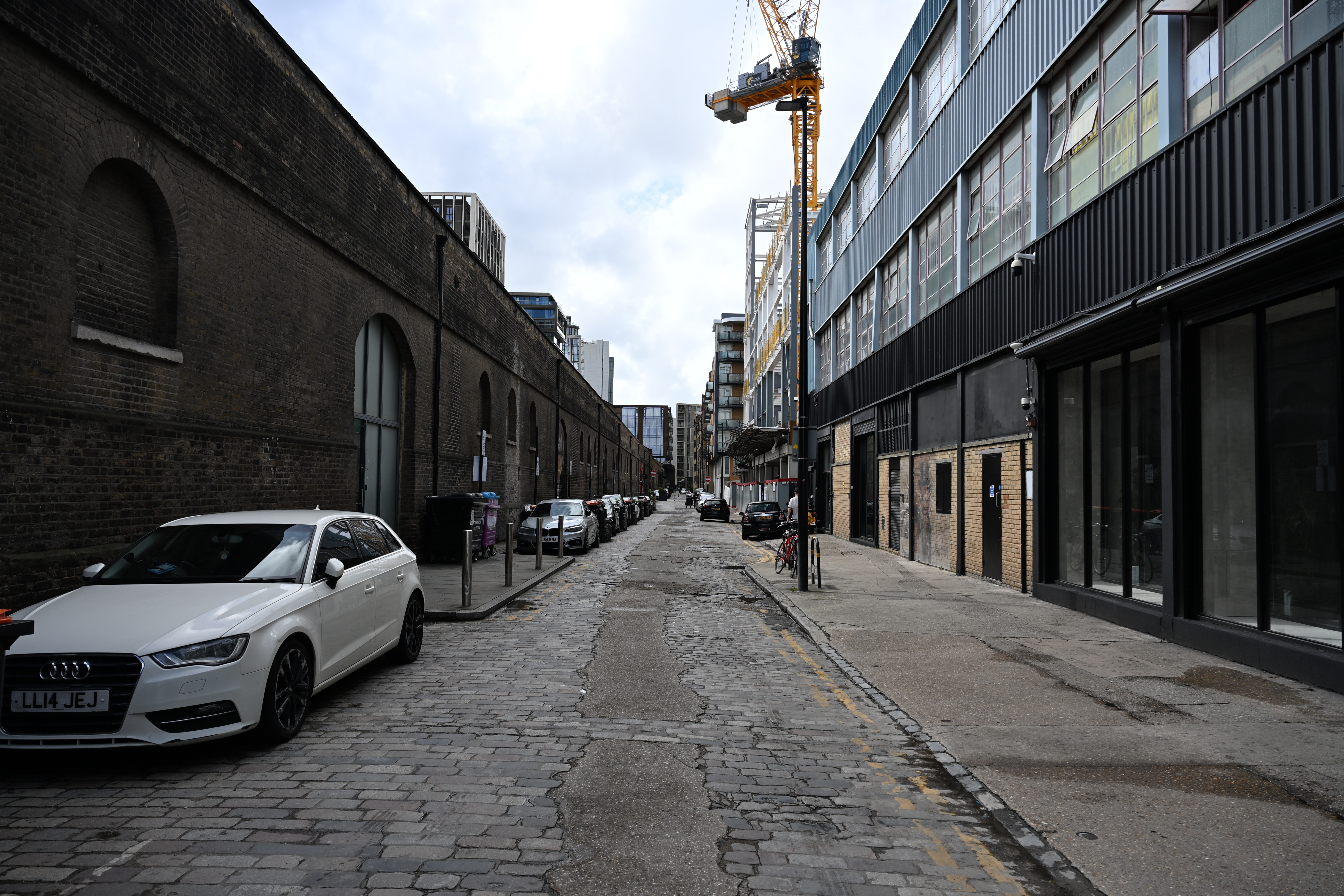
1/320s · f/5.6 · ISO 100
70mm
Download Original
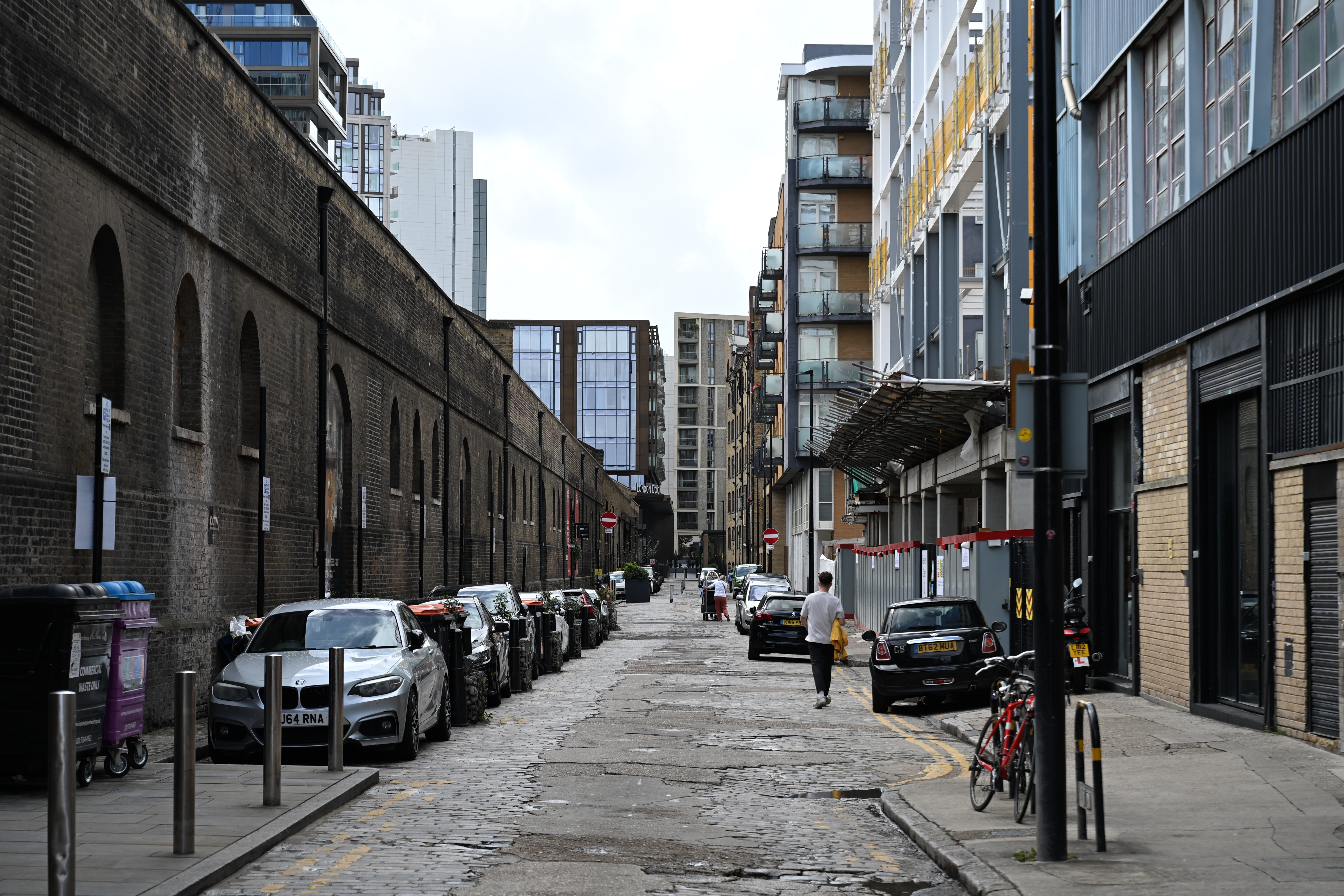
1/320s · f/5.6 · ISO 100
70mm
Download Original
1/80s · f/4 · ISO 400
78mm
Download Original

1/80s · f/4 · ISO 4500
78mm
Download Original

1/80s · f/4 · ISO 8000
77mm
Download Original

1/160s · f/4 · ISO 100
135mm
Download Original

1/160s · f/5.6 · ISO 450
135mm
Download Original

1/160s · f/4 · ISO 400
135mm
Download Original

1/125s · f/4 · ISO 100
67mm
Download Original

1/160s · f/4 · ISO 140
135mm
Download Original

1/160s · f/4 · ISO 140
135mm
Download Original

1/160s · f/8 · ISO 2500
135mm
Download Original

1/30s · f/8 · ISO 100
29mm
Download Original

1/160s · f/4 · ISO 160
135mm
Download Original

1/160s · f/6.3 · ISO 640
135mm
Download Original

1/30s · f/8 · ISO 110
28mm
Download Original

1/160s · f/8 · ISO 2800
135mm
Download Original

1/160s · f/4 · ISO 560
135mm
Download Original

1/200s · f/4 · ISO 100
135mm
Download Original

1/160s · f/4 · ISO 450
135mm
Download Original

1/100s · f/4 · ISO 100
28mm
Download Original

1/160s · f/4 · ISO 100
135mm
Download Original

1/160s · f/4 · ISO 28800
135mm
Download Original

Sample RAW Images
The Nikon ZR enables users to capture RAW and JPEG format files. We've provided some Nikon RAW (NEF) samples for you to download (thumbnail images shown below are not 100% representative).
1/16000s · f/1.4 · ISO 64000
85mm
Download original
1/16000s · f/2.8 · ISO 5600
70mm
Download original
1/200s · f/4 · ISO 100
70mm
Download original
1/200s · f/4 · ISO 100
70mm
Download original
1/80s · f/4 · ISO 100
70mm
Download original
1/800s · f/5.6 · ISO 100
70mm
Download original
1/400s · f/5.6 · ISO 100
24mm
Download original
1/320s · f/5.6 · ISO 100
70mm
Download original
1/320s · f/5.6 · ISO 100
70mm
Download original
1/80s · f/4 · ISO 400
78mm
Download original
1/80s · f/4 · ISO 4500
78mm
Download original
1/80s · f/4 · ISO 8000
77mm
Download original
1/160s · f/4 · ISO 100
135mm
Download original
1/160s · f/5.6 · ISO 450
135mm
Download original
1/160s · f/4 · ISO 400
135mm
Download original
1/125s · f/4 · ISO 100
67mm
Download original
1/160s · f/4 · ISO 140
135mm
Download original
1/160s · f/4 · ISO 140
135mm
Download original
1/160s · f/8 · ISO 2500
135mm
Download original
1/30s · f/8 · ISO 100
29mm
Download original
1/160s · f/4 · ISO 160
135mm
Download original
1/160s · f/6.3 · ISO 640
135mm
Download original
1/30s · f/8 · ISO 110
28mm
Download original
1/160s · f/8 · ISO 2800
135mm
Download original
1/160s · f/4 · ISO 560
135mm
Download original
1/200s · f/4 · ISO 100
135mm
Download original
1/160s · f/4 · ISO 450
135mm
Download original
1/100s · f/4 · ISO 100
28mm
Download original
1/160s · f/4 · ISO 100
135mm
Download original
1/160s · f/4 · ISO 28800
135mm
Download original
Sample Movies & Video
Product Images
Conclusion
Nikon have taken the excellent Z6 III and transformed it into a video-focused hybrid camera that's impressively even cheaper than its sibling model.
The new ZR makes perfect sense as a spin-off from the Z6 III, removing the superfluous EVF and mechanical shutter in favour of a massive LCD screen, RED video format and colour profiles and internal 32-bit audio.
It's perfectly usable in all weathers either straight of the box or rigged-up in a cage with your usual array of external accessories, and it's also just as capable as the Z6 III for stills if you don't mind the video-focused design.
We didn't run into any overheating issues despite the completely fanless design, which in turn facilitates the ground-breaking 32-bit audio and full weather-sealing, not to mention the small and compact design.
The choice of a more fragile micro HDMI port and a slow Micro SD card slot is perhaps pushing the size envelope too far - we'd have preferred to see full-size versions of both included - not forgetting that the hand-grip is also a little too svelte for its own good.
Those (small) niggles aside, though, the ZR gets an awful lot of things right considering that it's very much a first generation product, especially true given that Nikon have priced it at just £2199.99 / €2449.99 / $2199.99.
This aggressive price-tag makes it slightly more affordable than the Z6 III that it's clearly inspired by and perhaps more importantly much more affordable than any other comparable hybrid cine/photo camera that you'd care to think of.
Just as withe Z9 and Z8 hybrid mirrorless cameras, Nikon have certainly come out swinging with the new ZR Z Cinema camera, in our view hitting a home run that is hopefully just the first of many such models.
| Ratings (out of 5) | |
|---|---|
| Design | 4.5 |
| Features | 5 |
| Ease-of-use | 4.5 |
| Image quality | 5 |
| Value for money | 5 |
Main Rivals
Listed below are some of the rivals of the Nikon ZR.
Canon EOS C50
We've kicked off our review of the Canon EOS C50 cinema camera with an overview, product shots, sample images, specifications and more...
Canon EOS R6 Mark III
We've kicked off our review of the Canon EOS R6 Mark III full-frame mirrorless camera with an overview, product shots, sample images, specifications and more...
Panasonic Lumix S1 II
The Lumix S1 II is a high-end hybrid camera that can shoot 24 megapixel photos at 70fps and record C4K/4K 120p video. We've kicked off our Panasonic S1 II review with an overview and product shots...
Sony A7 V
Announced this week, the Sony Alpha A7 V is a brand new 33 megapixel, 4K/120p video, 30fps burst shooting, full-frame mirrorless camera designed to be a great all-rounder for both stills and video. Read our Sony A7 V review so far complete with sample images to find out what it's capable of...
Review Roundup
Reviews of the Nikon ZR from around the web.
digitalcameraworld.com »
Nikon's Z-line cameras have always been very video-capable, but the bodies have been designed first and foremost for shooting stills. The Nikon ZR essentially takes a Z6 III, lops off the viewfinder and mechanical shutter, and wraps it into a video-friendly shell. But there's more to it than that. The oversized 4-inch monitor is a delight to use, the in-camera 32-bit float audio is groundbreaking (and made practical due to the fanless design), but it's the implementation of the Red Color Science that makes it a true videographer's dream, and all at a price point that is hard to believe (in a good way).
Read the full review »
Specifications
- Camera Type Digital camera with support for interchangeable lenses
- Sensor Type 24.5 MP Full-Frame CMOS
- Sensor Size 35.9mm x 23.9mm
- Dynamic Range 15+ Stops
- Mount Type Z Mount
- Lens Compatibility Accepts FTZII Mount Adapter with F-mount lenses. Capable of supporting third-party lenses, however when using non-Nikon adapters with third-party lenses, some functions may not be supported.
- Battery Type EN-EL15c, Compatible with external V Mount batteries via USB-C
- Weight 1.19 lbs (Without battery and cards)
- Dimensions (LxWxD) 133mm × 80.5mm × 48.7mm
- Max Recording Time 125 minutes
- Media Primary CFexpress Type-B
- Media Secondary Micro SD (UHS-I)
- Monitor Size 4
- Monitor Color DCI-P3
- Monitor Type Vari-angle LCD
- Monitor Brightness 1000 cd/m^2
- I/O Power Data Type-C USB (USB 3.2)
- I/O External Monitoring Type-D HDMI
- I/O Audio Capture Line Input / Digital Hot Shoe
- I/O Audio Monitoring 3.5mm Headphone Jack
- I/O Digital Accessory Shoe hot-shoe with sync and data contacts
- I/O Tripod Socket 1/4 inch
- Codecs REDCODE RAW (R3D NE) / 12-bit
NIKON N-RAW / 12-bit
PRORES RAW HQ
PRORESS 422 HQ
H.265 / 10-bit / 8-bit
H.264 / 8-bit
- Audio Recording 32-bit float
24-bit
5 Audio Pickup Patterns via Nokia OZO Audio, (Available in H.265, H.264) - Log Profiles RED Log3G10 (R3D NE)
Nikon N-Log (N-RAW, PRORES RAW, PRORES 422, H.265) - ISO Sensitivity Dual Base ISO - RED Log3G10: 800 / 6400 (Dual Native ISO)
Dual Base ISO - Nikon N-Log: 800 / 6400 (Dual Native ISO) - Color Management Load up to 10 LUTs. Supports 17-point, 33-point, 65-point LUTs. Compatible with 24, 25, 30, 60p Frame Rates.
- Picture Controls Cloud Picture Controls by RED: CineBias, CineBias-T Cool Atmosphere, CineBias-C Crisp Teal Contrast, CineBias-CC Noir Vibes, CineBias-WC Grit & Glow, CineBias-TC Green Edge Experimental, CineBiasOffset, CineBias Achromic, CineBias BleachBypass.
- Autofocus 9 Autofocus Subject Detection Modes (People (eyes, face, head, upper body), Birds, Dogs, Cats, Cars, Motorcycles, Bicycles, Trains and Airplanes). Programable Autofocus Speed, Sensitivity and Position Recall
- In-Body image stabilization Nikon Vibration Reduction with 7.5 Stops
- Features Time-lapse video recording, electronic Vibration Reduction, time codes, REC lamp, N-Log and HDR (HLG) video, waveform display, red REC frame indicator, video recording display zoom (50%, 100%, 200%, and 400%), extended shutter speeds (modes S and M), and dual-format (proxy video) recording for RAW video; option to view video recording info available via i menu; breathing compensation, Hi-Res Zoom
- Camera To Cloud Compatible with Adobe Frame.io via Nikon NX MobileAir app.
Photographic Tech Specs
- Megapixels 24.5
- Exposure Modes Auto Programmed auto with flexible program (P) Shutter-priority auto (S) Aperture-priority auto (A) Manual (M)
- User Modes U1, U2, U3, and U4 (user setting mode)
- File Formats NEF (RAW): JPEG: HEIF: Supports RAW + Secondary Format Capture
- Shutter Speed Range Electronic shutter range: 1/16000 sec to 900 sec
- Release Mode Single frame, continuous low-speed, continuous highspeed, continuous high-speed (extended), high-speed frame capture + with Pre-Release Capture, self-timer
- Approximate Frame Advance Rate* Continuous low-speed: Approx. 1 – 7 fps
Continuous high-speed: Approx. 16 fps
Continuous high-speed (extended): Approx. 20 fps
High-speed frame capture + (C15): Approx. 15 fps
High-speed frame capture + (C30): Approx. 30 fps
High-speed frame capture + (C60): Approx. 60 fps
High-speed frame capture + (C120): Approx. 120 fps
* Maximum frame advance rate as measured by inhouse tests. - ISO Range ISO 100 to 64000
- White Balance Auto (3 types), natural light auto, direct sunlight, cloudy, shade, incandescent, fluorescent (3 types), flash, choose color temperature (2500–10,000 K), preset manual (up to 6 values can be stored), all with fine-tuning
- Picture Controls Flexible Picture Control, Rich Tone Portrait, Deep Tone Monchrome, Flat Monochrome, Storage for custom Picture Controls, Selected Picture Control can be modified, Vivid, Standard, Portrait, Neutral, Monochrome, Landscape, Flat, Creative Picture Controls (Dream, Morning, Pop, Sunday, Somber, Dramatic, Silence, Bleached, Melancholic, Pure, Denim, Toy, Sepia, Blue, Red, Pink, Charcoal, Graphite, Binary, Carbon), Auto, Storage for Cloud Picture Controls.
- Timelapse Mode Yes
- Wi-Fi Yes
- Bluetooth Yes
- Connectivity Nikon SnapBridge App.
- Camera to Cloud Nikon Imaging Cloud
Loading comments…